

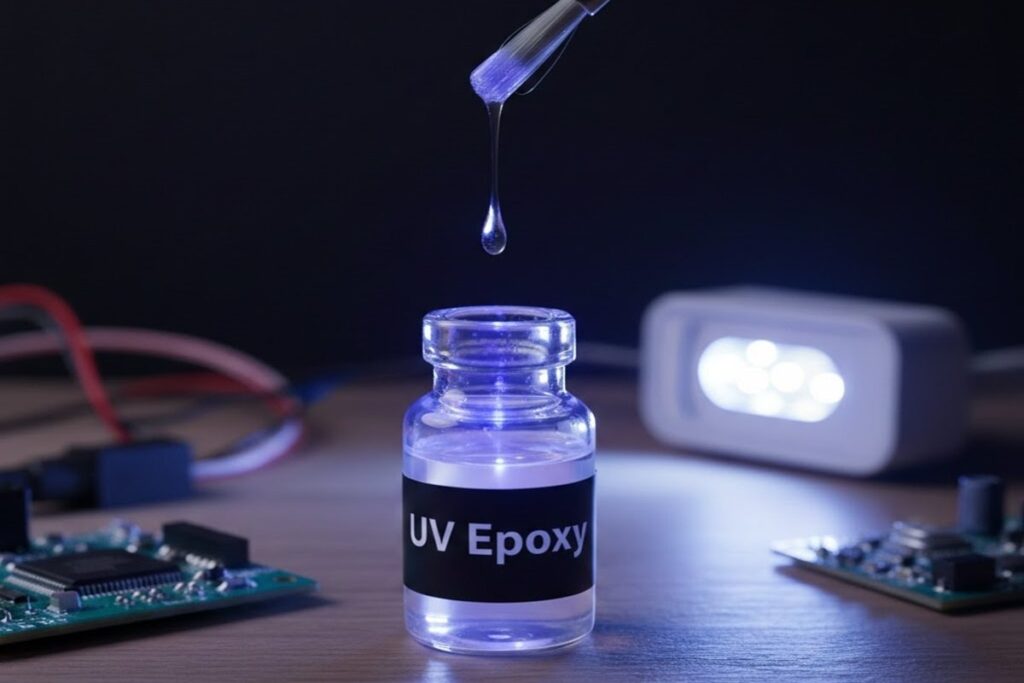
UV epoxy is a popular material for crafts, jewelry, and coatings because it cures quickly under ultraviolet light. This fast-curing property makes it convenient for detailed work and precise projects. However, uncured UV epoxy can pose risks to health if handled carelessly. Skin irritation, respiratory issues, and allergic reactions are common hazards for those who ignore safety precautions.
To prevent accidents, it is essential to follow proper safety practices when working with UV Epoxy. Using protective gear, proper storage, and correct handling methods ensures both safety and quality results. Beginners and professionals alike should prioritize these measures. Adopting simple precautions can make your workspace safer and your projects more successful.
Safety Tips You Should Know
Using UV epoxy safely requires a combination of protective equipment, workspace management, and responsible habits. Failing to follow precautions can lead to health issues or damage to your project. Each safety tip outlined below is designed to minimize risks while keeping work efficient. Consider following safety tips while using UV epoxy to ensure a professional and safe approach:
1. Wear Protective Gloves
Protective gloves are your first line of defense against skin irritation from uncured epoxy. Nitrile gloves are recommended because they resist chemical penetration better than latex. Gloves prevent direct contact and reduce the chance of allergic reactions. They also help when cleaning up sticky residues without spreading the resin.
Always change gloves if they are torn or contaminated. Damaged gloves can allow harmful substances to reach your skin. Wearing gloves consistently ensures safe handling throughout your project. They also provide confidence, letting you focus on precision work.
2. Use Eye Protection
Eye protection is essential because UV epoxy can irritate or damage the eyes if splashed. Safety goggles or face shields are recommended for all mixing and pouring activities. Clear, well-fitted goggles protect your vision while allowing precise work. Accidental contact with eyes can have serious consequences if not treated immediately.
In case of a splash, rinse eyes for at least 15 minutes with clean water and seek medical attention. Wearing eye protection prevents such accidents and reduces stress during work. Making this a standard habit improves safety for every project.
3. Work in Ventilated Area
UV epoxy emits fumes that can cause respiratory irritation when inhaled. Working in a well-ventilated area reduces the concentration of harmful vapors. Open windows, exhaust fans, or fume extractors can help maintain fresh air in your workspace. Proper ventilation ensures a safer environment while supporting better curing conditions for the epoxy.
Avoid enclosed spaces like small closets or rooms without airflow. Concentrated fumes increase health risks significantly. A ventilated area protects your lungs and allows longer work sessions without discomfort. Fresh air also keeps your workspace comfortable and safe.
4. Avoid Direct Skin Contact
Direct skin contact with uncured epoxy can trigger allergic reactions or irritation. Always use tools like spatulas, brushes, or applicators instead of your hands. Avoid touching your face or arms while working, as resin can transfer easily. If contact occurs, wash immediately with soap and water to prevent irritation.
Minimizing skin exposure reduces rashes and long-term sensitization risks. Being mindful of hand placement while working is a small but essential habit. Careful handling also prevents epoxy from sticking to clothing or other surfaces. Consistent precautions ensure safety without slowing your workflow.
5. Store UV Epoxy Properly
Proper storage is crucial to maintain UV epoxy quality and prevent accidents. Keep containers tightly sealed, in a cool and dry place, away from sunlight or heat sources. Exposure to sunlight can prematurely cure the resin inside, rendering it useless for your projects. Proper labeling helps prevent accidental misuse or confusion with other substances.
Safe storage also keeps epoxy out of reach of children and pets. Organized storage ensures you can quickly access materials when needed. By following these practices, you extend the shelf life of your epoxy and reduce the risk of workplace accidents. Consistency in storage habits is key for long-term safety.
6. Avoid Ingesting or Inhaling
UV epoxy should never be ingested or inhaled, as it can cause severe health problems. Avoid eating, drinking, or smoking in your workspace to prevent accidental ingestion. Fumes can irritate your lungs if inhaled over time, so consider wearing a respirator in poorly ventilated areas. Awareness of these risks helps protect overall health.
Using proper protective equipment reduces exposure and long-term risks. Educating yourself about the hazards ensures responsible handling at all times. These precautions allow you to work confidently without compromising safety. Regular vigilance keeps health concerns to a minimum.
7. Dispose of Waste Correctly
Epoxy waste must never be poured down the drain or thrown into regular trash. Let leftover resin cure fully before disposal to minimize environmental hazards. Follow local regulations for chemical waste to ensure safe and legal disposal. Proper methods prevent contamination of water sources and soil.
Curing small amounts of leftover epoxy before disposal is a simple and eco-friendly method. Wearing gloves during disposal protects your skin from contact. Responsible waste management is part of safe epoxy practice. It also demonstrates respect for both your workspace and the environment.
8. Clean Tools Carefully
Cleaning tools immediately after use prevents hardened epoxy buildup. Use isopropyl alcohol or other recommended solvents to remove residue. Wear gloves during cleaning to avoid skin contact with leftover chemicals. Cleaning in a ventilated area ensures you are not exposed to harmful fumes while maintaining tools.
Regular cleaning also extends the lifespan of brushes, spatulas, and containers. Well-maintained tools contribute to better results and safer working conditions. Efficient cleanup reduces frustration and accidental spills. Adopting this habit improves both safety and productivity.
9. Handle Spills Promptly
Spills must be cleaned immediately to prevent accidents and resin spread. Use absorbent materials, like paper towels, to wipe up spills. Follow with soap and water to ensure complete removal of residue. Acting quickly reduces the risk of skin contact or slip hazards in your workspace.
Avoid touching spills with bare hands and isolate the area until cleaned. Prompt attention keeps your environment organized and safe. Knowing how to handle spills also builds confidence when working with larger projects. Quick cleanup is a simple yet essential safety measure.
10. Learn Continuously
Continuous learning helps you stay updated on safety practices and new product instructions. Read manufacturer guidelines, watch tutorials, and attend workshops. Understanding chemical properties, curing methods, and handling precautions reduces mistakes. Knowledge empowers safer and more effective project completion.
Even experienced users benefit from regular updates. Adapting to new techniques ensures long-term safety and improved results. Staying informed builds confidence and reduces potential hazards. Lifelong learning is one of the best safety strategies available.
Perfect Place to Get It
For high-quality UV epoxy, Pacific Adhesive Systems (PAS) is a trusted adhesive supplier. It offers resins, curing tools, and accessories that meet strict safety and performance standards. Their products are suitable for both hobbyists and professionals, providing reliable results every time. Customers also benefit from detailed usage instructions and expert guidance with each purchase.
As a leading Adhesive Supplier Malaysia, It specializes in safe, high-performance adhesive products, including UV epoxy. Choosing PAS ensures your projects are both successful and secure, with consistent quality you can trust. With reliable supplies and professional support, your workspace stays safe, and your results remain top-notch.
Conclusion
Working with UV epoxy can be creative and rewarding when proper safety measures are followed. Wearing gloves, using eye protection, working in ventilated areas, and careful handling reduce health risks significantly. Proper storage, disposal, and continuous learning reinforce these practices for long-term safety.
Sourcing materials from reputable suppliers like Pacific Adhesive Systems (PAS) ensures quality and guidance. Following these tips makes your workspace safer, your projects more successful, and your overall experience more enjoyable. Prioritizing safety is the key to working confidently with UV epoxy.
