

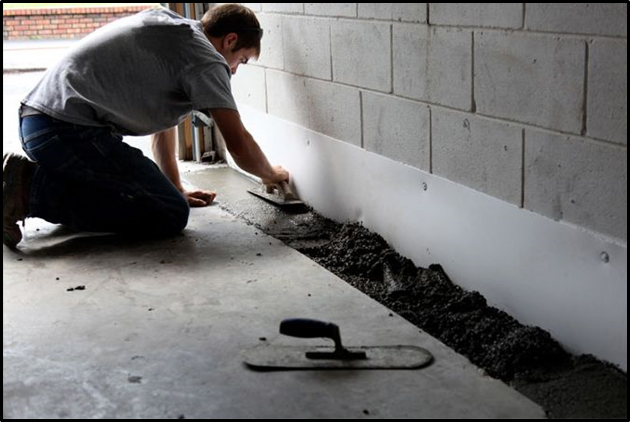
Water is essential for life, but inside a building, it can quickly become one of the most destructive forces. From slow seepage to sudden leaks, water damage weakens structures, spoils interiors, encourages mold growth, and leads to expensive repairs. Preventing these problems starts with understanding the risks and acting before damage spirals out of control. That is where choosing the best waterproofing solution becomes crucial, especially in regions with harsh weather, high humidity, aging infrastructure, or rapidly expanding urban development. With the right approach, you can protect roofs, basements, foundations, and interiors, ensuring long-lasting safety, durability, and peace of mind.
Why Water Damage Happens More Often Than You Think
Water damage rarely happens overnight. In most cases, it begins quietly, tiny cracks in walls, hairline fractures in roofs, gaps in window frames, improper drainage, or poor construction practices. Over time, moisture creeps in, causing damp patches, musty odors, bubbling paint, and eventually structural decay. In extreme conditions, water can also introduce health hazards due to mold spores and poor indoor air quality.
Ignoring early warning signs makes matters worse. What begins as a minor stain may develop into structural instability, electrical risks, and costly renovations. Waterproofing is not just a repair approach; it is preventive protection, ensuring your home or commercial building remains strong, safe, and comfortable.
Common Water Damage Risks
1. Roof Leaks and Surface Cracks
Roofs endure direct exposure to sunlight, rain, wind, and temperature fluctuations. Over time, this constant stress leads to cracks, material deterioration, and stagnant rainwater. Without proper treatment, moisture seeps into ceilings and upper walls, causing peeling paint, ceiling stains, and structural fatigue.
2. Exterior Wall Damage
Exterior walls face weather, humidity, dust, and pollutants throughout the year. Even small cracks become entry points for water. Repeated exposure weakens plaster, erodes paint, and leads to seepage into interior areas. Poor construction or low-quality finishes worsen the issue.
3. Interior Dampness and Mold Growth
Interior walls often suffer due to seepage from adjoining bathrooms, kitchens, or exterior walls. Dampness invites mold and mildew, which not only damages paint and finishes but also poses respiratory risks. Persistent moisture can even weaken internal structural components over time.
4. Foundation & Basement Moisture
The foundation is the backbone of any structure. When groundwater or rainwater accumulates around foundations, it penetrates through microscopic gaps. This leads to cracks, weakened strength, and long-term instability. Basement dampness is also a common result, bringing both aesthetic and health concerns.
5. Plumbing Leaks
Hidden pipe leaks or faulty plumbing fittings slowly release water into walls and floors. These are often unnoticed until severe staining or structural swelling appears. Regular inspection and waterproof reinforcement can prevent major deterioration.
How Waterproofing Protects Your Property
Strengthens Structural Integrity
Waterproofing creates a strong protective barrier that stops moisture from penetrating building materials. This helps prevent cracks, corrosion, and weakening of structural components, ultimately extending the lifespan of roofs, foundations, and walls.
Prevents Health Issues
Unchecked moisture leads to mold, mildew, and harmful bacterial growth, which can seriously affect health. Waterproofing keeps indoor spaces dry, reduces dampness, and helps maintain cleaner air quality, protecting residents from allergies and breathing problems.
Reduces Repair and Maintenance Costs
Instead of repeatedly fixing surface-level damage like peeling paint or damp patches, waterproofing tackles the real cause of water intrusion. This proactive approach prevents frequent repairs and saves homeowners and businesses from costly long-term restoration.
Improves Comfort and Aesthetics
A well-waterproofed property ensures dry, clean, and crack-free interiors that feel healthier and more comfortable to live in. It also preserves the visual appeal of walls, ceilings, and floors, keeping spaces fresh and attractive for longer.
Key Waterproofing Solutions That Work
Roof Waterproofing
Using specialized membranes, protective coatings, and sealing systems helps roofs withstand extreme heat, rain, and environmental stress. This prevents leakage, cracking, and water pooling while improving roof durability.
Wall Waterproofing
High-performance wall coatings and sealants block moisture from penetrating exterior and interior surfaces. These flexible solutions adapt to weather changes and building movements, ensuring long-term wall protection.
Foundation and Basement Protection
Advanced barrier layers, drainage systems, and sealing treatments keep groundwater from entering basements and foundations. This ensures structural stability and prevents long-term deterioration.
Bathroom, Kitchen & Wet Area Protection
Targeted waterproofing solutions in constantly wet areas like bathrooms and kitchens prevent leakage into nearby walls and floors. This keeps interiors hygienic, prevents dampness, and reduces long-term damage.
The Role of Climate, Urban Design, and Maintenance
Environmental conditions significantly influence water risks. For instance, Middle Eastern climates experience heat, humidity fluctuations, and occasional heavy rain bursts. Buildings with complex designs, rooftop equipment, and dense urban surroundings face greater exposure. Midway through any discussion on water defense strategies, it’s also important to recognize how roofing in Dubai has evolved to include advanced materials, better drainage concepts, and durable protective systems that improve long-term building performance in such demanding environments.
Equally important is regular inspection. Annual waterproofing assessments, timely repair of cracks, and professional guidance help prevent surprise leaks and costly structural failures. Preventive care is always smarter than reactive repair.
Maintenance Tips to Avoid Water Damage
- Inspect roofs and terraces before monsoon or seasonal weather changes
- Repair visible cracks immediately instead of concealing them with paint
- Maintain drainage systems to prevent water accumulation
- Get professional waterproofing evaluations periodically
- Avoid temporary fixes; invest in durable long-term solutions
Conclusion
Water damage does not just threaten appearances; it compromises safety, health, and property value. From roofs and walls to foundations and interiors, every part of a building deserves protection. Effective waterproofing delivers confidence, security, and peace of mind by stopping problems before they begin. It supports structural stability, reduces maintenance burden, and keeps living or working spaces fresh, dry, and long-lasting.
In the broader context of building care and enhancement, reliable waterproofing plays a meaningful role alongside modern construction, renovation, and interior enhancement services. Companies like OFIXO emphasize thoughtful planning, quality execution, and long-term durability across projects, ensuring every space is functional, resilient, and future-ready. Whether it’s safeguarding structural health or supporting comprehensive Dubai fit out requirements, attention to detail and technical expertise help properties remain protected, comfortable, and sustainable for years to come.
