

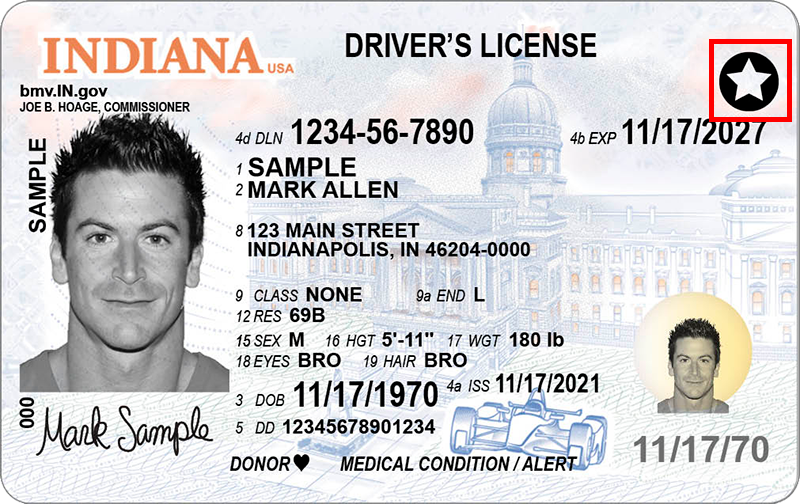
Most young people imagine fake ID use as a small, victimless offense. They think of the fake ID itself as the entire crime—just a plastic card, a website purchase, a moment of risk at the entrance of a bar or club. What they do not realize is that behind every counterfeit ID lies an entire ecosystem of criminal activity that law enforcement has been studying for years. Fake ID rings are not minor operations; they are deeply woven into networks of fraud, trafficking, money laundering, identity theft, and organized digital crime.
Because of this, the law enforcement apparatus surrounding fake IDs is far more extensive, sophisticated, and proactive than most people imagine. Investigating counterfeit identification is not something that happens only when a bouncer confiscates a card or when an underage buyer gets caught. These investigations are ongoing, quiet, and strategic. Federal agencies, postal inspectors, cybercrime units, and state investigators monitor online vendors, track suspicious shipments, and follow digital trails with forensic precision.
Fake ID users—especially teenagers—rarely consider the possibility that they are part of a much larger investigation, one that began long before they purchased the counterfeit and may continue long after. They fail to recognize that many websites carrying names like IDGod, or appearing to mimic that brand, are already under active surveillance or investigation.
Understanding how law enforcement approaches fake IDs requires stepping into a world where every digital trace, every intercepted package, every communication, and every anonymous payment becomes a clue. It is a world where the excitement of a fake ID is overshadowed by the quiet machinery of an investigative process designed to protect society from the much larger crimes connected to identity fraud.
The Starting Point: Fake ID Operations Are Never Small in the Eyes of Investigators
To the individual buyer, a fake ID may seem trivial. But to law enforcement, a fake ID is rarely an isolated object. It is almost always part of a larger chain—one that often leads to organized crime.
Investigators understand that fake ID vendors do not simply produce counterfeit cards. They often run multiple criminal operations simultaneously. The same networks involved in fake ID manufacturing have been linked to:
identity theft schemes that steal data from millions,
money laundering systems that move funds across borders,
fraudulent credit card operations,
illegal immigration facilitation,
drug trafficking distribution routes,
and black-market networks using forged identities to commit crimes.
This is why fake ID investigations are never limited to local police stopping a teenager at a bar. They extend into federal agencies such as Homeland Security Investigations, the Secret Service (which handles identity-related crimes), the U.S. Postal Inspection Service, and state-level bureaus that monitor licensing and public safety.
Authorities view fake IDs not as toys used by underage drinkers but as tools enabling far more dangerous criminal activity. Teenagers who buy counterfeit IDs from websites using names like IDGod rarely realize the scope of operations they are interacting with—or how intensely such operations are studied.
The Digital Surveillance: Every Click Leaves a Shadow
The modern fake ID marketplace lives almost entirely online. Vendors create websites that look polished and professional to attract young buyers. But these same websites are often monitored, whether publicly or quietly. Law enforcement agencies use web analysis tools to track:
domain ownership changes,
server locations,
data patterns,
visitor behaviors,
cryptocurrency payment addresses,
and the broader network structure of counterfeit sites.
Even the simple act of visiting a fake ID website contributes to digital evidence. The site logs the visitor’s device fingerprint, browser information, and IP address, even if a VPN is used. Many fake ID websites—especially those spoofing the IDGod name—embed tracking scripts or cookies that store user data. Criminals keep these records for their own purposes, but investigators also learn to recognize the fingerprints of these platforms.
When buyers contact vendors through email or encrypted messaging platforms, they create additional trails. Encryption protects messages from outsiders, but it does not hide metadata: device type, timestamps, login history, or account associations. Investigators know that metadata often reveals more than the content itself.
Even when buyers believe they are using secure methods, their actions leave traces across servers, apps, and networks. Law enforcement agencies collect these traces and map them into larger patterns, helping them understand who runs the counterfeit operation, how money is moved, and how identities are harvested.
Controlled Deliveries: When the Package Never Really Belongs to You
One of the most powerful and least understood investigative techniques in fake ID cases is the controlled delivery. This process occurs when a suspicious package is intercepted by customs or postal inspectors, but instead of confiscating it immediately, investigators allow it to continue its journey to the recipient.
To the buyer, nothing seems unusual. The tracking number progresses normally. The package arrives at their mailbox or doorstep. But what has changed is that law enforcement now knows exactly who the recipient is, where they live, and what they attempted to import.
Many young buyers believe they are too insignificant to justify this level of attention. But investigators do not need a reason based on the buyer. Their interest lies in the sender—the larger criminal organization. Controlled deliveries help them map distribution routes, identify repeating customers (who may be connected to larger rings), and gather evidence of the vendor’s legitimacy or fraud.
Fake ID users often panic when they receive a seizure notice, but those who receive the package without knowing it was controlled are in an even more precarious position. Investigators may visit weeks or months later, using the controlled delivery as evidence in a broader case.
Shipments Under Scrutiny: Why Packages Are Monitored More Closely Than Buyers Think
Fake ID shipments typically pass through international mail systems, which gives customs officers and postal inspectors significant authority to search, scan, and detain packages. Many counterfeit IDs are shipped from overseas manufacturing hubs, packaged discreetly inside toys, electronics, books, or other items designed to hide their contents.
Investigators have seen these strategies thousands of times. They know how fake IDs are commonly packaged. They know which materials are used, which shipping routes are popular, which vendors rely on which carriers, and how certain criminal operations attempt to disguise their shipments.
A teenager may think they are ordering from a harmless site like IDGod because the name is well known online. Inspectors, however, may recognize the packaging, the return address, or the shipping pattern from previous seizures. What looks anonymous to the buyer is often immediately recognizable to trained investigators. Each intercepted package becomes part of a database that grows more sophisticated every year.
Undercover Investigations: When Law Enforcement Becomes a Customer
In the world of fake ID investigations, undercover work is a cornerstone strategy. Agents pose as buyers, order counterfeit IDs, join online fake ID communities, and collect evidence on vendor operations. They might ask questions in forums, track responses on social media, and study the customer service behavior of the seller.
This strategy is particularly effective in digital environments where teenagers exchange tips about “reliable” vendors. Investigators quietly observe these conversations, sometimes participating, sometimes simply collecting information. The goal is not to arrest every teenage buyer. It is to identify the supply chain.
Undercover agents also maintain long-term contact with vendors, tracking changes in production methods, payment systems, and distribution techniques. These operations can last months or years. When an arrest finally occurs, the evidence is often extensive.
Many buyers are unaware that the same vendor they are messaging could have ongoing correspondence with an undercover agent simultaneously. The vendor does not care who they are selling to; they simply want payment. The agent, however, collects every trace of communication, every detail of the process, and every aspect of the criminal structure.
Digital Forensics: Following the Invisible Threads
Technology has fundamentally reshaped law enforcement, giving investigators new ways to track digital crimes. In fake ID investigations, digital forensics specialists analyze:
server logs from counterfeit websites,
payment histories on blockchain networks,
shipping data from international mail systems,
device fingerprints embedded in images or messages,
and even tiny artifacts left behind by printers and production equipment.
Even if a buyer uses cryptocurrency to pay for a fake ID, the blockchain permanently records the transaction. Investigators can follow wallet addresses, trace money through exchanges, and identify patterns that lead to the vendor and sometimes the buyers themselves.
When fake ID websites store photos, the metadata attached to those images—such as time, device model, or GPS location—can be extracted by forensic experts. Even a compressed or edited photo may contain remnants of its original metadata. Few young buyers understand how much personal information is hidden inside the files they upload.
Digital forensics transforms seemingly anonymous actions into interconnected clues. When investigators gather these clues, the web of evidence grows clearer.
Interagency Cooperation: How Large Fake ID Rings Are Taken Down
Fake ID operations rarely fall under the jurisdiction of a single agency. They require cooperation between:
federal law enforcement,
state authorities,
international partners,
cybercrime task forces,
and postal inspection units.
This cooperation allows agencies to share intelligence about vendors, track global shipments, and identify patterns across multiple jurisdictions. When a major fake ID ring is targeted, the investigation may involve dozens of specialists—from cyber forensic analysts to customs officers to undercover agents.
These operations move slowly by design. They are not concerned with punishing individual buyers but with dismantling the criminal infrastructure itself. When young buyers purchase counterfeit IDs, they unknowingly contribute data that helps investigators map the network—names, addresses, payment information, and communication logs that point back to the vendors.
In this sense, teen buyers become accidental participants in much larger investigations, without realizing they have been added to a file.
The Quiet Knock on the Door: When the Investigation Reaches the Buyer
Although fake ID investigations primarily target vendors, buyers are not immune to consequences. Sometimes law enforcement visits a home months after a fake ID purchase. The visit may be brief—a warning, a confiscation, a discussion with parents—but for some, it becomes a serious legal matter.
These interactions are traumatizing for young people who believed they were invincible. The shock of being connected to an investigation they never imagined can linger for years. Even when charges are avoided, the experience becomes a crucial moment of reckoning.
The psychological impact is profound. Many young adults describe the sudden realization that they were not invisible—that their online actions had real-life consequences. Law enforcement rarely needs to arrest every buyer; the warning itself becomes a powerful deterrent. But in cases involving repeated purchases, suspicious activity, or connections to other crimes, consequences become significantly more severe.
Conclusion: Law Enforcement Sees the Whole Picture—Even When Buyers Do Not
Fake ID buyers often imagine themselves as small actors in a harmless game. They believe their purchase is just a single transaction, unnoticed and insignificant. They assume vendors like IDGod—or the many scams impersonating that brand—are too clever or too distant to be traced. They assume anonymity where none exists.
But law enforcement does not view fake IDs as isolated objects. They see a chain. They see a network. They see every website visit, every package label, every payment, every metadata trail, every intercepted shipment, and every connection between vendors and buyers.
The real risk of fake ID use does not lie at the door of a bar—it lies in the quiet, patient investigations unfolding behind the scenes, studies that follow digital footprints across borders and through time.
Fake IDs are not just counterfeit cards.
They are evidence.
And evidence has a long memory.
