

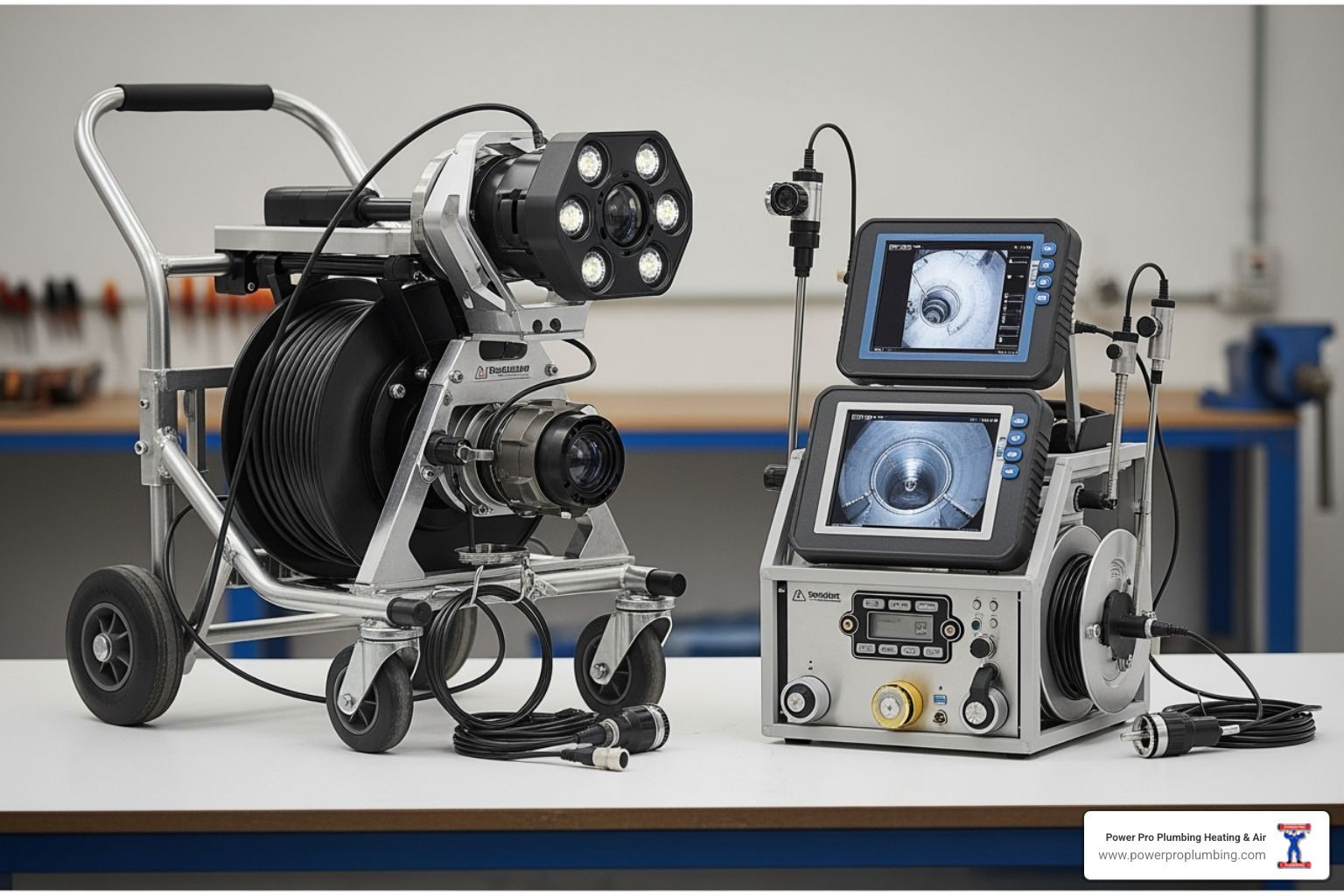
Sewer inspection cameras are now very important for plumbers, contractors, and repair workers who need to get a clear view of what’s inside pipes and drains. Choosing the right system is not only about price but about performance, durability, and ease of use in real-world conditions. Understanding the key features that matter can help ensure reliable inspections, faster diagnostics, and better long-term value.
High Resolution Camera Quality
One of the most important features in a sewer inspection camera is image clarity. Pipes are dark, narrow, and often filled with debris, making a high-resolution camera critical. A clear image allows operators to identify cracks, root intrusion, blockages, corrosion, and joint separation with confidence. Cameras with strong resolution reduce guesswork and prevent unnecessary excavation or repair work.
Color accuracy also plays a role. A camera that delivers true color images makes it easier to distinguish between grease buildup, rust, tree roots, and standing water. This level of detail improves reporting and helps technicians explain findings to clients.
Versatility Across Applications
A good sewer inspection camera should work across various pipe materials and sizes. Whether inspecting residential drains, commercial sewer lines, or industrial piping, versatility increases the return on investment. Systems designed for compatibility with different accessories and extensions offer greater flexibility over time.
People often seek out tools like a Sewer Snake Camera because it is easy to move around and can give very clear pictures of what it is inspecting.
Durable and Waterproof Camera Head
Sewer environments are harsh, so durability is non-negotiable. The camera head should be built with tough materials that can withstand impact, abrasion, and chemical exposure. Waterproof protection is essential since inspections often involve fully submerged conditions. A well-sealed camera ensures consistent performance and prevents internal damage over time.
A compact camera head is also valuable. Smaller diameters allow access to tight bends and narrow pipes, expanding the range of applications without sacrificing image quality.
Effective LED Lighting System
Lighting directly affects what the camera can see. Integrated LED lights around the camera lens are necessary to illuminate dark pipes evenly. Adjustable brightness is especially useful when inspecting reflective surfaces or heavily soiled areas.
Good lighting helps reduce glare while still providing enough visibility to see fine details. Without proper illumination, even the best camera sensor will struggle to deliver useful results.
Strong and Flexible Push Rod
The push rod, often called the cable, determines how far and how smoothly the camera can travel inside the pipe. A quality push rod should balance stiffness and flexibility. Too stiff and it cannot navigate bends. Too flexible, and it becomes difficult to advance through longer runs.
Length also matters. Depending on the job, users may need to inspect short residential drains or long commercial sewer lines. A reliable push rod ensures steady control and reduces the risk of twisting or damage during use.
User-Friendly Monitor and Controls
A clear and responsive monitor makes inspections more efficient. The screen should be bright enough to view outdoors and large enough to display details without strain. Simple controls allow operators to adjust brightness, zoom, or capture images quickly while focusing on the inspection.
Recording and image capture features add professional value. Saving photos or videos helps document findings, create reports, and support repair recommendations. This is especially useful for insurance claims or property inspections.
Battery Life and Portability
Sewer inspections often happen in locations without easy access to power. A long-lasting battery allows uninterrupted work throughout the day. Portable systems with lightweight designs are easier to transport and set up on job sites, reducing fatigue and improving productivity.
Quick charging options are also beneficial for professionals who perform multiple inspections daily.
Conclusion
The right sewer inspection camera is defined by a combination of image quality, durability, lighting, cable performance, and ease of use. Investing in these key features leads to more accurate diagnostics, faster job completion, and greater customer trust. By focusing on what truly matters, professionals can select a system that performs reliably in demanding sewer inspection environments.
