

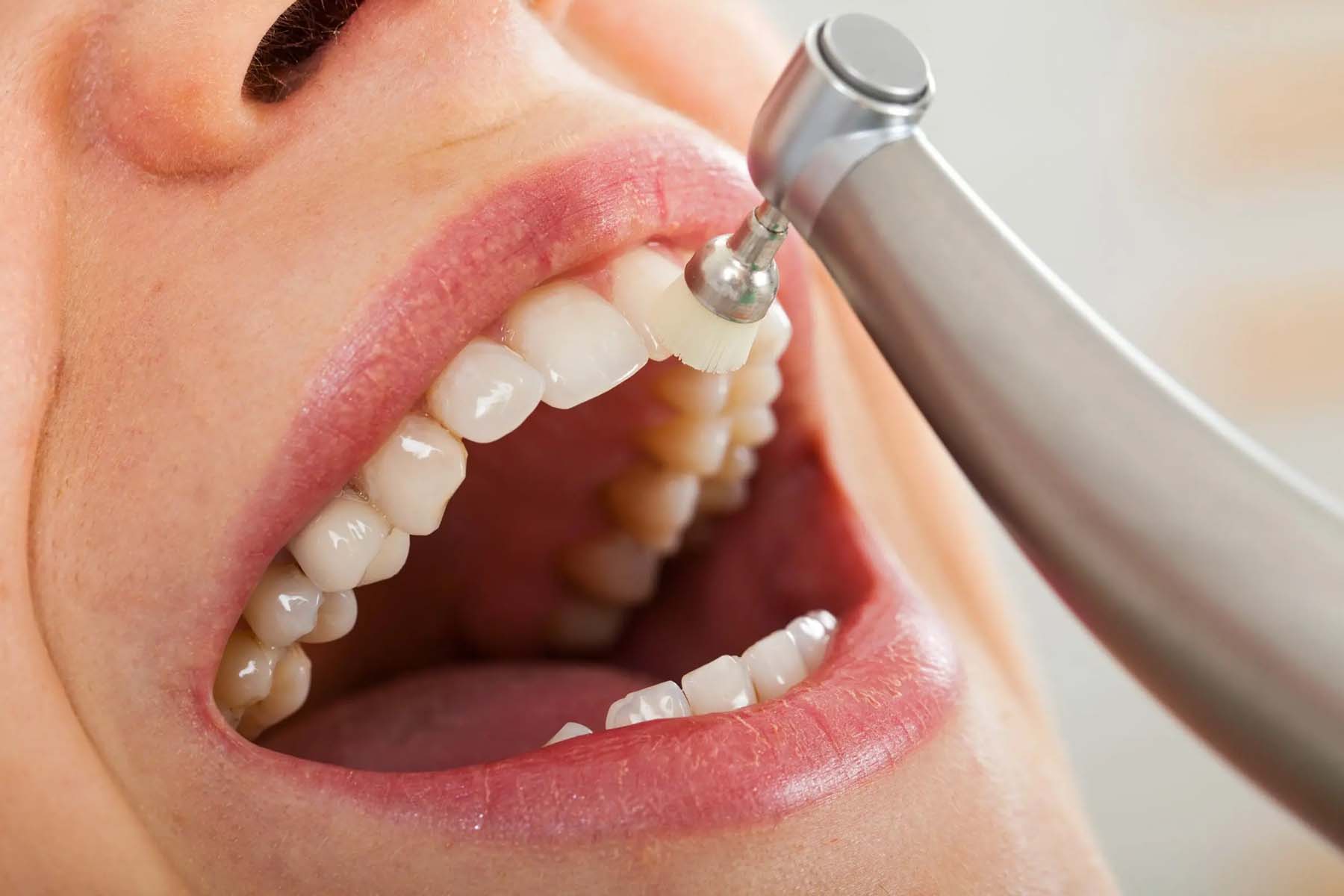
You brush, you floss when you can, and then one day the mirror catches a little more yellow than you expected. That moment sticks with you. You start wondering if whitening is worth it, whether it will work, and if you should do it before or after your next cleaning. The timing matters more than most people think. If you are considering brighter teeth, pairing whitening with regular cleanings often gives you better results, fewer surprises, and a smoother experience overall. Many patients looking for family cosmetic dentistry in Lakewood Ranch find that combining these treatments helps them achieve a cleaner, brighter smile more effectively.
For many patients, the smartest plan is simple. Get your teeth professionally cleaned, make sure your mouth is healthy, and then move forward with whitening. That order helps remove surface buildup, gives your dentist a clearer view of stains and gum health, and makes your whitening treatment more precise. When you work with a Family And Cosmetic Dentist, you are not guessing what your teeth need. You are building a plan that fits your enamel, your sensitivity level, and your goals.
Routine dental cleanings create a cleaner surface for whitening to work
Whitening products do not magically cut through every layer of buildup. If plaque, tartar, and surface stains are sitting on your teeth, the whitening agent may not contact enamel evenly. That can leave you with patchy results or a shade change that looks less dramatic than you hoped for. A cleaning removes the debris that blocks treatment from doing its job.
This is one of the clearest benefits of coordinating whitening with routine dental cleanings. Your teeth start from a cleaner baseline, so the whitening process is working on the tooth surface rather than fighting through residue from coffee, tea, red wine, or tobacco. According to an overview from the National Library of Medicine on tooth discoloration, stains can come from both external and internal sources, which is why a professional evaluation matters before choosing any whitening approach.
You also get a more honest sense of your natural tooth shade after a cleaning. What looked like deep discoloration may be partly surface stain. That can change the type of whitening recommended and save you from paying for more treatment than you need.
A dental exam before whitening helps catch problems that can make treatment uncomfortable
Whitening sounds simple until there is an untreated cavity, exposed root surface, worn enamel, or gum irritation. Then a cosmetic step becomes an uncomfortable one. Cleanings usually include an exam, and that exam can catch issues that should be handled first. If your teeth already react to cold drinks, whitening on top of that sensitivity can be rough.
A review in StatPearls on tooth whitening explains that whitening materials are effective, but patient selection and oral health status matter. That is not just clinical language. It means your results depend on whether your mouth is ready for treatment.
This is where a lot of people feel frustrated. You finally decide to do something for yourself, and then you hear that a filling or gum issue needs attention first. Still, that pause protects you. It is far better to delay whitening than to push through pain, worsen sensitivity, or end up with uneven color around untreated dental work.
Coordinating cleanings and whitening can improve shade matching and long term planning
Teeth whitening does not change the color of crowns, veneers, or fillings. If you have visible dental work, timing matters. A cleaning gives your dentist a better look at the current condition and color of your teeth, and that helps with shade planning. If future cosmetic updates are on your list, even if that is months away, whitening after a cleaning can be coordinated so the final result looks balanced.
This matters for people searching for teeth whitening with dental cleaning because the goal is not just whiter teeth. The goal is a smile that looks even and natural in normal light, on video calls, and in photos. A recent review on whitening safety and effectiveness in the PubMed Central database also supports the value of professional oversight, especially when managing expectations, side effects, and treatment choices.
When whitening is treated as one piece of your routine care instead of a standalone quick fix, you get a plan that holds up better over time. That is a major advantage of professional teeth whitening compared with rushing into an over the counter kit after months or years without a cleaning.
Bundling whitening with regular dental visits often saves time and avoids repeat appointments
Life gets busy. Scheduling one visit for a cleaning and consultation, then building whitening around that appointment, is easier than treating each step like a separate project. It also cuts down on backtracking. If you whiten first and then learn during your cleaning that you have buildup, gum inflammation, or untreated decay, you may need to stop, wait, and start over later.
That stop and start pattern costs time and money. It can also be discouraging. Many people give up on cosmetic treatment not because they do not care, but because the process feels more complicated than it should. Coordinating care keeps the process cleaner, more efficient, and easier to follow through on.
Professional whitening after cleaning compares differently than DIY whitening alone
| Approach | Main Benefit | Main Limitation | Best Fit |
|---|---|---|---|
| Whitening after a professional cleaning | Cleaner tooth surfaces can lead to more even results | Requires an office visit and evaluation | People who want predictable results and a safer plan |
| DIY whitening without a recent cleaning | Lower upfront cost and fast start | Buildup and untreated issues may reduce results or increase sensitivity | People with excellent oral health and mild surface staining |
| Cleaning alone | Removes plaque, tartar, and some external stain | Does not change deeper intrinsic discoloration | People unsure whether they need whitening yet |
Three steps you can take before your next whitening treatment
Schedule your cleaning first. If it has been more than six months, or you already know stain buildup is part of the problem, start there. A cleaning may improve the look of your teeth on its own and gives your dentist a clear base for the next step.
Ask about sensitivity, fillings, and gum health. These details shape your whitening plan. If you have crowns, bonding, recession, or a history of tooth pain, bring it up early so you are not surprised later.
Choose a whitening plan that matches your real goal. Some people want a small refresh. Others want a brighter change for an event, photos, or personal confidence. In office treatment, custom trays, and maintenance options all serve different needs. The right plan is the one you can tolerate, maintain, and feel good about.
Whitening works better when it is part of routine dental care
A brighter smile usually starts with cleaner, healthier teeth. That is the real value behind the 4 benefits of coordinating whitening with routine dental cleanings. You get a cleaner surface, a safer exam, better shade planning, and fewer wasted steps. If whitening has been on your mind, do not treat it like a separate cosmetic errand. Bring it into your regular dental care and make the process easier on yourself.
Talk with your Family And Cosmetic Dentist about timing your next cleaning and whitening together, so your results have a stronger foundation from the start.
