

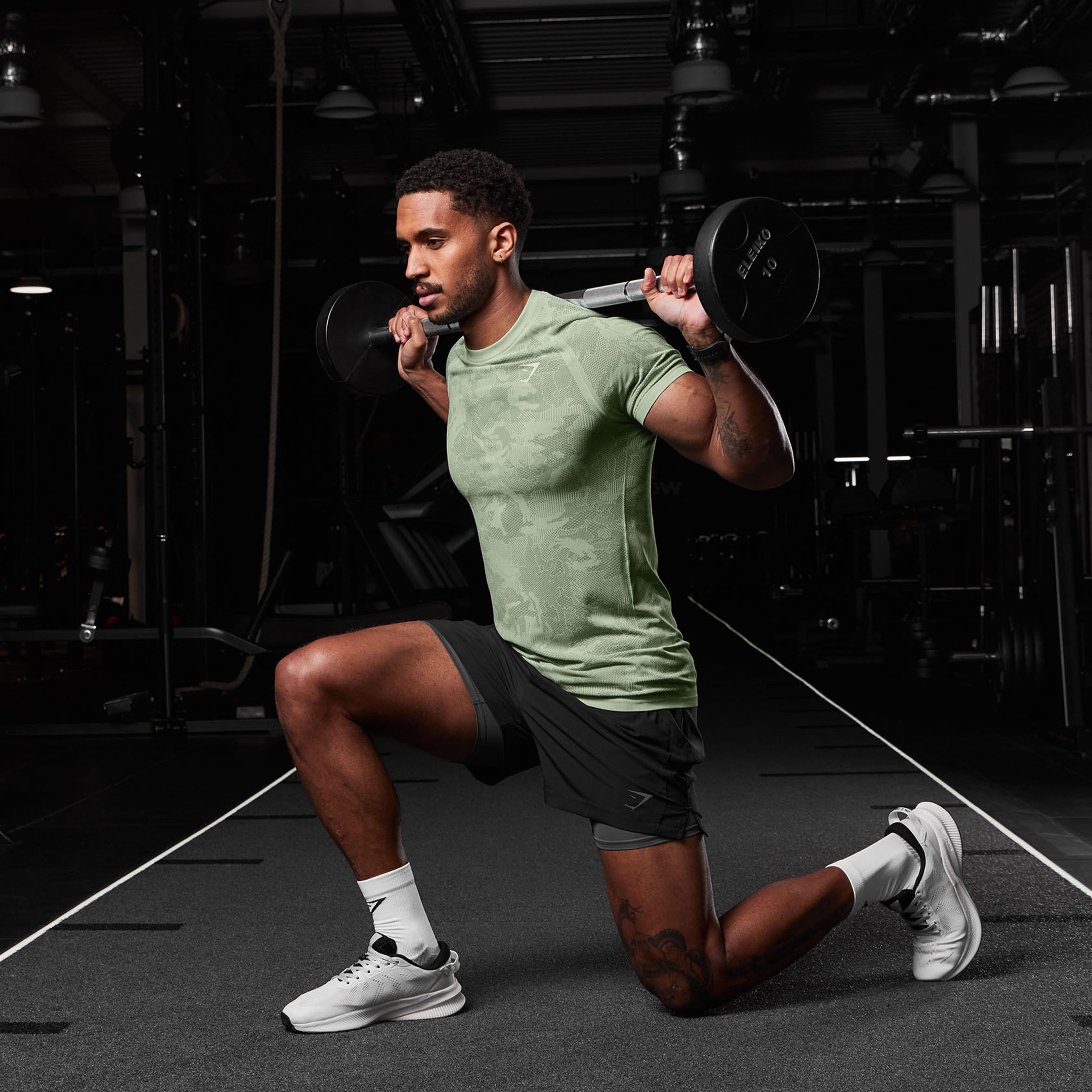
Strong legs do more for a man’s health than most people realize. They carry you up stairs, steady you on uneven ground, and protect your knees and hips as the years add up. Muscle mass and power tend to decline gradually from midlife onward, especially in men who sit for most of the day. The encouraging part is that easy leg exercises to improve mobility and lower-body strength need no gym membership, no heavy equipment, and no more than a few square feet of floor.
Training is only half of the equation, though. How well your body bounces back between sessions shapes how consistently you can keep going, and that starts with practical steps for restoring daily wellbeing: a regular sleep schedule, enough protein and fluids, a short walk on rest days, and a few minutes of unwinding so that stress does not sit in the body all week. Men who treat these basics as part of the plan, rather than an afterthought, usually find that their legs feel fresher and their motivation holds up longer.
Why Leg Strength Deserves Priority
The muscles of the thighs, hips, glutes, and calves are among the largest in the body. Keeping them active supports walking speed, posture, and the ability to get up from a chair or the floor without a struggle. Public health guidelines, including those from the World Health Organization, recommend muscle-strengthening activity involving the major muscle groups on at least two days per week for adults. Legs are a natural place to start.
Good leg strength exercises also carry over into daily life. Carrying shopping, playing with children, hiking, or recovering your footing after a trip all draw on the same muscles you train with a simple squat or step-up.
Start With Mobility Before You Add Load
Lower-body mobility is the range of motion your hips, knees, and ankles can move through comfortably. Stiff ankles can limit how deeply you squat. Tight hip flexors, often a result of long hours sitting, can tilt the pelvis and put extra strain on the lower back.
A brief warm-up of two to five minutes makes the main session feel smoother:
- Ankle circles and calf rocks: Gentle movements that wake up the joints below the knee.
- Hip swings: Holding a wall for support, swing one leg forward and back, then side to side, ten times each.
- Bodyweight good mornings: A slow hinge at the hips with a flat back, which prepares the hamstrings and glutes.
Move within a comfortable range. A mild stretching sensation is normal, but sharp or pinching pain is a signal to stop.
Six Beginner-Friendly Leg Exercises
These movements use only body weight and a sturdy chair or wall. Start with two sets of eight to twelve repetitions, resting about a minute between sets, and perform them two or three non-consecutive days per week.
Sit-to-Stand Squats
Stand in front of a chair, lower yourself until you lightly touch the seat, then press through your heels to stand. This builds the quadriceps and glutes while teaching safe squat mechanics.
Glute Bridges
Lying on your back with knees bent, lift your hips until your body forms a straight line from shoulders to knees. Hold for a second at the top. Bridges strengthen the glutes and hamstrings with very little joint stress.
Step-Ups
Use a low, stable step or the bottom stair. Step up with one foot, bring the other to meet it, and lower with control. Step-ups mimic stair climbing and improve single-leg strength.
Standing Calf Raises
Rise onto the balls of your feet, pause, and lower slowly. Strong calves contribute to walking, running, and ankle stability.
Side-Lying or Standing Leg Lifts
Lifting the leg out to the side targets the hip abductors, which keep the pelvis level when you walk or stand on one leg.
Reverse Lunges (Supported)
Step backward into a shallow lunge while holding a counter or wall for balance. Stepping back tends to feel kinder on the knees than stepping forward.
Adding Balance and Stability Work
Balance and stability exercises are easy to overlook, yet they matter as much as raw strength, particularly with age. Try standing on one leg near a counter for 20 to 30 seconds per side. When that becomes easy, close your eyes briefly or stand on a folded towel. Heel-to-toe walking along a straight line is another simple drill that challenges coordination without equipment.
Building Endurance and Progress Over Time
If you want muscle endurance and performance improvement, progression matters more than intensity. Add a few repetitions, a third set, or a slower lowering phase before reaching for heavier weights. Once bodyweight exercises feel comfortable, a backpack with a few books, a pair of dumbbells, or a resistance band can add challenge gradually.
These are natural ways to increase muscle strength because they rely on what the body already does well: adapting to regular, progressive effort. Adequate protein spread through the day, good hydration, and consistent sleep make that adaptation easier. Research on supplements for strength is mixed, and for most people a balanced diet covers the essentials.
Pairing leg work with some upper-body and core movements rounds out a program of strength exercises for physical fitness, and a couple of weekly walks or bike rides add cardiovascular benefit that complements the muscle work.
Staying Safe and Knowing When to Get Checked
Check with a doctor before starting if you have heart disease, uncontrolled blood pressure, recent surgery, or a history of falls. Stop and seek advice if you notice chest discomfort, dizziness, swelling in one leg, or pain that worsens rather than eases after exercise. Mild muscle soreness for a day or two is common when starting out; joint pain is a different matter.
Making the Routine Last
A realistic schedule beats an ambitious one. Three short sessions of twenty minutes will outperform one punishing hour that you dread. Track your repetitions in a notebook, notice when stairs feel easier, and adjust the plan as your strength grows. Warm up every time, finish with a few relaxed stretches for the hamstrings, quadriceps, and calves, and give your body a rest day between sessions.
It is also worth remembering that exercise is not always the cause when knees, hips, or ankles ache for weeks. Understanding treatment options for persistent joint discomfort starts with an accurate assessment from a physician or physiotherapist, since arthritis, old injuries, tendon problems, and muscle imbalances each call for a different response. Depending on the cause, approaches may include guided physical therapy, load modification, weight management, medication prescribed by a clinician, or, in some cases, injections or surgery. Because the right choice varies from person to person, it is best discussed with a healthcare professional rather than decided alone.
Simple leg training works because it fits into real life: a few minutes, a chair, a wall, and some patience. Start with the basics, move within comfortable limits, and build gradually, and your legs, balance, and confidence will reward you for years to come.
