

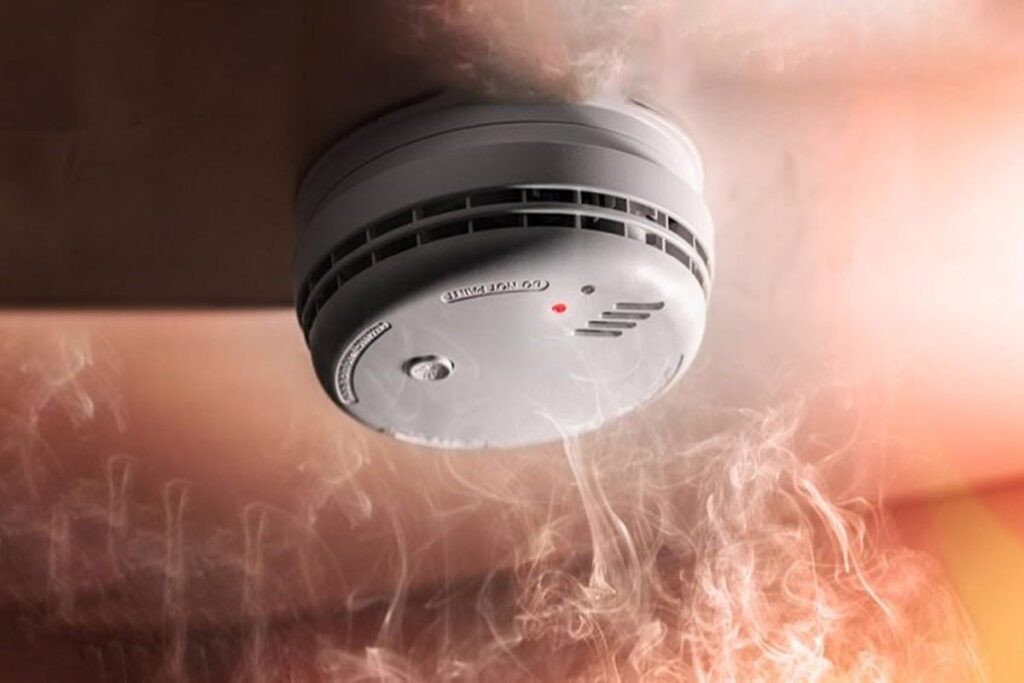
Installing a smoke detector in Singapore is essential for both safety and legal compliance. Homes and offices require early warning systems to protect lives and property. Proper installation ensures reliable detection in emergencies and reduces risk. A well-functioning device can provide precious minutes for evacuation during a fire.
Understanding the full installation process helps homeowners avoid mistakes and ensures compliance with local safety guidelines. From selecting the right detector to maintaining it over time, each step is important. Clear knowledge of the process also improves emergency preparedness. Using a Smoke Detector Singapore ensures optimal protection for any property.
Choosing the Detector Type
Two main types of smoke detectors are commonly used in Singapore: ionisation and photoelectric models. Ionisation detects fast-flaming fires quickly, while photoelectric models respond better to slow-smouldering fires. Selection depends on the property type and fire risks present. Each type offers specific advantages for different environments.
Another consideration is whether to use battery-operated or hardwired detectors. Battery models are easy to install and ideal for small homes. Hardwired detectors provide continuous power and interconnectivity for larger properties. Choosing the correct Smoke Detector Singapore model ensures reliable protection and compliance.
Pre-Installation Planning
Before starting the installation, proper planning is essential to ensure safety and efficiency. Careful preparation helps avoid mistakes and ensures long-term functionality. It also ensures compliance with SCDF requirements for homes and commercial buildings. Planning improves convenience and reduces unnecessary delays during setup.
- Identify Fire-Prone Areas: Determine areas where fires are likely, such as kitchens, electrical panels, or living rooms. Proper assessment ensures detectors are installed in optimal locations.
- Review Local Requirements: Refer to SCDF regulations for HDB flats, condos, or commercial properties. Compliance avoids fines and ensures legal safety standards.
- Prepare Tools: Collect ladders, drills, screws, mounting plates, and batteries. Having tools ready makes installation faster and reduces errors.
- Plan Accessibility: Ensure detectors can be reached for testing, cleaning, and battery replacement. Accessibility improves long-term reliability and ease of maintenance.
Proper Placement Guidelines
Smoke detectors should be installed on ceilings or high walls to detect rising smoke quickly. Position them outside bedrooms, in hallways, and shared spaces for maximum coverage. Avoid placing devices near air vents, fans, or windows. Proper placement ensures early warnings and reduces detection delays.
Detectors must not be too close to kitchens or bathrooms to avoid false alarms from steam or cooking fumes. Maintaining a clear area around the sensor improves accuracy. When integrating other fire safety measures, such as a Smoke Curtain System Singapore, ensure devices are coordinated for optimal smoke control. Correct placement also prevents device malfunctions and increases lifespan. A well-placed Smoke Detector Singapore offers reliable detection when it matters most.
Installation Steps
Starting installation only after proper planning ensures a smooth and safe setup process. Following step-by-step procedures prevents errors and ensures the detector works as intended. Clear instructions make installation faster and reduce the risk of malfunction. Properly executed steps are key to maintaining reliability and safety.
- Mark the Spot: Use a pencil to mark where the base plate will be attached. Ensure it is level and free from obstructions.
- Secure the Base Plate: Drill holes at marked locations and insert wall plugs. Screw the plate tightly to support the detector securely.
- Attach the Detector Unit: Align and twist or click the detector into the base plate. Confirm it is firmly locked to prevent accidental falls.
- Power the Device: Install batteries or connect hardwired wiring. Check that the detector powers on and the alarm functions properly.
Maintenance and Testing
Regular maintenance ensures the smoke detector functions effectively over time. Dust and humidity can interfere with sensor accuracy, so clean it monthly. Use a soft cloth or vacuum around the sensor openings. Keeping the device clean reduces false alarms and improves reliability.
Test the alarm at least once a month using the built-in button. Replace batteries annually or when the low-battery signal sounds. Hardwired systems should be inspected periodically for wiring integrity. Replace detectors every ten years to maintain full protection and proper operation.
Where to Get Yours?
For reliable smoke detectors in Singapore, Alliance Automation is a trusted provider. They offer a wide range of detectors that meet SCDF safety standards and come with professional support. Customers can choose models suitable for homes, offices, and commercial buildings. Their team also provides advice on the best placement and setup for maximum protection.
Alliance Automation ensures every device sold is genuine, high-quality, and backed by warranty. They provide both battery-operated and hardwired options to suit any requirement. Ordering is simple through their website or physical store, with prompt delivery and installation guidance. Choosing Alliance Automation guarantees peace of mind and a safe environment.
Conclusion
Installing a smoke detector in Singapore is a critical step in protecting both lives and property. Following proper planning, selecting the right device, and placing it strategically ensures early fire detection. Regular testing and maintenance extend the system’s life. Using a correctly installed Smoke Detector Singapore maximizes safety for occupants.
A well-installed detector provides peace of mind and compliance with local fire safety regulations. By following all installation and maintenance steps, property owners can prevent unnecessary risks. Proper care ensures the system operates reliably when needed most. Investing time in preparation and upkeep ultimately safeguards homes and workplaces.
