

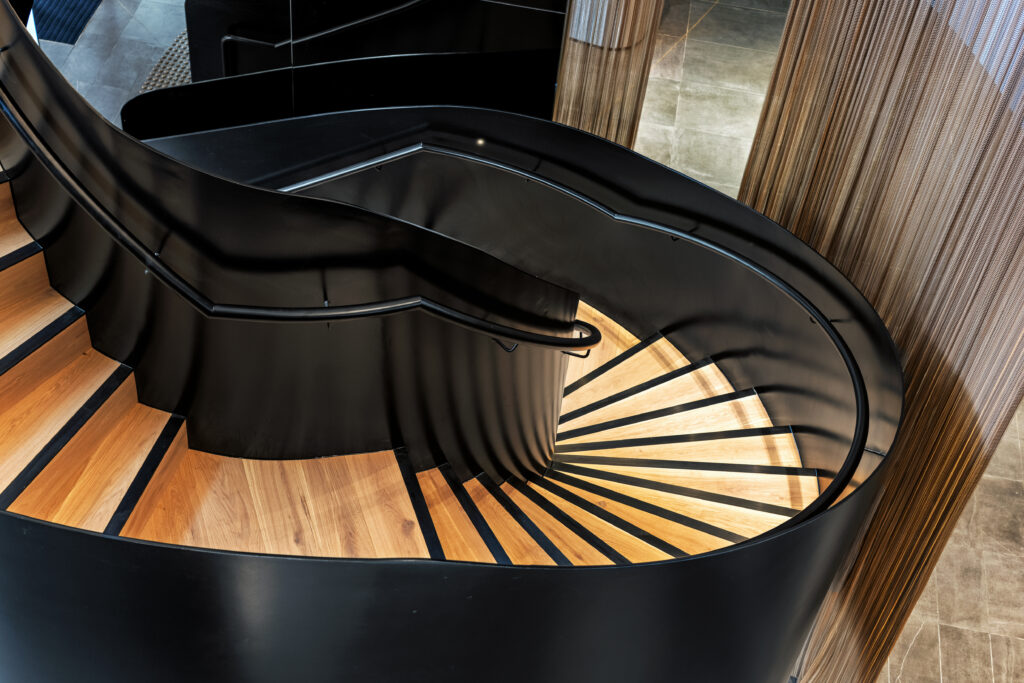
Public spaces are designed to welcome everyone. From office buildings and hospitals to shopping centres, schools, and transport hubs, these environments must balance accessibility, durability, and safety. One often overlooked detail that plays a critical role in achieving this balance is the use of stair nosings. Across Slovakia, stair nosings have become an essential feature in public architecture due to safety requirements, heavy foot traffic, and long-term maintenance concerns.
Improving Safety In High Traffic Environments
Public spaces experience constant movement throughout the day. People of different ages, mobility levels, and footwear use the same staircases, often in a hurry or during crowded conditions. Stair nosings help reduce the risk of slips and falls by providing a clearly defined edge on each step. This visual contrast makes stairs easier to navigate, especially in areas with artificial lighting or changing weather conditions.
In Slovakia, where seasonal rain and winter moisture are common, wet shoes can quickly turn smooth stair surfaces into hazards. Stair nosings add extra grip at the most vulnerable part of the step, which significantly lowers the chance of accidents in busy public areas.
Supporting Accessibility And Inclusive Design
Accessibility is a growing priority in modern public design. Stair nosings play a meaningful role in making staircases easier to use for people with visual impairments, limited mobility, or balance challenges. A clearly visible stair edge helps users judge depth and distance more accurately, which improves confidence and reduces hesitation.
Public spaces such as government offices, cultural centres, and healthcare facilities in Slovakia increasingly focus on inclusive access. Stair nosings contribute to this goal by supporting safer movement for everyone without changing the overall structure of the staircase.
Protecting Stair Edges From Wear And Damage
The edge of each stair step receives the most impact from foot traffic. Over time, this repeated pressure leads to chipping, cracking, and surface breakdown. In public buildings, damaged stairs not only look unprofessional but also increase safety risks.
Stair nosings act as a protective layer that absorbs impact and shields the underlying stair material. This protection extends the life of the staircase and reduces the need for frequent repairs. For public facilities that must manage long-term maintenance budgets, stair nosings offer a practical and cost-effective solution.
Maintaining Professional Appearance In Public Buildings
Public spaces represent institutions, communities, and services. Worn or damaged stairs can leave a negative impression on visitors and users. Stair nosings help maintain a clean and well-cared-for appearance by covering areas that are most prone to visible wear.
Architects and facility managers may combine contemporary stair nosing designs with interior design themes because they come in a variety of finishes and colours. This means safety improvements do not come at the expense of visual appeal.
Supporting Compliance With Safety Expectations
While specific building standards vary, public spaces across Slovakia are expected to meet clear safety expectations. Stair nosings help demonstrate that a building has taken reasonable steps to reduce accident risks. This is especially important in places such as schools, transport stations, and shopping areas where large numbers of people gather daily.
In the event of an accident, visible safety measures like stair nosings can also support risk management efforts by showing that preventative solutions were in place.
Performing Reliably In Indoor And Outdoor Areas
Public staircases exist both indoors and outdoors. Exterior steps face temperature changes, moisture, and debris, while interior stairs deal with constant foot traffic and cleaning routines. Stair nosings are designed to perform in both environments by providing grip, visibility, and durability regardless of location.
For outdoor public spaces in Slovakia, stair nosings are particularly valuable during colder months when surfaces can become slick. Their added traction helps maintain safer access even under challenging conditions.
Reducing Long-Term Costs For Public Facilities
Installing stair nosings is a small investment compared to the potential costs of injuries, repairs, or liability claims. By preventing accidents and protecting stair structures, stair nosings help public facilities avoid unexpected expenses over time.
This cost efficiency makes stair nosings a smart choice for municipalities, property managers, and organizations responsible for maintaining public buildings across Slovakia.
Conclusion
Stair nosings are more than a finishing detail. They are a vital safety and maintenance feature in public spaces throughout Slovakia. By improving grip, visibility, accessibility, and durability, stair nosings help create safer and more reliable environments for everyone. As public buildings continue to prioritize safety, inclusion, and long-term performance, stair nosings remain an essential part of thoughtful and responsible design.
