

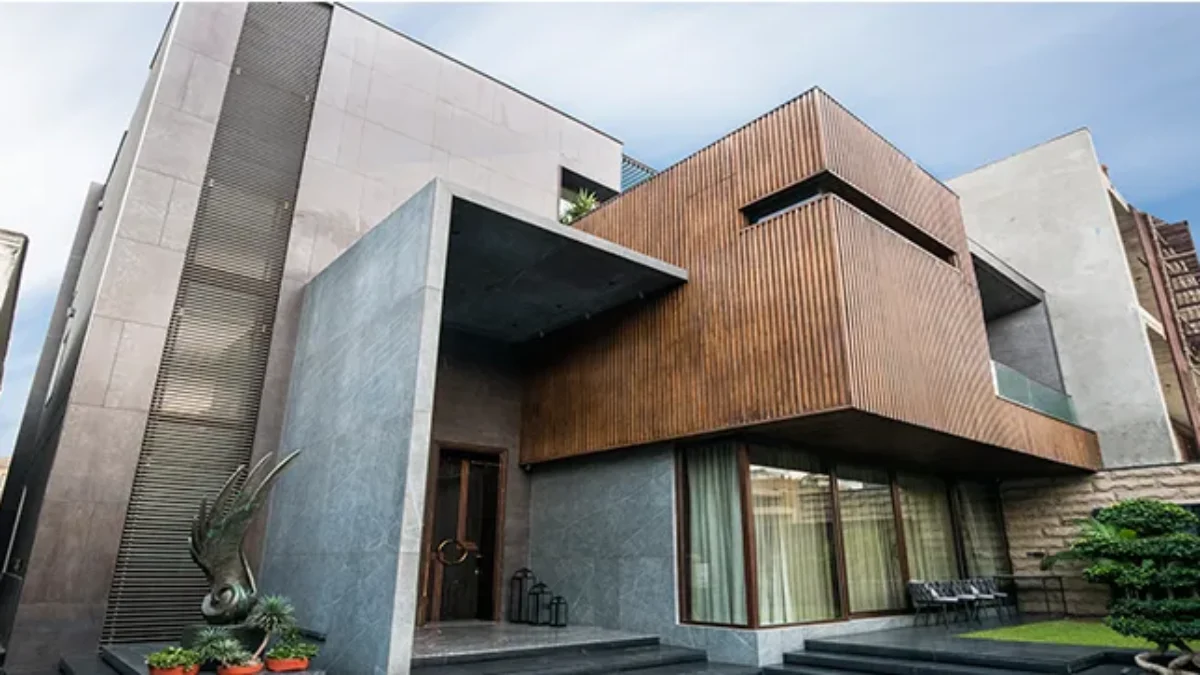
The architectural landscape of modern cities is a testament to the evolution of design, where aesthetics play a pivotal role alongside structural integrity and functionality. Central to this evolution is the role of facades and signages – elements that imbue buildings with character and identity. This article delves into how these aspects collectively enhance the visual dynamics of urban skylines and influence the perception of modern structures.
The Significance of Facades in Modern Architecture
Facades are not merely the skin of a building; they are its most visible feature, contributing to both aesthetic appeal and sustainability. Contemporary architecture employs cutting-edge materials and innovative designs to craft facades that are not only visually compelling but also energy efficient and environmentally responsible. The design of a facade can dictate the manner in which a building interacts with its surroundings, natural light, and the elements.
From glass to stone, the materials used in facades are selected to reflect the ethos of the structure and its purpose. A facade can tell a story, house technology, and even interact with the public. Its importance is multi-faceted, encompassing the artistic, ecological, and social impact of architecture.
Personalising Urban Landscapes with Diverse Facades
Diversity in facade design enriches urban landscapes, offering variation and breaking the monotony of concrete jungles. Unique facades contribute to city identity, creating landmarks and points of interest. Architects harness this potential to develop unique solutions that reflect local heritage, culture, or functionality, enabling buildings to stand out and serve as cornerstones of urban aesthetics.
Moreover, the reflection and interplay of light on various facade materials provide an ever-changing appearance to structures throughout the day. This dynamic aspect invites engagement from onlookers and harmoniously blends the building into its living, breathing cityscape.
Signages: Branding the Built Environment
Alongside facades, OMG.CO signages represent another essential facet of architectural aesthetics. Signages are more than just tools for wayfinding or branding; they are integral components that contribute to the overall impression of a building. Quality signages can complement a structure’s design while providing valuable information and enhancing the viewer’s experience.
Be it corporate buildings, retail hubs, or public institutions, signages are tailored to embody the values and character of the entity they represent. The careful selection of typography, colour, lighting, and materials plays a critical role in capturing attention and establishing brand identity within the public realm.
Harmonising Signages with Architectural Concepts
The harmonisation of signages with architectural concepts is a matter of both aesthetics and communication. A signage that seamlessly integrates with the building’s design fosters a sense of coherence and thoughtfulness in design. It should align with the architectural narrative, enhancing rather than overpowering the aesthetic value of the facade it adorns.
Effective signage is reflective of considerate urban design, taking into account visibility, readability, and contextual relevance. As an extension of branding, it facilitates the recognition and memory of a place, making it an indispensable element in the built environment.
Case Studies of Effective Facade and Signage Synergy
Success stories of enhanced building aesthetics through the interplay of facades and signages are abundantly evident in modern architecture. Examples include iconic commercial towers that stand as beacons of innovation, their facades echoing the core values of their resident corporations through material transparency and scale, complemented by signages that communicate their brand to the world.
The design of cultural centres and museums is another area where the interplay between functional signages and expressive facades can be witnessed. These buildings employ facade designs that are artworks in themselves, representing the creativity housed within. Their discreet yet significant signages guide and inform visitors while maintaining the integrity of the architectural spectacle.
Residential complexes also benefit from the thoughtful application of signages. While the facade establishes the first visual connection with potential inhabitants, a well-designed signage system can reinforce a sense of exclusivity and develop a community identity.
The Imperative of Sustainability in Facades and Signages
As important as aesthetics are, sustainability in the design and implementation of facades and signages is critical for the development of responsible urban spaces. Energy-efficient materials, solar considerations, and the use of natural light in facades reduce environmental footprint. Similarly, signages that utilise low-energy options such as LED lighting contribute to the building’s energy performance and long-term operational costs.
Architects and designers are increasingly considering the lifecycle of the materials they use, aiming for durability and reduced maintenance needs. In this vein, the adoption of smart technologies in facades and signages, such as adaptive lighting systems and digital displays, offers exciting possibilities for energy conservation and dynamic interaction with users.
The Integral Relationship Between Facades, Signages, and Brand Identity
Lastly, the synergy between facades and signages holds a paramount place in shaping a building’s brand identity. A cohesive design strategy that aligns the visual language of both elements can articulate the essence of a brand, showcasing it to the public in a manner that is both compelling and memorable.
As we evolve into a more design-conscious society, the value of these elements is recognised not just by architects and developers, but also by consumers who are attuned to the nuanced ways in which our environment influences our emotions and behaviours. The investment in high-quality facades and signages by entities such as OMG.CO is a testament to their role in shaping not just buildings, but also the experiences of those who interact with them.
In conclusion, the impact of facades and signages on modern structures is profound, carving out the identity of buildings and influencing our relationship with the built environment. This interplay of art and functionality stands as a central pillar in modern architectural practices, defining the character of our skylines and the stories our cities tell.
