

Living with a hernia, whether it’s inguinal, umbilical, or incisional, can feel uncomfortable and overwhelming. That constant sense of press+ure, along with the worry that the bulge might worsen during activity, often causes individuals to seek quicker relief methods.
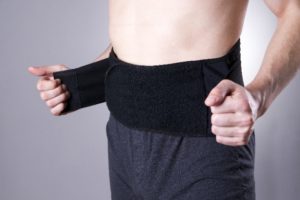
For many, a hernia belt becomes the go-to solution, helping manage symptoms while waiting for surgery or even as part of a long-term strategy. However, just putting on a hernia belt isn’t enough. If it’s not worn properly, it can sometimes cause discomfort or even make the hernia feel more pronounced.
To help you get the most benefit from your support, let’s look at the most common mistakes people make and how to avoid them.
1. Positioning the Belt While Standing Up
This is perhaps the most frequent error. When you are standing, gravity is working against you, causing the abdominal contents to push through the hernial opening. If you apply the belt while standing, you might simply be trapping the protrusion in its out-pushed state rather than supporting it.
The Fix: Always apply your hernia belt for men or women while lying down. When you lie flat, the hernia often reduces (slides back into the abdominal cavity) naturally. Applying the belt in this position makes sure that the pressure pad keeps the tissue inside where it belongs.
2. Overtightening for Extra Security
It is a common misconception that the tighter the belt, the safer the hernia. While you want firm pressure, an overly constricted belt can:
- Restrict blood flow to the area.
- Causes digestive distress or acid reflux by putting too much pressure on the stomach.
- Lead to muscle atrophy because the core muscles stop working completely, relying only on the brace.
The Fix: The belt should fit snugly enough to keep the hernia in place when you cough or strain, while still enabling you to breathe deeply and move comfortably.
3. Using the Belt as a Substitute for Medical Advice
A support garment is a management tool, not a cure. A hernia is a mechanical defect in the abdominal wall, a hole that usually requires surgical intervention to close. Some users make the mistake of wearing a belt and assuming the problem is fixed, leading them to ignore red flag symptoms.
Important Note: If your hernia becomes hard, red, or extremely painful, or if you experience nausea and vomiting, the hernia may be strangulated. This is a medical emergency that a belt cannot fix.
4. Ignoring Skin Hygiene and Maintenance
Since these belts are worn for 8 to 12 hours a day, some moisture and friction are bound to happen. A lot of people forget to clean their skin or belt well, which can lead to rashes, irritation, or fungal problems.
The Fix:
- Wear a base layer: Place a thin, cotton undershirt or high-waisted briefs beneath the belt to prevent direct friction.
- Regular Washing: Refer to the manufacturer’s guidelines before washing your hernia belt. Usually, it should be hand-washed using mild, chemical-free soap and left to air dry. Both strong detergents and heat affect the material by overstretching or loosening it, which impairs its effectiveness. Cleaning the belt on a regular basis not only keeps it in good shape, but also protects your skin from irritation or infection.
- Check for Wear: The elastic and Velcro tend to gradually weaken with use. When the belt starts to slip or becomes loose, it’s a sign for you to find a new one.
5. Neglecting the Compression Pad Placement
Most high-quality supports come with removable compression pads. A common mistake is placing the pad too high or too low. If the pressure isn’t centered directly over the hole in the muscle wall, the hernia can still sneak out around the edges of the pad.
The Fix: While lying down, use your fingers to find the exact spot of the bump before tightening the straps. Put the compression pad in the middle of this spot and then tighten the straps.
6. Sleeping in the Belt Without Necessity
Unless specifically instructed by a surgeon (often during post-operative recovery), you generally should not wear a support belt while sleeping. When you are horizontal and at rest, the intra-abdominal pressure is at its lowest, and your skin needs time to breathe and recover from the day’s compression.
7. Stopping Core Exercises Entirely
It’s tempting to let the belt do all the work. However, relying solely on a brace leads to the weakening of the transverse abdominis and oblique muscles. Weak muscles make the hernia more likely to enlarge over time.
The Fix: Start by consulting your physiotherapist to learn exercises meant for hernia care. These movements help you engage your core muscles safely, improving strength and stability. Strengthening the natural internal corset of your muscles will complement the external support provided by the garment.
What Should You Look for When Buying a Hernia Belt?
Selecting the right product is just as important as how you wear it. When shopping, look for:
- Breathability: Especially in warmer climates, look for vented or moisture-wicking materials.
- Adjustability: Leg straps (for inguinal hernias) should be adjustable to prevent chafing in the groin area.
- Anatomical Design: Make sure the shape of the belt fits your type of hernia.
Comparison of Hernia Support Types
| Type of Hernia | Recommended Belt Feature |
| Inguinal (Groin) | Double or single truss style with under-leg straps. |
| Umbilical (Navel) | Wide abdominal binder with a localized silicone or firm foam pad. |
| Incisional (Post-Surgical) | Broad, multi-panel binder to support a larger region of the abdominal wall. |
Conclusion
A hernia belt for men is a helpful aid for staying active and minimizing discomfort. Avoiding mistakes such as poor placement, overly tight straps, and neglecting hygiene allows you to protect your health and improve your everyday life while managing your hernia.
Always remember that the belt is there to support your body, not replace its natural functions. Use it wisely, stay in touch with your doctor, and listen to what your body is telling you.
