

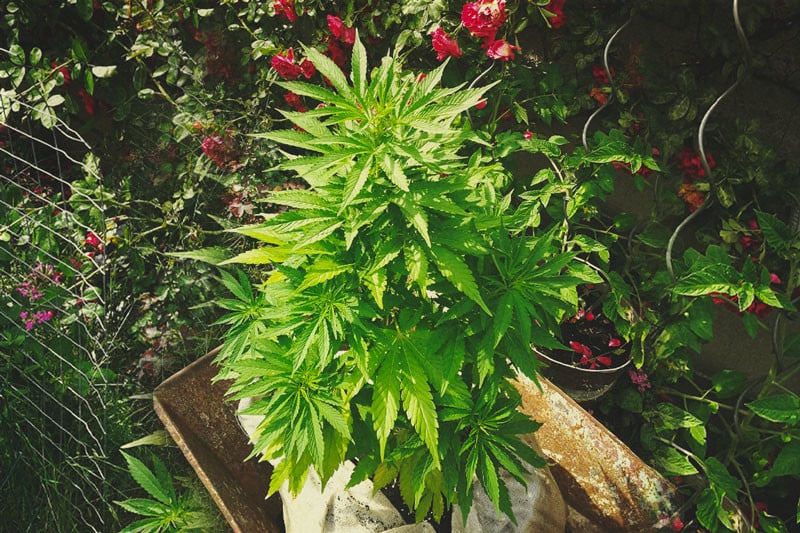
Organic farming methods are becoming increasingly popular among growers who want healthier plants, cleaner products, and sustainable practices. growing cannabis organically focuses on using natural inputs, improving soil health, and avoiding synthetic chemicals. This approach not only enhances plant quality but also protects the environment and promotes long-term soil fertility.
What Does Organic Cannabis Cultivation Mean?
Organic cannabis cultivation involves growing plants using natural fertilizers, compost, and biological pest control methods instead of chemical-based products. The goal is to create a balanced ecosystem where plants thrive naturally.
Key Principles of Organic Growing
- Use of natural fertilizers such as compost, bone meal, and manure
- Maintaining living soil rich in beneficial microorganisms
- Avoiding synthetic pesticides and chemical fertilizers
- Encouraging biodiversity in the growing environment
These principles help create a sustainable system that supports plant health and improves yield quality.
Benefits of Growing Cannabis Organically
1. Healthier Plants
Organic methods improve soil structure and nutrient availability, resulting in stronger plants with better resistance to pests and diseases.
2. Better Flavor and Aroma
Cannabis grown organically often has richer terpene profiles, leading to improved taste and aroma compared to chemically grown plants.
3. Environmental Sustainability
Organic cultivation reduces soil degradation, prevents water contamination, and supports biodiversity.
4. Long-Term Soil Fertility
By using compost and natural amendments, soil remains fertile and productive for future crops.
For growers looking to adopt eco-friendly methods, growing cannabis organically provides a sustainable and effective approach.
Essential Components of Organic Cannabis Growing
Soil Preparation
Healthy soil is the foundation of organic cultivation. Use a mix of:
- Compost for organic matter
- Worm castings for microbial activity
- Natural minerals for balanced nutrients
Organic Fertilizers
Natural fertilizers provide essential nutrients without harming the soil ecosystem. Common options include:
- Bone meal for phosphorus
- Blood meal for nitrogen
- Compost tea for overall plant health
Water Management
Proper watering is crucial. Overwatering can damage roots, while underwatering can stress plants. Use clean, preferably non-chlorinated water to maintain soil health.
Natural Pest Control
Instead of chemical pesticides, organic growers rely on:
- Beneficial insects like ladybugs
- Neem oil and plant-based sprays
- Companion planting to deter pests
Common Challenges and Solutions
Nutrient Deficiencies
Organic fertilizers release nutrients slowly, so deficiencies may occur if not managed properly. Regular soil testing and balanced amendments can prevent this.
Pest Management
Organic methods require more attention to pest control, but natural solutions are effective when used consistently.
Time and Effort
Organic cultivation may require more time and effort, but the long-term benefits outweigh the initial challenges.
Tips for Successful Organic Cannabis Cultivation
- Start with high-quality organic soil
- Use compost and natural fertilizers regularly
- Monitor plant health and soil conditions
- Maintain proper watering practices
- Encourage beneficial insects and biodiversity
FAQs
What does growing cannabis organically mean?
It means cultivating cannabis using natural fertilizers, organic soil, and eco-friendly pest control methods without synthetic chemicals.
Is organic cannabis better than conventional cannabis?
Organic cannabis is often considered better in terms of flavor, aroma, and environmental impact, as it avoids chemical inputs and supports soil health.
What fertilizers are used in organic cannabis growing?
Common organic fertilizers include compost, bone meal, blood meal, and natural mineral amendments.
Conclusion
Growing cannabis organically is a sustainable and rewarding approach that benefits both growers and the environment. By focusing on natural inputs, healthy soil, and eco-friendly practices, growers can produce high-quality cannabis with enhanced flavor and potency. While it may require more effort and careful management, the long-term advantages of organic cultivation make it a valuable choice for modern agriculture.
