

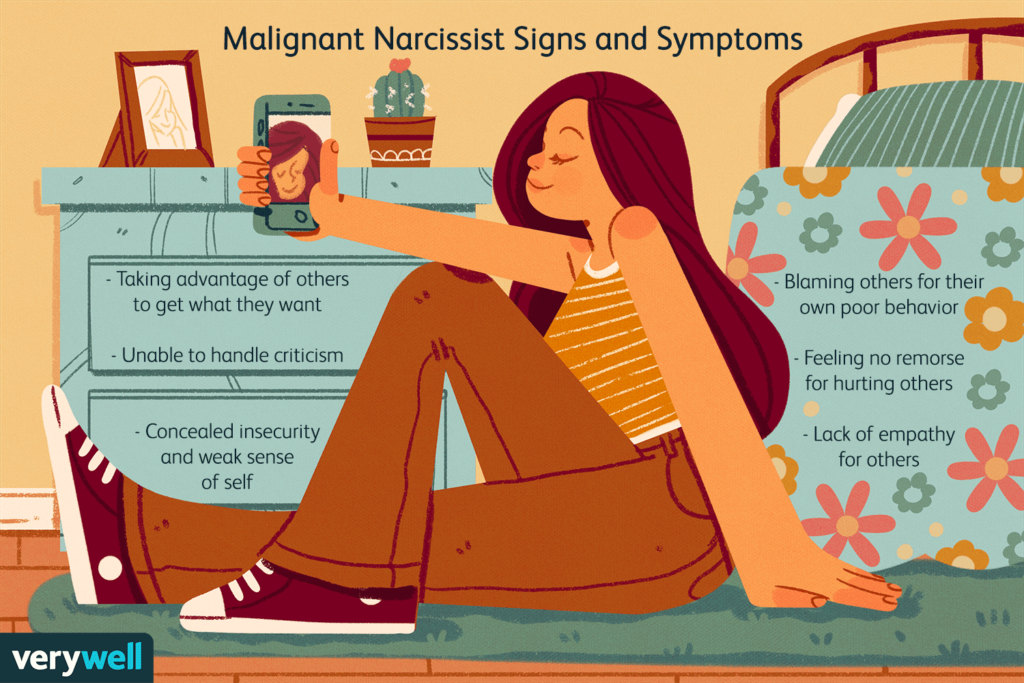
Narcissism, at least at first sight, is loud, confident, and attention-seeking. Nevertheless, a more subtle and intricate form is ignored by many people. This is the point where the idea of a weak narcissist will be relevant. On the one hand, we can describe the external performance as timid or vulnerable; on the other hand, the emotional universe inside the person tells quite a different story.
In case you are seeking to decipher personality patterns or relationship battles, then it is useful to go deeper into finding out the underlying cause of this situation. To further break it down, you can read this guide to vulnerable narcissist traits and behaviors.
Which is a vulnerable narcissist?
A weak narcissist is a person who has a narcissistic character but manifests it in a less pronounced and introverted manner. They are not always appreciated, misunderstood or forsaken instead of being outspoken to be admired. Consequently, they can have low self-esteem yet have a high level of entitlement.
This personality pattern in most instances, is developed as a reaction to the early emotional experiences. To give an example, disordered validation or emotional neglect can result in a profound need to be approved of. Nevertheless, instead of manifesting this need externally, the person goes inside and becomes hypersensitive to criticism.
Due to this, communicating with a weak narcissist is disorienting. On the one hand, they can seem scared or reserved. Conversely, they can react very aggressively to the perceived rejection or not being appreciated.
Key traits and behaviors
The traits that are attributed to this type of personality can be understood to find patterns in yourself or in other people more easily. Despite the differences in each person, there are a number of features that tend to appear.
A weak narcissist is likely to be very sensitive to criticism. Even weak feedback may be perceived as an individual attack. Consequently, they can either retreat, become defensive or remain in resentment over extended periods of time.
Emotional fragility is another characteristic feature. Although they might not be outright demanding, they are usually terribly hurt when not given the validation that they expect. This may result in passive-aggressive behaviour or indirect efforts to ensure reassurance.
Besides, a lot of them observe an envious inclination. A weak narcissist can draw parallels with other people and feel insufficient when a person is successful. Nevertheless, they can put these sentiments into themselves and become silent in resentment.
What makes it different from grandiose narcissism?
Even though both types belong to the same big category, the distinctions between the two are notable. A narcissist with a grandiose demeanor is usually seen as confident, dominant, and talkative. On the other hand, a weak narcissist tends to be seen as shy, nervous, or even self-blaming.
With such variations, both of them are in need of validation and recognition. The only difference is the way the need is stated. One wants attention to be noticed, and the other wants to do it in an indirect manner with emotional appeals and minor actions.
Due to this contrast, an exposed narcissist may be more difficult to spot. Their actions can be confused with mere insecurity or introversion. Nevertheless, the deeper patterns show a more intense self-worth and identity struggle.
Etiology and pathophysiology.
Childhood experiences are mostly cited to influence the development of this pattern of personality. As an example, incoherent parenting may confuse a person about their self-esteem. Praise and criticism should be consistent, and sometimes a child will grow up not knowing his or her worth.
Meanwhile, emotional neglect may have a significant role. The person will have an internal desire to be validated without the help of a positive reinforcement pattern. In the long run, this necessity turns out to be the key point in their identity.
Trauma or chronic stress may also play its part in certain situations. Such experiences can support the sentiment of vulnerability and cause defensive behaviors. Consequently, the weak narcissist adopts coping skills that are based on self-defense and emotionality.
Impact on relationships
Association with a fragile narcissist may be logistically hard. They might seem loving and very sensitive at first. But with time some trends can start to emerge.
As an illustration, they might feel in need of constant reassurance and fail to reciprocate the same in the form of support. In the event of conflict, they can either withdraw or be passive-aggressive as opposed to facing the matter.
Also, they are very sensitive to criticism, which may cause tension. Defensive reactions or emotional shutdown may be caused even by constructive feedback. This leads to difficulties in communication and misunderstandings might increase.
Irrespective of these challenges, it should be noted that such behaviors are usually a result of profound emotional traumas. Hence, it can be beneficial to be empathetic in the situation.
Mood swings and self-turmoil.
At the inner level, a feeble narcissist will constantly feel the push and pull between self-doubt and right. On the one hand, they might experience incompetence or inferiority. Conversely, they can feel that they should be treated in a special way.
This conflict may be emotionally unstable. An example is that they can be self-assured at one point and extremely vulnerable at another. These changes may have an impact on their mood, relationships, and general well-being.
In addition, rumination is a typical trend. A weak narcissist can repeat previous experiences in their heads by dwelling on the perceived insults or critique. This may fuel anger and cause one to feel unable to proceed.
Signs to watch for
Being aware of the indicators of this personality type can assist you be better in your interactions. Although an individual is always an individual, some patterns can reveal that one is a weak narcissist.
They can be seen as being timid yet wanting to be validated. Simultaneously, they can respond to criticism intensively without open conflicts. Moreover, they can be vindictive or easily offended by others.
The other typical symptom is the victim-like behavior. A weak narcissist can only be ready to accept the situation in a manner that makes him/her to appear as a victim. This has the potential to cause blame and an emotional game.
Support and coping mechanisms.
In the case of a vulnerable narcissist, it is necessary to establish positive boundaries. Verbal communication can also be used to decrease misunderstanding and establish a more balanced relationship.
Meanwhile, empathy can be applied to enhance interaction. Although it is necessary to take care of your own welfare, being able to see the emotional burdens behind the scenes may result in more sympathetic reactions.
Self-awareness is an influential first step for people who associate themselves with these traits. Personal development and therapy might help to solve the underlying problems and create healthier coping methods. This would eventually result in better relationships and emotional balance.
The importance of awareness
Awareness is important in the comprehension of personality trends. Once one is informed about the characteristics of a weak narcissist, they can easily identify behaviors and handle them more efficiently.
Stigma is also minimized through this knowledge. It does not classify people negatively but helps to gain a better insight into the experiences of individuals. Consequently, the discussions on mental health become more conducive and positive.
In addition, awareness can enable persons to seek assistance. With therapy, education, or self-reflection, taking action towards progress can result in significant change.
Final thoughts!!
The awareness of the emotional depth of a weak narcissist can change your relationship and behavior perceptions. Though the characteristics can be perceived as the subtle ones initially, they show a great necessity for validation and emotional safety.
These dynamics can be negotiated more healthily when one takes the proper approach. Empathy with boundaries can help you establish more balanced and supportive relationships.
Nashville Mental Health is aimed at assisting people to address these patterns thoughtfully and succinctly. Significant improvement can be achieved among the victims of vulnerable narcissism through increased awareness and professional assistance.
