
Learning management systems (LMS) have come a long way from their early days. Initially, they were designed as simple platforms to upload training materials and track course completion. While that was sufficient in the past, modern organizations now require far more advanced capabilities.
Today’s workforce expects learning experiences that are engaging, personalized, and accessible. At the same time, organizations need systems that can scale, provide insights, and adapt to changing business needs.
This shift has redefined what it means to have an effective LMS.
Why Traditional LMS Platforms Are No Longer Enough
Older LMS platforms often focused on administrative efficiency rather than user experience. They allowed organizations to manage training programs but did little to enhance engagement or learning outcomes.
Common limitations of traditional systems include:
- Static content with minimal interactivity
- Limited personalization
- Poor user interface and experience
- Lack of real-time insights
- Difficulty integrating with other systems
As a result, many organizations struggled with low adoption rates and ineffective training programs.
The Core Characteristics of a Modern LMS
A modern LMS is designed to go beyond basic functionality. It focuses on delivering meaningful learning experiences while supporting organizational goals.
1. User-Centric Design
User experience is at the heart of modern systems. Platforms must be intuitive, easy to navigate, and accessible across devices. Employees should be able to find and complete training without unnecessary friction.
2. Personalization and Adaptive Learning
Modern LMS platforms use data to personalize learning paths. Content is tailored based on individual roles, skill levels, and learning progress.
This ensures that employees receive relevant training that directly impacts their performance.
3. Integration with Business Systems
An effective LMS does not operate in isolation. It integrates seamlessly with HR systems, communication tools, and performance management platforms.
This integration ensures that learning becomes a natural part of the workflow rather than a separate activity.
Moving Beyond Content Delivery
One of the biggest changes in modern LMS platforms is the shift from content delivery to experience-driven learning.
Organizations are now focusing on how learning is consumed and applied. Interactive modules, real-world scenarios, and collaborative features are becoming standard.
At this stage, many companies begin exploring platforms that offer advanced capabilities, including claned LMS features, which are designed to enhance engagement through personalization, analytics, and collaborative learning environments.
These features allow organizations to move beyond basic training and create a more dynamic learning ecosystem.
The Role of Data and Analytics
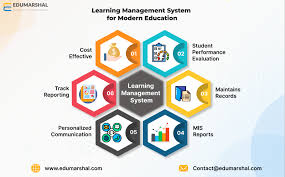
Data plays a crucial role in modern LMS platforms. Organizations need to understand how employees interact with training content, where they struggle, and how learning impacts performance.
Advanced analytics provide insights into:
- Learner engagement
- Completion rates
- Skill development progress
- Training effectiveness
These insights enable organizations to continuously improve their learning programs.
Supporting Continuous Learning
Modern LMS platforms are built to support continuous learning rather than one-time training. They provide ongoing access to updated content, allowing employees to keep their skills current.
This is particularly important in industries where change is constant, and new skills are required frequently.
Enhancing Engagement Through Technology
Engagement is one of the biggest challenges in learning and development. Modern LMS platforms address this by incorporating features such as:
- Gamification
- Interactive content
- Social learning tools
- Mobile accessibility
These features make learning more engaging and increase participation rates.
Scalability and Flexibility
As organizations grow, their learning needs evolve. A modern LMS must be able to scale with the business, supporting more users, content, and complex training programs.
Flexibility is equally important. Organizations should be able to customize the platform to meet their specific requirements.
The Impact on Organizational Success
An effective LMS has a direct impact on business performance. When employees have access to the right training and tools, they are better equipped to perform their roles.
This leads to:
- Increased productivity
- Improved employee satisfaction
- Better customer experiences
- Stronger competitive advantage
Overcoming Implementation Challenges
While modern LMS platforms offer significant benefits, successful implementation requires careful planning. Organizations must ensure that:
- Content is relevant and engaging
- Employees are encouraged to participate
- Learning is integrated into daily workflows
- Progress is regularly monitored
Without these elements, even the most advanced platform may not deliver the desired results.
Looking Ahead
The future of LMS platforms lies in further integration with emerging technologies. Artificial intelligence, machine learning, and immersive experiences will continue to enhance learning outcomes.
Organizations that adopt modern LMS solutions today are positioning themselves for long-term success.
Final Thoughts
A modern learning management system is more than just a tool—it is a strategic asset. It enables organizations to develop their workforce, improve performance, and adapt to change.
By focusing on user experience, personalization, and advanced capabilities, businesses can create learning environments that drive real results.
In an era where skills define success, investing in the right LMS is no longer optional—it is essential.