

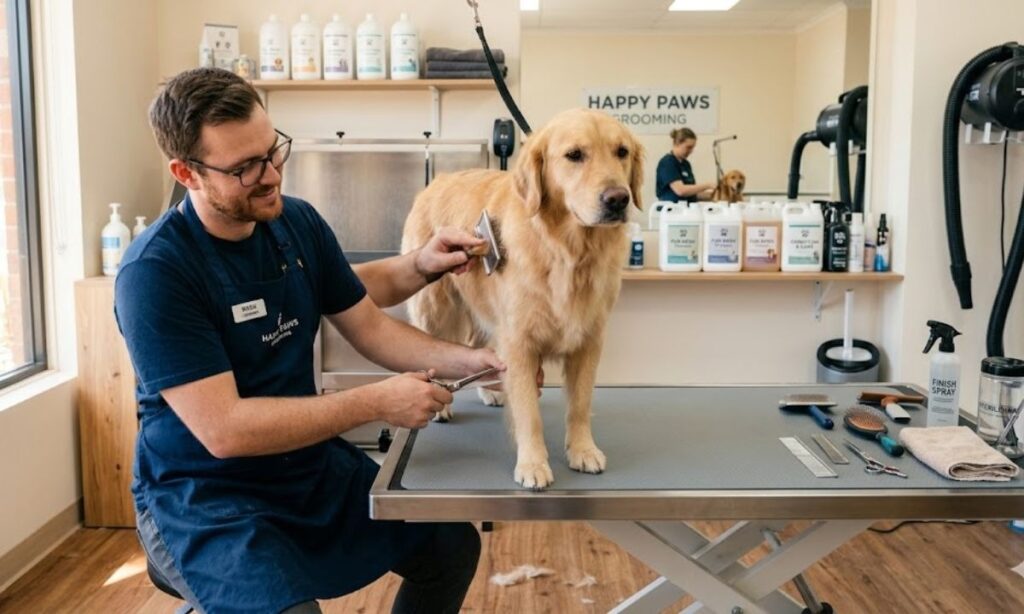
Most dog owners think grooming is just a bath, a brush, and maybe a haircut. But if that’s all you think it is, you’re missing most of the picture. Regular grooming is one of the most important things you can do for your dog’s health — and it goes far deeper than keeping them looking cute.
Dogs can’t tell you when something feels wrong. They can’t say their skin is itchy, their ears are sore, or their nails are making every step painful. That’s where a proper grooming routine comes in. It’s not just about appearances. It’s about catching problems early, keeping your dog comfortable, and building a bond that makes them feel safe and loved.
The Real Reason Your Dog Needs Regular Grooming
Grooming is about health, hygiene, and happiness — in equal parts. A well-groomed dog has fewer skin issues, lower infection risk, and better overall wellbeing. Think of it the same way you think about your own dental check-ups or doctor visits. Regular grooming is preventive care. If you’re looking for a professional service that takes this seriously, dog grooming Melbourne at Woofers World offers a trusted environment where your dog gets the care they need — not just a quick wash and go.
Dogs of every breed, age, and coat type benefit from a consistent grooming routine. Whether your dog is a fluffy Golden Retriever or a short-coated Staffy, their grooming needs are real and they matter.
Skin and Coat Health — It Starts at the Surface
Your dog’s coat is the first line of defence against the outside world. When it’s neglected, problems don’t stay on the surface for long.
Why Brushing Does More Than You Think
Brushing your dog’s coat distributes natural oils evenly across their skin. This keeps the coat moisturised, reduces dryness, and helps new, healthy hair grow. It also removes dead hair and debris that would otherwise sit against the skin and cause irritation. For dogs with allergies or sensitive skin, regular brushing reduces the buildup of allergens that can trigger flare-ups.
Matting — A Problem That Goes Deeper Than Looks
Mats are more than an eyesore. When fur becomes matted, it pulls tight against the skin. This causes pain, restricts movement, and can trap moisture underneath — creating the perfect conditions for skin infections and parasites. In serious cases, mats can hide wounds or hotspots that go unnoticed for weeks. Regular brushing and coat trimming stop this from happening.
Early Detection of Health Problems
One of the most valuable things grooming does is give someone a close, hands-on look at your dog’s body. A good groomer — or even an attentive owner — will notice lumps, rashes, dry patches, swelling, or anything unusual that might not be visible at a glance.
Catching these things early is the difference between a simple vet visit and an expensive, stressful treatment. Skin infections, tumours, and parasites are all much easier to manage when they’re spotted in their early stages. Professional groomers are trained to look for these signs during every session.
This is why many vets recommend regular grooming as part of a broader preventive health plan — not just as a cosmetic routine.
Nail, Ear, and Dental Care — The Often Overlooked Essentials
Many dog owners focus on the coat and forget that proper grooming also covers nails, ears, and teeth. These three areas cause some of the most common — and most preventable — health problems in dogs.
Nail Trimming and Joint Health
Long nails are uncomfortable. When a dog’s nails touch the ground while they’re standing, that’s a clear sign they need trimming. Over time, overgrown nails force a dog to shift their posture to compensate. This puts stress on joints and can lead to serious problems including arthritis and bone deformation. Nail trimming is a small task with a big impact on your dog’s long-term mobility and comfort.
Ear Cleaning and Infection Prevention
Ear infections are one of the leading causes of deafness in dogs. Wax, debris, and moisture build up inside the ear canal and create a breeding ground for bacteria and yeast. Dogs with floppy or flat-lying ears — like Cocker Spaniels, Basset Hounds, and French Bulldogs — are at higher risk. Regular ear cleaning during grooming sessions removes this buildup and lets groomers spot early signs of infection like redness, discharge, or foul odour.
Dental Hygiene — More Than Just Fresh Breath
Bad breath in dogs is often a warning sign, not just an inconvenience. Plaque and tartar buildup can lead to periodontal disease, which is painful and progressive. What many people don’t know is that untreated dental disease can affect internal organs. Bacteria from the mouth can travel through the bloodstream and cause damage to the heart, liver, and kidneys. Brushing your dog’s teeth a few times a week — or including it in professional grooming — can prevent this chain of harm before it starts.
Grooming and Your Dog’s Mental Health
Dogs feel stress and anxiety just like people do. A dog that is uncomfortable — because of matted fur, overgrown nails, or irritated skin — will show it in their behaviour. They may be restless, snappy, or withdrawn. Regular grooming removes these sources of discomfort and has a calming effect.
Studies have shown that grooming can actually lower cortisol levels — the stress hormone — in both dogs and their owners. The physical touch involved in brushing and bathing is soothing. It mimics the social bonding behaviour that dogs naturally engage in. When grooming is introduced gently and paired with calm handling and positive reinforcement, most dogs come to enjoy it.
Dogs thrive on routine. Knowing that grooming is a regular, predictable part of their week gives them a sense of structure and security. This is especially helpful for anxious dogs or those that have had a difficult start in life.
The Link Between Grooming and Better Behaviour
A clean, comfortable dog is a more confident dog. When a dog isn’t dealing with tangled fur, sore paws, or itchy skin, they move more freely, play more willingly, and interact better with people and other animals. Pet owners often notice a clear shift in their dog’s energy and behaviour after a proper grooming session.
Grooming also reinforces the trust between a dog and their owner — or their groomer. The gentle handling involved teaches your dog that being touched is safe. This has long-term benefits for vet visits, socialisation, and everyday handling. Dogs that are regularly groomed tend to be calmer and easier to manage in social situations.
How Often Should You Groom Your Dog?
There’s no single answer — it depends on your dog’s breed, coat type, lifestyle, and age. As a general rule, most dogs benefit from a professional groom every four to eight weeks. Dogs with long or thick coats may need more frequent visits, while short-coated breeds may need less. But even short-haired dogs need regular nail trims, ear checks, and skin inspections.
Between professional appointments, at-home maintenance matters too. Brushing your dog a few times a week, checking their ears, and keeping their teeth clean will make a real difference. Think of professional grooming and at-home care as working together — one supports the other.
If you’re unsure about the right schedule for your specific dog, a professional groomer can give you a tailored plan based on your dog’s coat type, skin condition, and breed requirements.
Final Thoughts
Dog grooming is one of the most consistent acts of care you can give your pet. It protects their skin, supports their joints, guards their hearing, looks after their dental health, and keeps their mind at ease. It catches problems before they become serious and builds trust that lasts a lifetime.
The next time you book a grooming appointment or pick up a brush, know that you’re doing far more than tidying your dog up. You’re investing in their health, their comfort, and their happiness — and that’s always worth it.
