
Contemporary manufacturing processes require reliable machines, which work efficiently and are safe to use. With growing requirements for production, enterprises must have better tools for monitoring their machine condition and addressing any arising problems before they turn into severe problems. Remote monitoring systems are very helpful solutions because they offer ongoing machine condition monitoring without the necessity of conducting routine checks on site. Based on gathered information, maintenance workers can make the best decisions to ensure good performance. It is important to know about the advantages of such a system in order to enhance production efficiency and avoid any disruptions.
Real-Time Visibility Improves Operational Awareness
Among the many benefits of remote tracking, real-time access to machine performance is perhaps one of the biggest. Traditional approaches to maintenance depend heavily on periodic examinations. However, problems could still go unnoticed if not identified during those scheduled examinations. In contrast, remote monitoring allows for the continuous collection of data about temperature, vibration, pressure, energy usage, and other performance metrics. The continuous nature of such data collection facilitates quick identification of any anomalies that arise within the system. Prompt action is made possible by such quick identification of problems, which helps prevent the issues from interfering with production processes.
Predictive Maintenance Reduces Unexpected Downtime
The failure of machines can result in huge losses in production as well as additional repair costs. By using remote monitoring technology, predictive maintenance systems can recognize the presence of any pattern that signals the impending failure. Through the use of analytical technology, small deviations from normal operating behavior can be detected, enabling maintenance personnel to schedule their repair activities in advance. In this way, the organization is able to avoid unexpected breakdowns and make effective use of its available resources. They can engage in maintenance activity only when needed, rather than performing preventive actions without regard for necessity.
Enhanced Equipment Life and Reliability
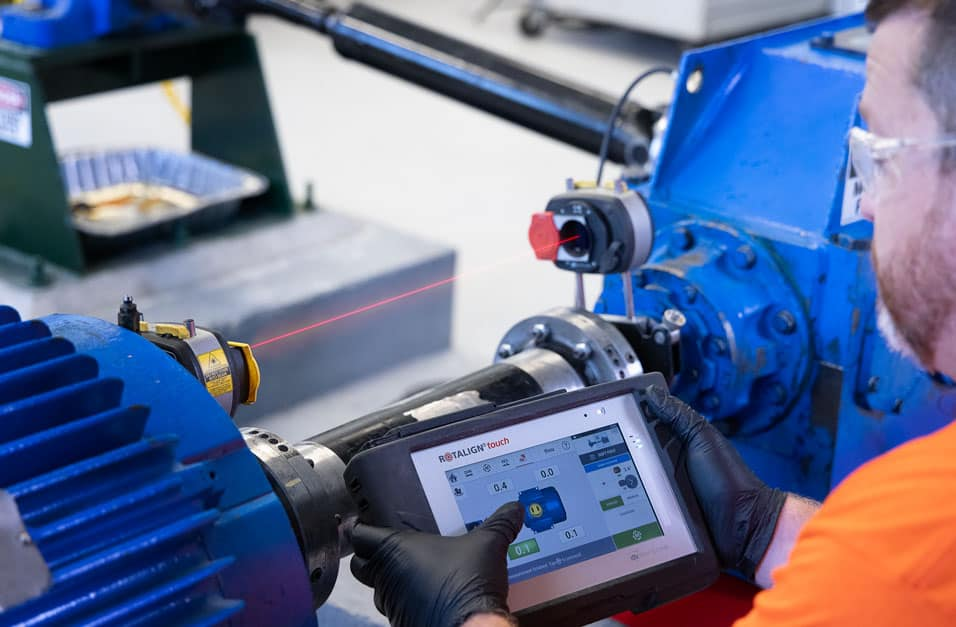
Increasing equipment longevity is one of the primary goals for entities that want to make sure they are deriving maximum value from their investments. The importance of remote tracking cannot be understated since it enables maintenance teams to identify the operating factors responsible for premature wear and tear. Many companies choose to invest in remote vibration monitoring services because vibration data can reveal hidden defects long before visible symptoms appear. Addressing concerns early reduces stress on critical components and supports smoother machine operation. Consistent monitoring also encourages more informed maintenance planning, helping organizations preserve equipment integrity over longer periods. Improved reliability ultimately strengthens productivity and lowers long-term ownership costs.
Data-Driven Insights Support Better Performance Optimization
Beyond simply detecting possible failure, remote monitoring systems help provide important insights into optimizing the performance of machines. Constant data gathering enables companies to understand any trends associated with their operation and take measures to make improvements. Data on the performance may help detect any inefficiencies, too much energy being used, or other factors influencing the quality of production. Such information helps engineers and maintenance professionals adjust machine settings and optimize their operations. Small adjustments over time may result in significant improvements and increased efficiency of production processes. Historical data about performance will also enable the analysis of the effectiveness of maintenance procedures performed by companies.
Remote Monitoring Enhances Safety and Resource Efficiency
Safety in the workplace is still an important aspect in industries where machines work under harsh working conditions. Remote tracking can contribute to improving safety by reducing the number of times one will have to do manual checks in hazardous places. One is able to analyze the status of machines from afar while getting notified of any problem that might put people’s lives in danger. Remote analysis also makes resource management easy because employees are only tasked with looking at machines that need attention. Employees no longer spend time analyzing functioning machines. Resource management leads to higher productivity.Remote monitoring has revolutionized how companies handle their industrial machinery. With features such as providing real-time information, facilitating predictive maintenance, increasing the lifespan of machinery, optimizing performance, and enhancing safety, the technology brings great benefits to businesses. Companies adopting remote tracking have the advantage of making informed decisions faster and saving on expenses related to maintaining the machines. Remote analysis technology will be a key player in the future as far as the performance optimization of machines is concerned.
