

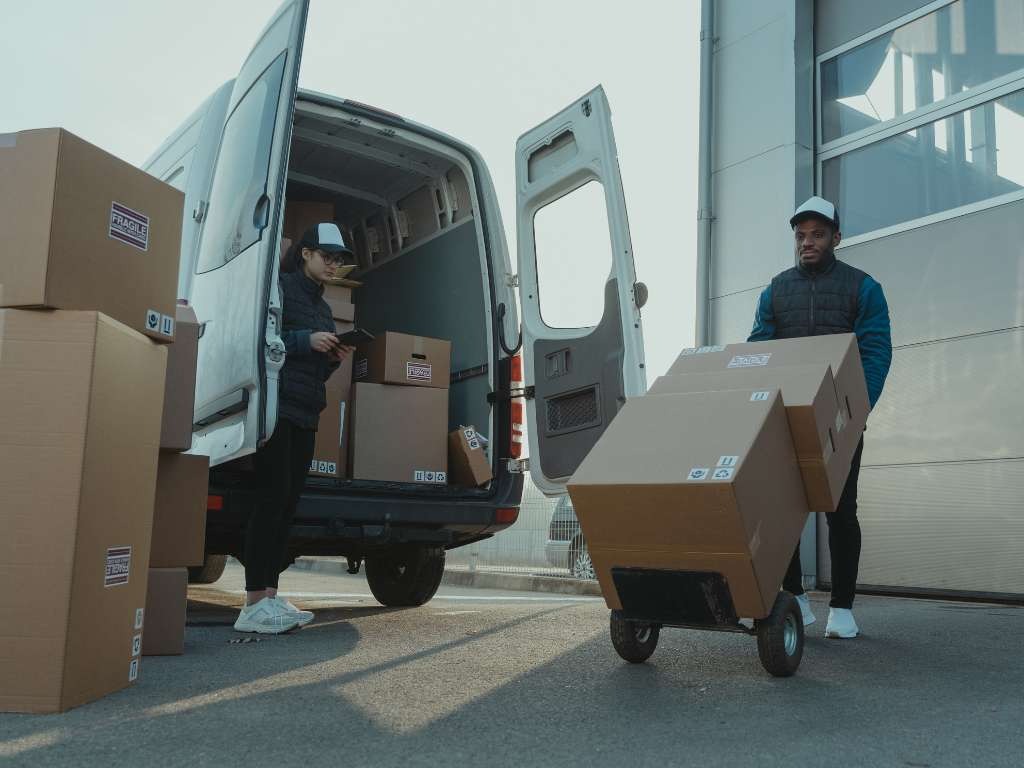
Global commerce is primarily facilitated through shipping and the majority of goods traded internationally are shipped via sea. Freight free forwarders play an essential role in the logistics or supply chain of international trade by handling the movement of goods across borders; however, in addition to providing a mode of transportation for cargo, freight forwarders also provide required documentation, develop processes for optimizing businesses’ internal transportation related processes, and streamline the flow of trade between corporations that are always changing to serve consumers better.
International maritime transport can be complex.
Maritime transport involves multiple stakeholders: shipowners, port authorities, customs agents, insurance companies and end customers. Each shipment must comply with strict regulations that may differ depending on which country the shipment originates in. Freight forwarders UAE play a pivotal role here by translating these requirements into concrete procedures for shippers – including anticipating delays, managing unforeseeable events and assuring traceability of goods – making their expertise invaluable in terms of preventing delays and extra costs incurred during transit.
Customs Formalities Can Be An Overwhelming Task
One of the biggest hurdles to maritime transportation is customs regulations. Each country imposes their own set of documentation, certificates of origin and safety compliance rules that freight forwarders must understand to avoid cargo from being delayed at borders and held up at borders – this role includes creating documents required by authorities as well as checking for accuracy before working closely with local authorities on coordination efforts to minimize disputes or delays in transport.
Controlling unplanned logistical events
Maritime transport can be exposed to various risks: weather conditions, port congestion, strikes, accidents and health crises. Freight forwarders and sea freight management companies must be capable of quickly responding to such events – either by rerouting cargo to another port or providing complementary modes of transport such as rail or road transport – offering alternative solutions in order to maintain resilience within international supply chains. Adaptability plays an integral part in their resilience.
Cost and time optimization
In the current globalised environment, freight forwarders are vital partners that assist businesses in reducing costs while providing timely service. Freight forwarders assist exporter as well as importers to keep their competitiveness in the international market by negotiating rates with freight companies; by consolidating shipments to achieve lower shipping costs; and by finding the most efficient routes for shipping. The expertise of freight forwarders allows both exporters and importers to remain cost competitive in the international market.
Digitization and traceability of flows
Digitalization has emerged as a key weapon against the challenges associated with maritime transport. Freight forwarders are turning to digital platforms to track cargo in real time, manage electronic documents more efficiently, and communicate more efficiently with partners – strengthening transparency and trust between stakeholders in the supply chain while making quick decisions should an incident occur.
New environmental requirements and sustainability
The shipping industry faces new and escalating pressures from the environment. As well as enforcing stricter requirements for shipping with respect to carbon emissions and cleaner fuels, international regulations are placing high expectations on freight forwarders to take these regulatory requirements into account when determining what shipping companies to use, optimize routes, and mitigate their overall impact on carbon footprints. Freight forwarders should attempt to strike a balance between their economic performance and environmental responsibility.
Risk and insurance management
Cargo transported by sea can be vulnerable to several risks: theft, damage and delay. Freight forwarders provide advice and assurances regarding appropriate insurance for their clients to cover potential problems with goods covered in case they arise – they also act as intermediaries between insurance providers and shippers, helping facilitate claims processes – this proactive risk management practice is essential to international trade security.
Human Skills at the Core of Your Profession
Freight forwarders are not just tech-savvy and knowledgeable of regulations; they also have to possess human-level skills like negotiating, communicating across cultures, managing crises, and having some level of technical ability. In addition to having to be familiar with each client’s particular needs, freight forwarders must also have the ability to predict trends in order to form successful partnerships with their logistics partners. This expertise that freight forwarders have pertains directly to how global trade is conducted.
Conclusion : Essential Players in Globalization
Freight forwarders meet the challenges of international maritime transport by combining regulatory expertise, adaptability, cost optimization and incorporation of new technologies. Freight forwarders act as invisible architects of global supply chains ensuring goods move efficiently despite obstacles. Their role has never been more vital as globalization relies heavily on trade flows – thanks to their expertise, freight forwarders help companies navigate international trade complexities more successfully and participate fully in global economic activities.
