

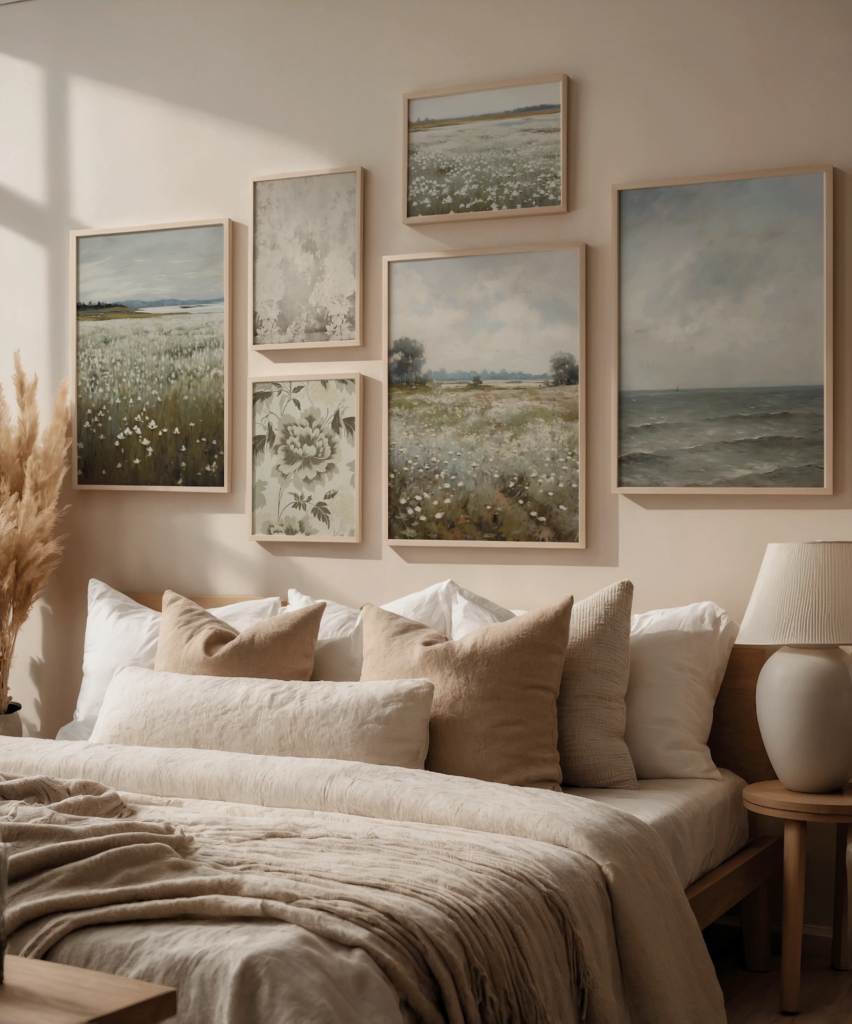
Matching artwork with furniture and décor is one of those things that sounds simple—until you’re actually standing in your living room wondering why something still feels “off.” The truth is, great interiors aren’t about perfectly matching pieces; they’re about creating relationships between elements. When artwork, furniture, and décor speak the same visual language, a space feels natural, lived-in, and thoughtfully designed rather than staged.
The good news is you don’t need a design degree to get it right. With a few practical principles and a bit of intuition, you can make art feel like it truly belongs in your home.
Start With the Feeling You Want the Room to Have
Before thinking about colors or sizes, think about mood. How do you want the room to feel when you walk into it? Calm and relaxed? Bold and energetic? Cozy and intimate?
Your furniture already sets part of that tone. A plush sofa, soft rugs, and warm lighting suggest comfort, while sleek furniture and clean lines lean modern and minimal. Artwork should reinforce that feeling, not fight it. If your space feels serene, overly loud art may feel disruptive. If your room is modern and bold, overly delicate artwork may feel underwhelming.
When art supports the emotional tone of a room, everything else starts to fall into place.
Let Furniture Guide Scale and Placement
One of the most common mistakes people make is choosing artwork that’s too small. Furniture gives you a clear visual cue for scale, especially sofas, beds, and consoles.
As a general rule, artwork should be about two-thirds the width of the furniture beneath it. This creates balance and prevents the art from looking like it’s floating awkwardly on the wall. Large furniture can handle large art—and often needs it.
If you’re working with smaller pieces, grouping them intentionally can be just as effective. A gallery-style arrangement above a sofa or sideboard can visually match the furniture’s presence while adding personality and rhythm.
Use Color as a Connector, Not a Copy
Matching doesn’t mean everything needs to be the same color. In fact, exact matches often feel flat. Instead, think in terms of connection.
Look at your furniture and décor and identify one or two recurring colors—maybe a warm wood tone, a soft beige, a deep green, or black accents. Artwork that includes hints of those tones will naturally feel connected to the space.
Art is also a great way to introduce a new accent color. A piece that brings in muted blues or terracotta tones can inspire pillows, throws, or small décor items, creating a subtle visual conversation throughout the room.
Balance Styles Instead of Forcing One Look
Not everything has to come from the same design category. Mixing styles often makes a space feel more human and less like a showroom.
Modern furniture pairs beautifully with expressive abstract art. Traditional furniture can feel refreshed with contemporary artwork. Even minimalist spaces benefit from art that adds warmth or texture.
The key is balance. If your furniture is very clean and structured, artwork with organic movement or texture adds interest. If your furniture is detailed or ornate, simpler art helps ground the space. Think of art as the counterpoint, not the echo.
Pay Attention to Materials and Texture
Furniture and décor aren’t just about color and shape—they’re also about texture. Leather, linen, wood, metal, glass—all of these materials influence how a room feels.
Artwork can mirror or soften those textures. In a space with a lot of hard surfaces, textured or painterly art adds warmth. In rooms filled with soft fabrics, clean-lined art or photography can add clarity and contrast.
Texture also becomes especially important in neutral rooms. When color is restrained, subtle variations in surface and finish help the space feel rich rather than bland.
Don’t Forget About Décor and Accessories
Artwork doesn’t live alone on a wall. It shares space with lamps, plants, books, rugs, and decorative objects. When these elements feel disconnected, the room feels cluttered. When they relate, the room feels intentional.
You don’t need everything to match the artwork, but small echoes help—similar tones, shapes, or materials repeated throughout the space. A ceramic vase that picks up a color from the art, or a throw that mirrors a soft hue, helps tie everything together naturally.
Trust Your Eye and Adjust Slowly
Sometimes something looks right on paper but feels wrong in real life. That’s normal. Interior design is visual and emotional, not just logical.
Live with your artwork for a few days. Try adjusting height, spacing, or nearby décor before deciding it doesn’t work. Often, small changes make a big difference.
If a piece truly doesn’t feel right, that doesn’t mean it’s bad—it may simply belong in a different room.
Bringing It All Together
Matching artwork with furniture and décor isn’t about rules—it’s about relationships. When scale feels balanced, colors feel connected, styles feel intentional, and textures complement each other, a room starts to feel whole.
Art should feel like it belongs in your space, not like it was added at the last minute. Thoughtfully curated pieces from MusaArtGallery are designed to work harmoniously with a wide range of interiors, making it easier to create spaces that feel cohesive, personal, and genuinely lived in.
At the end of the day, the best interiors aren’t perfect—they’re expressive. When your art and décor reflect how you live and what you love, your home will always feel right.
