

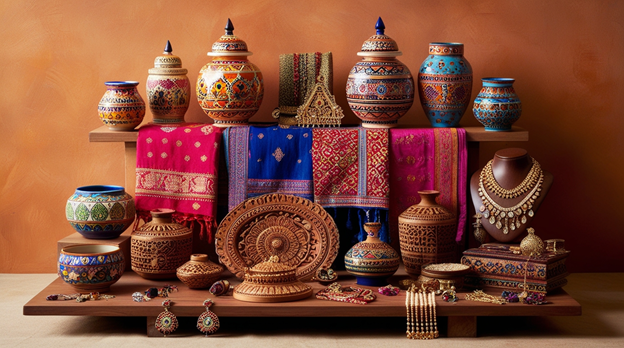
India’s handicraft industry is one of the most vibrant expressions of the country’s culture and heritage. With millions of highly skilled artisans spread across different regions, the sector produces an enormous variety of handcrafted products, ranging from textiles and embroidery to pottery, jewellery, metalwork, woodwork, carpets, and traditional artworks. These crafts form a crucial livelihood source for rural communities and have become a strong economic contributor over time.
The growing appeal of handicraft in india is supported by rising global demand and increasing recognition of handmade products. The sector employs more than seven million artisans and craftsmen and is deeply rooted in India’s cultural identity. Regions such as Surat, Bareilly, Varanasi, Jaipur, Agra, Lucknow, Chennai, and Mumbai are leading centers for unique handcrafted items, each reflecting distinctive skills and regional traditions.
Increasing Popularity and Market Expansion
India’s handicrafts market continues to grow steadily, driven by a combination of skilled workmanship, abundant natural resources, and evolving consumer preferences. Traditional crafts such as wooden artefacts, handwoven textiles, embroidered garments, artistic carpets, and metalwork hold significant commercial value. At the same time, modern buyers look for sustainable, eco friendly, and handcrafted alternatives, which aligns strongly with India’s artisanal traditions.
Digital platforms have played a major role in expanding the reach of Indian handicrafts. With the rise of e commerce, artisans and small scale producers can now connect directly with global consumers. Improved online visibility and logistics have created new market opportunities, especially for rural craft clusters. Tourism also contributes to the sector’s popularity as travelers often buy handcrafted souvenirs that represent India’s artistic diversity.
Export Growth and Global Recognition
India is one of the largest exporters of handmade goods, and export trends indicate consistent year on year growth. Key product categories include:
- Handmade carpets and rugs
- Wooden crafts and decorative items
- Embroidered textiles
- Art metal wares
- Imitation jewelry
- Fashion accessories
- Traditional and modern home decor items
The sector’s export performance highlights strong demand in markets such as the United States, the United Kingdom, the United Arab Emirates, and Europe. These regions value the authenticity, durability, and artistic appeal of Indian handcrafted items. Recent data shows significant rises in exports of handmade textiles, carpets, woodware, and embroidered articles, reflecting India’s leadership in global handicraft trade.
Additionally, new markets such as Australia, Southeast Asia, and parts of Africa are showing increasing appetite for Indian handmade goods. As preferences shift toward ethically produced and culturally inspired products, the reach of Indian artisans continues to expand internationally.
Government Support and Development Initiatives
The handicraft sector receives substantial support from various government programs designed to uplift artisans, modernize processes, and promote global outreach.
Key initiatives include:
National Handicraft Development Programme (NHDP)
This programme focuses on improving artisan capabilities through design training, color forecasting, technology upgrades, and market access. It aims to help artisans adapt to changing consumer demands while retaining traditional craftsmanship.
Comprehensive Handicrafts Cluster Development Scheme (CHCDS)
CHCDS supports clusters by providing modern infrastructure, raw material banks, design centers, and training facilities. The programme emphasizes product diversification, capacity building, and marketing support to improve competitiveness.
Export Promotion Measures
Policies aimed at easing export procedures, offering financial incentives, and supporting participation in international fairs and exhibitions help Indian artisans connect with global buyers. These events create valuable platforms for showcasing traditional and contemporary handcrafted products.
The government also invests in tools, machinery, and digital literacy programs that enhance the efficiency and confidence of artisans. By upgrading skills and providing better market connectivity, these initiatives support long term sectoral growth.
Export Destinations and Market Opportunities
Demand for Indian handicrafts continues to rise in established and emerging markets. Major export destinations include the USA, UK, UAE, Germany, France, and Italy. These countries account for a significant share of India’s total handicraft exports.
Australia and Southeast Asia have become strong new markets for handmade textiles, embroidered items, wooden decorative pieces, and fashion accessories. Growing appreciation for authenticity and sustainable craftsmanship ensures that Indian handicrafts maintain strong market relevance.
Outlook for the Future
The future of India’s handicraft sector is promising, shaped by digital adoption, global appreciation of handcrafted goods, and supportive government policies. As consumers increasingly seek meaningful, handmade, and sustainable products, Indian artisans are well-positioned to meet these expectations. Continued investments in design innovation, skill enhancement, and export promotion will further strengthen the industry’s global footprint.
With its deep cultural roots, exceptional craftsmanship, and rising market demand, India’s handicraft sector is set for significant growth in the years ahead.
