

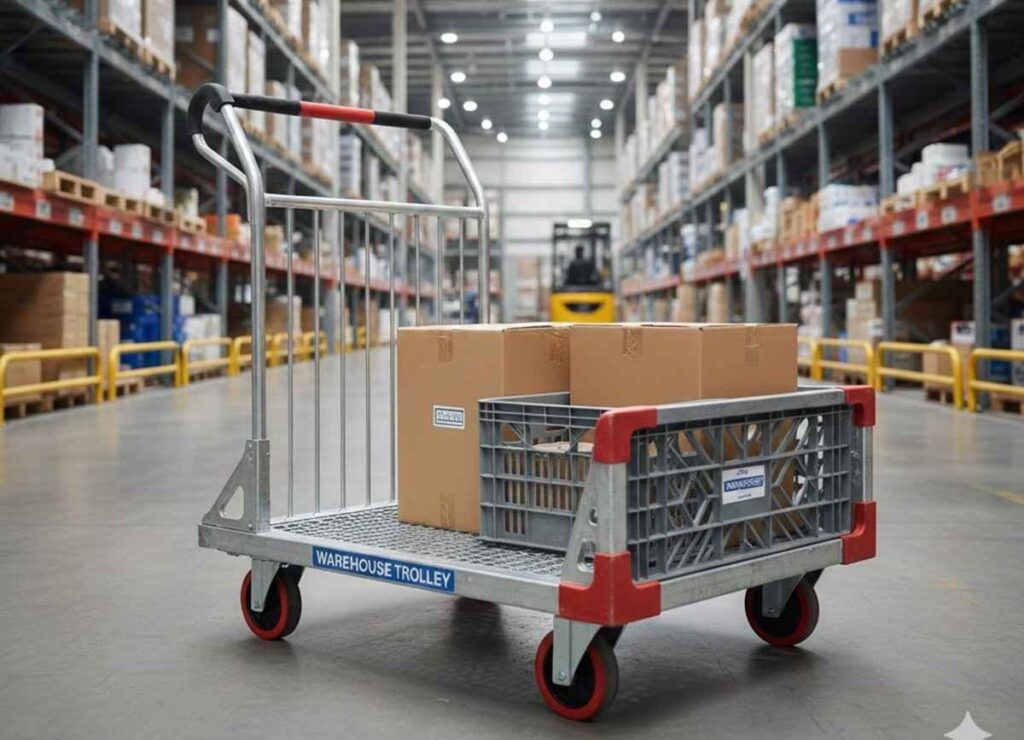
Warehouse Trolley Malaysia is essential in modern logistics, helping move goods efficiently while reducing manual labor. A key factor often overlooked is load capacity, which determines the weight a trolley can safely carry. Ignoring it can damage the trolley, goods, or even risk the operator’s safety. Understanding load capacity is vital for businesses aiming for safety, efficiency, and long-term savings.
Selecting the right trolley based on load limits prevents downtime from accidents or equipment failure. In Malaysian warehouses, where fast-paced handling is common, knowing these limits is crucial. Proper load management helps optimize workflow and comply with safety standards. This ensures smooth, safe, and productive warehouse operations.
Why Load Capacity Matters?
Load capacity is a critical factor in warehouse operations for several reasons. First, it ensures the safety of the warehouse staff. Overloading a trolley can lead to tipping, collapsing, or mechanical failure, which may result in injuries. Using a Warehouse Trolley Malaysia within its designated capacity offers stability and smooth movement, allowing workers to transport goods efficiently.
Second, load capacity affects the longevity of the trolley. Excessive weight can strain the wheels, frames, and handles, leading to frequent repairs or early replacement. This not only increases maintenance costs but can also interrupt warehouse operations. For businesses in Malaysia, adhering to load capacity ensures smoother processes, reduces operational risks, and safeguards investments in material handling equipment.
Factors Affecting Load Capacity
1. Trolley Material
The material of the trolley frame significantly impacts its load capacity. Steel trolleys generally support heavier weights compared to aluminum or plastic alternatives. The durability of the material determines how well it can handle repeated stress from heavy loads without bending or breaking.
2. Wheel Type
Wheels play a crucial role in distributing weight. Rubber wheels offer shock absorption, while polyurethane wheels provide durability and can handle rough warehouse floors. The size, number, and type of wheels affect the overall load capacity and maneuverability of the trolley.
3. Trolley Design
The design and structure of a trolley influence its strength. Reinforced frames, crossbars, and well-balanced platforms improve weight distribution, enhancing the trolley’s ability to carry heavier items safely. Choosing the right Warehouse Trolley Malaysia with strong structural design ensures long-lasting performance and reduces the risk of accidents.
4. Load Distribution
Even if a trolley is rated for a certain weight, unevenly distributed loads can reduce its effective capacity. Concentrating heavy items on one side can cause tipping or wheel damage. Proper placement of goods is essential for maintaining the trolley’s integrity.
5. Environmental Factors
Floor conditions, inclines, and temperature can affect load capacity. For instance, wet or uneven floors may reduce traction, making it unsafe to carry maximum loads. High temperatures can weaken plastic components, limiting weight tolerance.
Calculating Load Capacity
Calculating the load capacity of a warehouse trolley involves considering both the manufacturer’s specifications and the actual working conditions. Start by checking the maximum weight rating provided by the manufacturer. Then assess the types of loads, their distribution, and the handling environment. Using a Warehouse Trolley Malaysia appropriately within calculated limits ensures maximum safety and efficiency.
A simple formula is to consider the total weight of goods plus any additional weight, such as packaging or equipment. Always include a safety margin, typically 10-20% below the maximum rating, to prevent accidental overloading. By calculating load capacity accurately, warehouse operators can optimize trolley usage, maintain safety standards, and reduce the risk of damage to both trolleys and inventory.
Types of Warehouse Trolley
Warehouse trolleys are essential tools for improving efficiency and safety when moving goods within storage or production areas. Different types of trolleys are designed to handle specific tasks based on load size, shape, and operational needs.
- Platform Trolley: Flat surfaces suitable for moving large or heavy items across short distances. Ideal for warehouses handling bulky products.
- Foldable Trolley: Compact and lightweight, perfect for small-scale operations where storage space is limited.
- Utility Trolley: Multi-shelf design that allows transport of multiple items at once, increasing efficiency in picking and packing.
- Drum Trolley: Specifically designed to handle heavy drums or barrels safely without tipping.
- Conveyor Trolley: Equipped with rollers to assist in moving goods along assembly lines or conveyor systems.
Safety Tips for Handling Loads
Handling loads safely is essential to prevent accidents and ensure efficient operations in any warehouse environment. Follow these key tips when using a Warehouse Trolley Malaysia.
1. Do Not Overload
Always adhere to the manufacturer’s specified load capacity when using a Warehouse Trolley Malaysia. Overloading can cause tipping, wheel failure, or structural damage, creating serious hazards. Evaluate the weight of each item and make multiple trips when necessary to maintain safety.
2. Proper Load Distribution
Place heavier items at the bottom to lower the center of gravity and increase overall stability. Spread all items evenly across the trolley to avoid imbalance or unexpected tipping while moving. Correct stacking and distribution ensure smooth movement and safer handling of goods.
3. Use Correct Lifting Techniques
Bend at the knees, keep your back straight, and lift using your legs when placing items on the trolley. Avoid twisting or rushing during the lift, as this can cause serious strain or injury. Proper lifting techniques protect both the operator and the Warehouse Trolley Malaysia from damage.
4. Check Wheels and Handles
Inspect wheels for smooth movement and handles for stability before each use to ensure safe handling. Damaged wheels or loose handles reduce maneuverability and may cause accidents or tipping. Regular inspections keep the Warehouse Trolley Malaysia reliable and fully functional for daily operations.
5. Clear Pathways
Make sure warehouse floors are free from debris, spills, or obstacles before moving any load. Clear, unobstructed pathways allow the trolley to move safely without tipping or collisions. Maintaining clean routes ensures that your Warehouse Trolley Malaysia can handle its full load efficiently.
3D-Tube: Quality You Can Trust
When it comes to reliable warehouse solutions, 3D-Tube stands out as a trusted partner in LEAN manufacturing. Known for their durable and high-quality products, their trolleys are designed to meet demanding warehouse requirements in Malaysia. Each trolley is engineered to handle optimal load capacity while maintaining stability and safety.
Their commitment to quality ensures that businesses can rely on 3D-Tube for consistent performance. Whether it’s a Logistic Trolley for daily operations or specialized trolleys for specific applications, it provides solutions that support efficiency, safety, and cost-effectiveness. With 3D-Tube, warehouse operators can focus on productivity without worrying about equipment failure.
Conclusion
Understanding load capacity is essential for safe and efficient Warehouse Trolley Malaysia operations. By considering factors such as trolley material, wheel type, design, load distribution, and environmental conditions, businesses can select trolleys that maximize performance while minimizing risks. Accurate calculation of load capacity ensures that trolleys are used within safe limits, protecting both employees and goods.
Investing in high-quality trolleys from trusted brands like 3D-Tube further enhances operational efficiency. By following safety tips and maintaining equipment properly, Malaysian warehouses can achieve a balance between productivity and workplace safety. Proper attention to load capacity not only safeguards assets but also contributes to a more streamlined, professional, and reliable logistics operation.
