

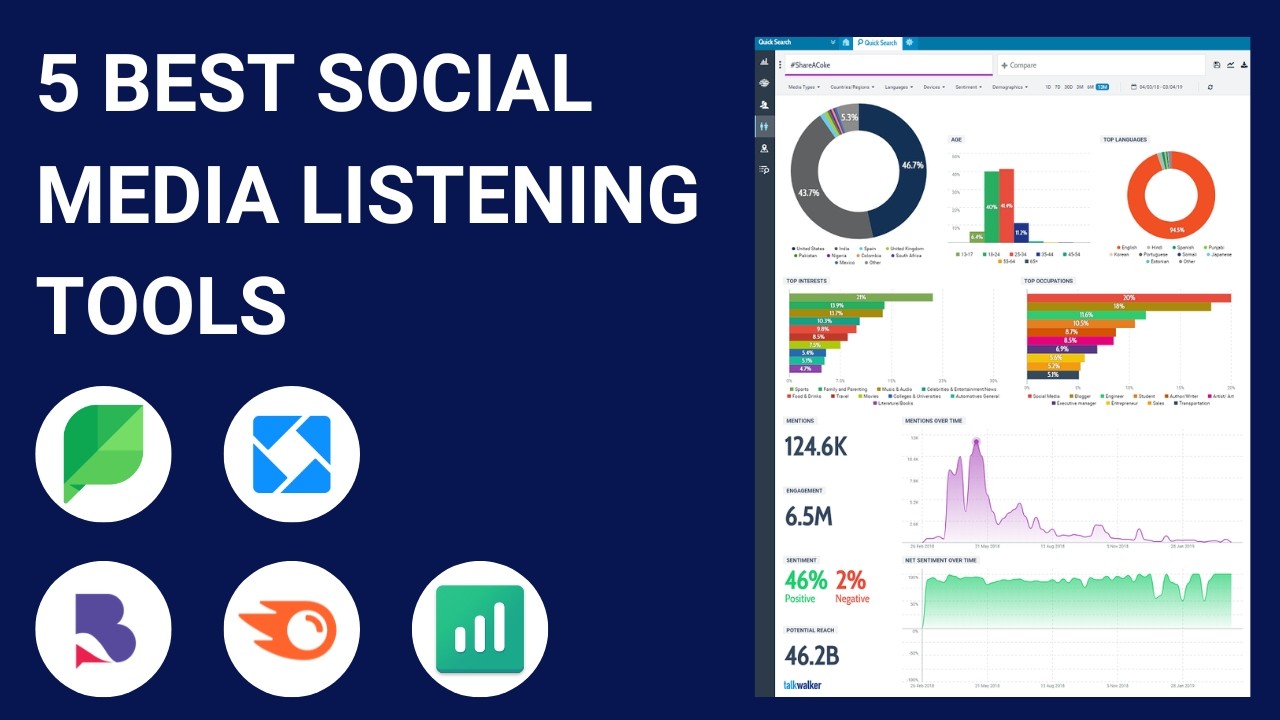
Social media is like this gigantic ocean of info that brands can dip into anytime they want. Billions of posts, comments, reviews, hashtags, and reactions are popping up every single day. And honestly, each tiny piece of it has something to say about people — what they like, what annoys them, what they think of brands, what trends they follow, and tons more.
Because this data pool is so huge (and honestly overwhelming), companies use something called social media analytics to make sense of it all.
Defining social media analytics
So, what exactly is social analytics?
Social analytics (or social media insights) is basically the process of collecting, measuring, and understanding data from different social platforms. It helps brands see how their posts and campaigns perform, how the audience behaves, and how strong their overall presence is.
At the basic level, social media analytics includes metrics like:
- Likes
- Shares
- Comments
- Clicks
- Audience reach
- Conversions
But there’s also a deeper side to it. Advanced tools — especially ones powered by AI and machine learning — can figure out things like:
- Long-term engagement patterns
- Sentiment and emotion behind comments
- Predictive customer behavior
- Probability of repeat purchases
- Influencer and community impact
- Chances of content going viral
This stuff usually needs NLP, machine learning models, and big-data systems running in the background. A lot of these improvements come from the rapid growth of AI in social media, making insights richer and easier to act on.
Why social media analytics matters
Social media analytics isn’t just checking likes or followers. It’s an actual strategy that helps businesses make smarter choices.
1. Analyzing the Competitive Landscape
Analytics lets brands understand what their competitors are doing by checking:
- Their posts
- Industry-wide sentiment
- Share of voice
- Their positioning and messaging
With comparison dashboards, a company can instantly see where it stands versus others.
2. Improving Organizational Productivity
Social analytics tools help companies:
- Summarize customer feedback
- Spot repeating issues
- Understand product perception
- Prioritize what to fix
Using analytics and social listening tools together helps organizations detect weaknesses early so they can improve productivity faster.
3. Enhancing Customer Reach & Engagement
Analytics helps brands look closely at:
- Customer journeys
- Browsing and engagement trends
- Content preferences
- Audience groups and segments
This means brands can improve engagement, increase reach, and keep customers around for longer.
4. Improving Product Quality
People on social media talk openly — sometimes too openly — about products. Analytics helps brands find:
- Product issues
- Feature requests
- Pain points
- User experience problems
This raw, unfiltered feedback helps improve product design and quality.
5. Supporting Strategic Decision-Making
With analytics, businesses can make decisions based on actual data, like:
- Emerging trends
- Forecasted demand
- Campaign performance
- High-value feature responses
This makes decision-making faster, more accurate, and honestly just smarter.
6. Conducting Sentiment Analysis
Sentiment analysis uses NLP to break user comments down into:
- Positive
- Negative
- Neutral
This helps brands understand how customers feel, not just what they say. It also supports:
- Predicting satisfaction
- Spotting crises early
- Responding faster to issues
Where businesses use social media analytics data
Social media analytics isn’t just for marketing teams — it supports almost every area of business.
1. Marketing Strategy Development
Analytics helps marketers:
- Understand audience demographics
- Track trends and hashtags
- See what content works
- Improve targeting
This leads to more relevant and personalized campaigns.
2. Customer Service Optimization
Brands can monitor mentions and conversations to:
- Detect complaints early
- Spot service gaps
- Improve response times
- Build stronger customer relationships
Social listening is now a major part of support teams.
3. Product Development & Innovation
Real-time conversations help companies:
- Identify unmet needs
- Understand product flaws
- Predict future demands
- Brainstorm new ideas
Social media is basically a huge research lab now.
4. Brand Reputation Management
Teams track:
- Mentions
- Hashtags
- Media coverage
- Influencer chatter
This helps them react fast to negative sentiment.
5. Competitive Benchmarking
Analytics helps compare:
- Engagement rates
- Content effectiveness
- Audience growth
- Sentiment levels
- Share of voice
This shows companies exactly where they need to improve.
6. Market Research & Trend Identification
Social conversations reveal:
- Cultural trends
- Behavioral shifts
- Viral topics
- New industry opportunities
These insights support long-term business planning.
Tips for using social media analytics effectively
Collecting data is cool, but it’s only useful when you actually apply it. Here’s how to get the most out of it.
1. Start With Clear Goals and KPIs
Metrics shouldn’t come first — goals should.
Examples:
- Get 2,000 new followers in 6 months
- Increase CTR by 5%
- Boost ROAS by 10%
Know what success means before you start analyzing.
2. Prioritize Personalization
People want content that feels like it’s made just for them.
Analytics lets you:
- Segment audiences
- Personalize posts
- Spot content preferences
- Run A/B tests
More personalized content = better engagement and ROI.
3. Identify the Best Time to Post
Analytics helps you figure out:
- Peak engagement days
- Best posting hours
- Seasonal patterns
Posting at the right time can make a huge difference.
4. Compare Content & Hashtag Performance Across Platforms
Different platforms attract different crowds. Analytics shows:
- Which hashtags work where
- What topics do people like
- Which formats get the best engagement
- Which channels need adjustment
This helps optimize your presence everywhere.
5. Automate Success, Fix Weak Spots Manually
Automation is great when:
- Content performs consistently
- Engagement is stable
- AI-generated posts are working
But when something is performing poorly, human creativity is still needed.
6. Monitor & Learn From Competitors
Competitor analytics reveals:
- What content works for them
- How their audience behaves
- What gaps your brand can fill
This helps you stay ahead.
Conclusion: The strategic power of social media analytics
Social media analytics is both technical and creative. On the technical side, it includes big data, machine learning, NLP, and real-time tracking. On the strategic side, it helps brands understand audiences, improve campaigns, upgrade products, manage their reputation, and make better decisions overall.
In a world driven by constant online conversation, analytics is no longer optional — it’s a core part of marketing, customer experience, and staying ahead of the competition.
Brands that invest in strong analytics tools will always have an edge: they gain deeper insights, build stronger relationships, and grow smarter.
Sources:
https://www.sprinklr.com/blog/ai-in-social-media
https://www.geeksforgeeks.org/machine-learning/what-is-sentiment-analysis
https://digitalmarketinginstitute.com/blog/how-do-social-media-algorithms-work
