

A reliable air conditioning system isn’t just a luxury—it’s essential for maintaining comfort, especially in regions that experience long, hot summers. But like any major home system, your AC unit won’t last forever. Knowing when to repair versus when to replace can save you money, improve efficiency, and ensure your home stays consistently cool.
If you’ve been dealing with frequent breakdowns or rising energy bills, it might be time to consider whether upgrading your system is the smarter long-term solution.
Understanding the Lifespan of an AC System
Most residential air conditioning systems are designed to last between 10 and 15 years. However, this lifespan can vary depending on usage, maintenance, and environmental conditions.
Factors That Affect Longevity
- Frequency of use (especially in hotter climates)
- Quality of installation
- Regularity of maintenance
- Exposure to dust, debris, and outdoor elements
Even if your system is still running, older units often operate far less efficiently than newer models, which can quietly increase your monthly expenses.
Signs It May Be Time for a Replacement
Sometimes the warning signs are obvious—but other times, they’re easy to overlook. Recognizing these indicators early can help you avoid sudden system failure during peak heat.
Common Red Flags
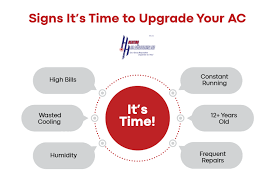
- Frequent repairs: If you’re calling for service multiple times a year, costs can quickly add up.
- Inconsistent cooling: Hot and cold spots throughout your home may signal system inefficiency.
- Rising energy bills: Older units consume more power to deliver the same results.
- Unusual noises or odors: These can indicate internal wear or component failure.
- Outdated refrigerant: Systems using older refrigerants may be more expensive to maintain.
If you’re noticing one or more of these issues, replacement may be more cost-effective than continued repairs.
The Benefits of Installing a New AC System
Upgrading your air conditioning system isn’t just about avoiding breakdowns—it’s about improving your overall home experience.
Improved Energy Efficiency
Modern AC systems are designed with advanced technology that uses less energy while delivering better cooling performance. This translates into lower utility bills and a reduced environmental impact.
Enhanced Comfort and Control
New systems offer more precise temperature control, improved airflow, and better humidity regulation. Many also integrate with smart thermostats, allowing you to manage your home’s climate from your phone.
Quieter Operation
Older systems often become noisy over time. Newer models are engineered to operate more quietly, making your indoor environment more peaceful.
Fewer Repairs and Lower Maintenance Costs
A new system reduces the likelihood of unexpected breakdowns and costly repairs, especially during the hottest months when HVAC companies are busiest.
Choosing the Right System for Your Home
Not all AC systems are created equal. Selecting the right unit involves more than just picking a brand—it requires careful consideration of your home’s size, layout, and cooling needs.
Key Considerations
- System size: An oversized or undersized unit can lead to inefficiency and uneven cooling.
- Energy efficiency rating (SEER): Higher ratings indicate better efficiency.
- Home insulation: Proper insulation supports system performance.
- Ductwork condition: Leaky or damaged ducts can reduce efficiency.
Working with experienced professionals ensures your new system is properly sized and installed for optimal performance.
Why Professional Installation Matters
Even the most advanced AC unit won’t perform well if it’s installed incorrectly. Proper installation is critical to achieving the efficiency, comfort, and lifespan you expect from your investment.
What Professional Installation Includes
- Accurate load calculations for your home
- Proper system sizing and placement
- Secure and efficient duct connections
- Calibration for optimal performance
- Safety checks and testing
For homeowners exploring their options, learning more about new ac installation Midland TX can provide helpful guidance on what to expect from a professional installation process and how to make the right choice for your home.
Repair vs. Replace: A Simple Rule of Thumb
If you’re unsure whether to repair or replace your AC system, a general guideline can help.
The 50% Rule
If the cost of a repair is more than 50% of the cost of a new system—and your unit is nearing the end of its lifespan—replacement is often the better investment.
This approach helps you avoid putting significant money into a system that may continue to require repairs in the near future.
Planning Ahead Saves Stress
One of the biggest mistakes homeowners make is waiting until their AC system completely fails before considering replacement. Emergency replacements often come with added stress, limited options, and rushed decisions.
Benefits of Planning Early
- More time to research and compare options
- Ability to schedule installation at your convenience
- Potential access to seasonal promotions or discounts
- Reduced risk of being without cooling during extreme heat
Taking a proactive approach allows you to make a well-informed decision without the pressure of an urgent situation.
Long-Term Value of an AC Upgrade
While installing a new AC system requires an upfront investment, the long-term benefits often outweigh the initial cost.
What You Gain
- Lower monthly energy bills
- Increased home value
- Improved indoor comfort
- Greater reliability and peace of mind
Over time, these advantages can make a significant difference in both your finances and your quality of life.
Conclusion: Invest in Comfort and Efficiency
Your air conditioning system plays a vital role in your home’s comfort, especially during the hottest times of the year. Recognizing when it’s time to upgrade—and making that decision proactively—can help you avoid costly repairs, reduce energy usage, and enjoy a more comfortable living environment.
By choosing the right system and ensuring professional installation, you’re not just replacing an appliance—you’re investing in long-term comfort, efficiency, and peace of mind.
