

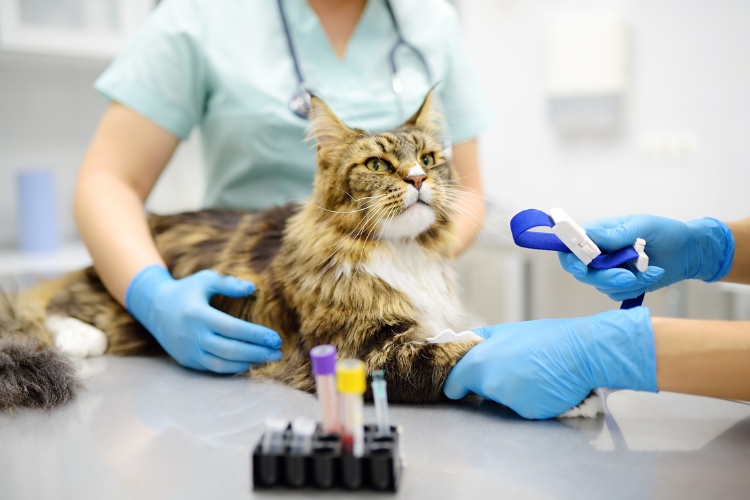
You know your pet’s normal better than anyone, and having support from an animal hospital in West Grove can help when something feels off. You notice when dinner sits untouched, when the usual sprint to the door turns into a slow walk, when a cat who always jumped to the window suddenly stays on the floor. That kind of change can feel small at first, easy to explain away as age, stress, or a random off day. The hard part is that many serious health problems start exactly like that, quietly and without much warning.
Routine testing is not about looking for trouble where there is none. It is about catching disease before your pet is in pain, before treatment gets harder, and before you are faced with a crisis that seemed to come out of nowhere. Preventive pet diagnostics help your veterinarian spot hidden problems, track changes over time, and make decisions based on facts instead of guesswork.
Routine diagnostics catch hidden illness before symptoms get loud
Pets are good at masking discomfort. Dogs still wag their tails when they are not feeling right. Cats often hide illness until they are truly struggling. By the time obvious signs show up, a condition may already be advanced. That is one of the clearest reasons routine diagnostics save pets’ lives.
Bloodwork, urine testing, fecal exams, and heartworm screening can reveal issues long before you would see them at home. Kidney disease, diabetes, thyroid problems, liver changes, anemia, parasites, and some infections often start with subtle shifts inside the body. Those shifts show up on tests first.
A senior cat might seem to be “just drinking more water,” but lab work may show early kidney disease or hyperthyroidism. Cornell’s Animal Health Diagnostic Center outlines how endocrine testing helps identify hormone disorders that can affect weight, thirst, energy, and appetite. A dog who seems a little tired during walks may have early heartworm disease, anemia, or a metabolic issue that does not yet look dramatic from the outside.
When disease is found early, treatment usually starts sooner, and that often means better comfort, lower risk, and more time.
General veterinarian testing lowers the risk of emergency care
Emergency visits are frightening, and they are expensive. Many pet owners know the feeling of watching symptoms escalate overnight and wondering whether they missed something. In many cases, the issue was not obvious. That is exactly why regular diagnostic care matters.
A routine pet health screening gives your general veterinarian a baseline. That baseline is powerful. If your pet gets sick later, your veterinarian can compare current results to past values and see what changed. A “normal for your pet” record can help catch trends that a single one time test might not explain.
That matters with chronic disease, but it also matters with fast moving problems. A mild elevation in kidney values one year may become a clear signal the next. A slight change in thyroid function may explain weight loss before the heart and blood pressure are affected. A stool test may catch intestinal parasites before your pet loses condition or before infection spreads in the home. The Centers for Disease Control and Prevention also offers guidance on healthy pets and people, including ways routine care helps reduce illness risks that can affect both animals and humans.
People often think diagnostics are only for sick pets. They are also for pets who seem fine, especially puppies, kittens, seniors, and pets with known risk factors. Age changes the picture. Breed can change the picture. Even indoor pets are not exempt from parasites, dental disease, hormone shifts, or organ changes.
Routine veterinary diagnostics often reduce long term costs
No one likes adding another line item to the family budget, and vet care decisions are often made under real financial pressure. That stress is real. Routine testing can feel easier to postpone when your pet seems normal. The problem is that delayed diagnosis often leads to more visits, more intensive treatment, and fewer options.
Early kidney disease may be managed with diet, hydration support, and monitoring. Advanced kidney failure often means hospitalization and a much harder road. Diabetes found earlier may be stabilized before severe weight loss or ketoacidosis develops. Parasites caught on a routine fecal test are usually much simpler to treat than the dehydration, anemia, or household spread that can come later.
| Situation | Routine Diagnostics | Waiting for Clear Symptoms |
| Kidney disease | May be found on screening bloodwork and urinalysis before major decline | Often appears after increased thirst, weight loss, vomiting, or weakness |
| Thyroid or hormone disorders | Can be flagged through lab testing when changes are still mild | May progress to marked weight loss, blood pressure issues, or behavior changes |
| Intestinal parasites | Fecal testing may catch infection before major symptoms | Can lead to diarrhea, poor growth, anemia, and spread to other pets |
| Overall cost pattern | Usually more predictable and easier to plan for | Often tied to urgent visits, added testing, and more aggressive treatment |
Small steps make routine diagnostics easier to keep up with
Schedule around life, not around symptoms. Book wellness exams and screening tests before your calendar fills up. Annual visits are common for many healthy adult pets, and seniors or pets with health conditions may need testing more often. If you wait until something feels wrong, you lose the advantage of prevention.
Track the small changes you see at home. Write down changes in thirst, appetite, bathroom habits, weight, energy, breath, and behavior. These details help your veterinarian decide which tests make sense. “He just seems off” is a real concern, and notes make it easier to connect that feeling to a medical plan.
Ask what baseline testing fits your pet’s age and risk. A young healthy pet may need a different plan than a senior cat, a large breed dog, or a pet on long term medication. General veterinarian care works best when it is tailored. Basic bloodwork, urinalysis, fecal testing, heartworm screening, and parasite prevention checks are common starting points.
Routine care gives pets a better chance
Most people do not regret checking too soon. They regret the moments when a quiet problem had more time to grow. Routine diagnostics for pets are one of the clearest ways to protect your pet’s health without waiting for a crisis to force the issue.
If your pet is due for a wellness visit or has been acting a little different lately, schedule an appointment with a general veterinarian and ask about routine diagnostic testing. Early answers can change the whole course of care.
