

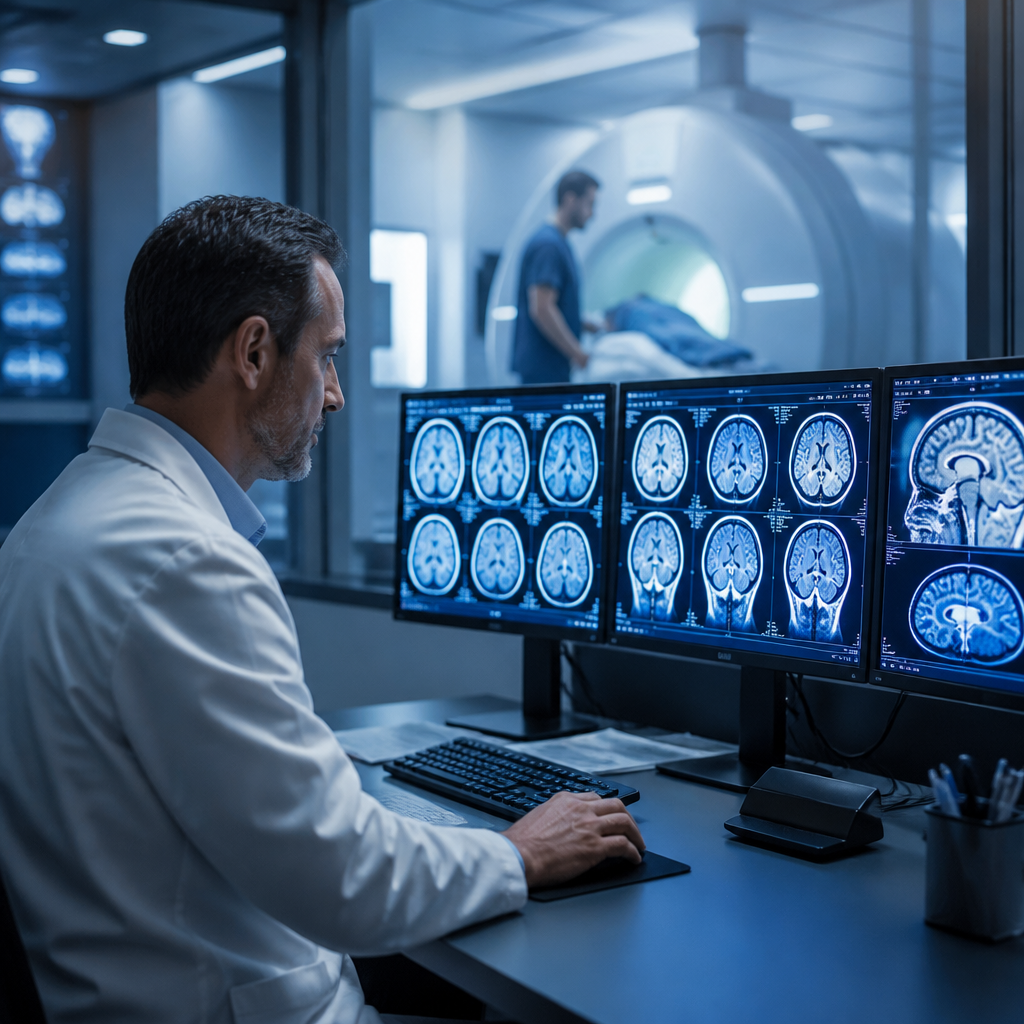
Modern medicine has transformed the way neurological conditions are detected, diagnosed, and treated. At the heart of this transformation lies neuroradiology — a specialized branch of radiology that uses advanced imaging technologies to examine the brain, spine, and nervous system with extraordinary precision. As healthcare systems around the world evolve, patients are increasingly seeking institutions that combine cutting-edge diagnostic capabilities with comprehensive, integrated care. Understanding what neuroradiology offers, how it connects to broader multispecialty services, and what to look for in a healthcare provider can make a meaningful difference in patient outcomes.
What Is Neuroradiology and Why Does It Matter?
Neuroradiology is a subspecialty of radiology focused on diagnosing and, in some cases, treating disorders of the central and peripheral nervous system. Using imaging modalities such as MRI, CT scans, PET imaging, and angiography, neuroradiologists can identify conditions ranging from brain tumors and strokes to spinal cord injuries and vascular malformations. The field has grown exponentially over the past two decades, driven by improvements in imaging resolution, artificial intelligence-assisted analysis, and minimally invasive interventional techniques.
The significance of neuroradiology cannot be overstated. Many neurological conditions — including aneurysms, multiple sclerosis, and early-stage gliomas — present with subtle symptoms that are difficult to detect through physical examination alone. High-resolution imaging allows clinicians to visualize structural and functional changes in the nervous system before they become life-threatening, enabling timely intervention and significantly improving prognosis.
Diagnostic vs. Interventional Neuroradiology
Neuroradiology is broadly divided into two categories: diagnostic and interventional. Diagnostic neuroradiology focuses on interpreting imaging studies to identify pathology, while interventional neuroradiology involves minimally invasive procedures performed under imaging guidance — such as coiling of cerebral aneurysms, thrombectomy for acute stroke, or vertebroplasty for spinal fractures. Both disciplines require years of specialized training and access to state-of-the-art equipment, which is why choosing the right facility is critical for patients with complex neurological needs.
The Role of Multispecialty Hospitals in Neurological Care
Neurological conditions rarely exist in isolation. A patient presenting with a brain tumor may also require oncology, neurosurgery, rehabilitation medicine, and psychological support. This is where multispecialty hospitals play an indispensable role. By housing multiple disciplines under one roof, these institutions enable seamless coordination between specialists, reducing delays in diagnosis and treatment while improving the overall patient experience.
For patients seeking comprehensive neurological care, institutions that integrate neuroradiology with neurology, neurosurgery, and rehabilitation services offer a distinct advantage. Collaborative tumor boards, shared electronic health records, and co-located imaging suites allow specialists to communicate in real time, ensuring that every decision is informed by the most complete clinical picture available. If you are evaluating your options, exploring a trusted multispeciality hospital can provide insight into what integrated, patient-centered care looks like in practice.
Technology as the Backbone of Modern Neurological Diagnosis
The technological infrastructure of a hospital directly influences the quality of neurological diagnosis. Facilities equipped with 3-Tesla MRI machines, functional MRI capabilities, diffusion tensor imaging, and advanced CT angiography can detect pathologies that older equipment might miss entirely. Additionally, AI-powered image analysis tools are increasingly being integrated into neuroradiology workflows, helping radiologists identify subtle anomalies with greater speed and accuracy. Patients should not hesitate to ask about the imaging technology available at any facility they are considering.
Cleveland Clinic Abu Dhabi: A Leader in Neuroradiology in the Region
For patients in the UAE and across the broader Middle East region, access to world-class neuroradiology has historically required international travel. That landscape has changed significantly. Cleveland Clinic Abu Dhabi has established itself as a premier destination for neurological imaging and diagnosis, bringing internationally trained specialists and advanced technology to the region. Patients seeking neuroradiology services abu dhabi can now access the same standard of care associated with one of the world’s most respected medical institutions, without leaving the country.
The neuroradiology program at Cleveland Clinic Abu Dhabi encompasses both diagnostic and interventional services, supported by a multidisciplinary team that collaborates closely with neurology, neurosurgery, and oncology departments. This integrated approach ensures that imaging findings are translated into actionable clinical decisions with minimal delay — a factor that can be life-saving in conditions such as acute ischemic stroke, where every minute of treatment delay has measurable consequences.
Patient-Centered Imaging: Beyond the Scan
What distinguishes exceptional neuroradiology programs from adequate ones is not just the quality of the images produced, but the clinical context in which those images are interpreted. A skilled neuroradiologist does not simply describe what they see — they synthesize imaging findings with the patient’s clinical history, laboratory results, and prior studies to generate a differential diagnosis that guides the treating team. This consultative role is increasingly recognized as essential to high-quality neurological care, and it is a hallmark of programs that prioritize patient outcomes over throughput.
Oral and Maxillofacial Surgery: An Unexpected Connection to Neurological Imaging
While neuroradiology is primarily associated with brain and spine conditions, its scope extends to structures of the head and neck that intersect with oral and maxillofacial surgery. Conditions such as temporomandibular joint disorders, salivary gland tumors, and jaw cysts often require MRI or CT imaging for accurate characterization. Understanding the full scope of oral surgical conditions — including when imaging is necessary — is important for both patients and referring clinicians. For a comprehensive overview of what oral surgery involves and when it may be required, this detailed guide to oral surgery offers valuable foundational information.
When to Seek a Neuroradiology Consultation
Patients are often unsure when a referral to neuroradiology is appropriate. Common indications include persistent or severe headaches, unexplained neurological symptoms such as weakness or numbness, seizures, memory loss, suspected stroke, or a known history of neurological disease requiring monitoring. In many cases, a primary care physician or neurologist will initiate the referral, but patients who have concerns about their neurological health should feel empowered to ask their doctors whether imaging is warranted. Early detection consistently leads to better outcomes across virtually every neurological condition studied.
Conclusion: Investing in Neurological Health
Neurological health is foundational to quality of life. The brain and nervous system govern every aspect of human function — from movement and sensation to cognition and emotion. Investing in access to high-quality neuroradiology services is not a luxury; it is a fundamental component of responsible healthcare. Whether you are managing a known neurological condition, seeking a second opinion, or simply prioritizing preventive care, choosing a facility with proven expertise in neurological imaging and a commitment to integrated, patient-centered care is one of the most important decisions you can make. The availability of world-class neuroradiology services in Abu Dhabi represents a significant advancement for patients across the region, bringing precision diagnostics and compassionate care closer to home.
