

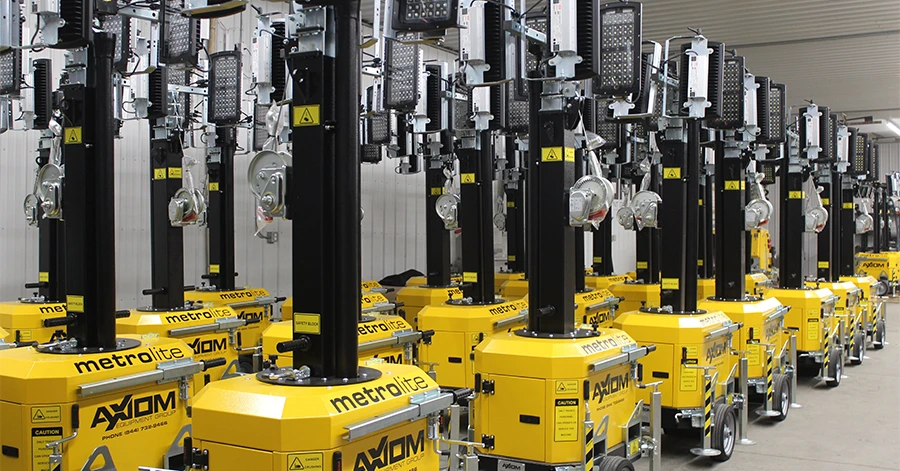
For small businesses in the construction industry, choosing the right equipment supplier can have a major impact on profitability and daily operations. Limited budgets, tight schedules, and smaller teams mean every decision must be carefully planned. Working smartly with equipment suppliers helps small businesses compete effectively while controlling costs and reducing risk. Using construction machinery rental allows small businesses to complete projects efficiently without investing heavily in equipment purchases. The following tips can help small business owners make better supplier choices and build stronger partnerships.
Understand Your Exact Equipment Needs
Before approaching any supplier, small businesses should clearly define their equipment requirements. Consider the type of projects you handle, job duration, site conditions, and frequency of use. Avoid overestimating needs, as this can lead to unnecessary expenses. Knowing exactly what you need helps suppliers recommend the most suitable machines and prevents you from paying for equipment that sits idle.
Choose Suppliers That Understand Small Businesses
Not all suppliers operate the same way. Some focus primarily on large contractors, while others are more flexible and supportive of smaller operations. Look for suppliers that understand the challenges small businesses face, such as cash flow limitations and changing project sizes. A supplier experienced with small businesses is more likely to offer practical solutions and personalized service.
Prioritize Flexible Rental Options
For small businesses, renting equipment is often more cost-effective than buying. Flexible rental options allow you to access machinery only when required. This reduces upfront costs, storage needs, and maintenance responsibilities. Suppliers who offer daily, weekly, or monthly rental plans give small businesses greater financial control and operational flexibility.
Ask About Maintenance And Support Services
Unexpected breakdowns can be especially costly for small businesses. Choose suppliers that provide maintenance and quick repair support as part of their service. Some suppliers include servicing in rental agreements, which helps avoid surprise repair bills. Reliable support keeps projects moving and protects your limited resources.
Evaluate Equipment Quality And Condition
Always check the condition of equipment before committing to a supplier. Well-maintained machines reduce downtime and improve productivity. Ask about inspection routines and servicing schedules. Reliable suppliers are transparent about equipment condition and prioritize safety and performance.
Compare Pricing Carefully
Price matters, but it should not be the only factor. Look beyond the base rental or purchase cost and ask about additional charges such as delivery, fuel policies, maintenance, or late return fees. Transparent pricing helps small businesses plan budgets accurately and avoid unexpected expenses that can strain finances.
Build A Long-Term Relationship
Small businesses benefit greatly from long-term supplier relationships. Working consistently with one supplier builds trust and familiarity. Over time, suppliers may offer better rates, faster service, and priority access to equipment. A strong relationship also makes communication easier during urgent situations.
Communicate Clearly And Early
Clear communication helps suppliers serve you better. Share project timelines, equipment needs, and any potential changes as early as possible. Advance notice allows suppliers to reserve the right machines and avoid scheduling conflicts. Good communication reduces delays and improves service quality.
Take Advantage Of Supplier Expertise
Equipment suppliers have valuable industry knowledge. Ask for recommendations on machine selection, attachments, and operating tips. Their experience can help small businesses improve efficiency and avoid costly mistakes. Using supplier expertise adds value beyond simple equipment access.
Consider Used Equipment Options
For long-term needs, purchasing used equipment from a trusted supplier can be a smart option. Used machines are often significantly cheaper while still offering reliable performance. Ensure the supplier provides service records and inspections to confirm quality.
Plan For Growth
Choose suppliers who can support your business as it grows. Working with a provider who provides a variety of equipment helps you get ready for bigger tasks down the road, even if your current needs are modest. Growth-ready suppliers reduce the need to switch partners later.
Review Contracts Carefully
Always read rental or purchase agreements thoroughly. Understand terms related to liability, insurance, maintenance, and returns. Clear contracts protect small businesses from unexpected responsibilities and legal risks.
Check Reputation And Reviews
Research supplier reputation through reviews and references. Other small businesses can provide insight into service reliability and support quality. A good reputation indicates consistency and professionalism.
Use Equipment Efficiently
Work with suppliers to schedule equipment usage efficiently. Returning equipment promptly avoids extra charges and builds goodwill. Efficient use saves money and strengthens supplier relationships.
Conclusion
For small businesses, choosing the right construction equipment supplier is a strategic decision that affects costs, productivity, and growth potential. By understanding needs, prioritizing flexibility, building strong relationships, and leveraging supplier expertise, small businesses can operate more efficiently and competitively. A reliable supplier becomes more than a vendor; they become a trusted partner supporting long-term success.
