

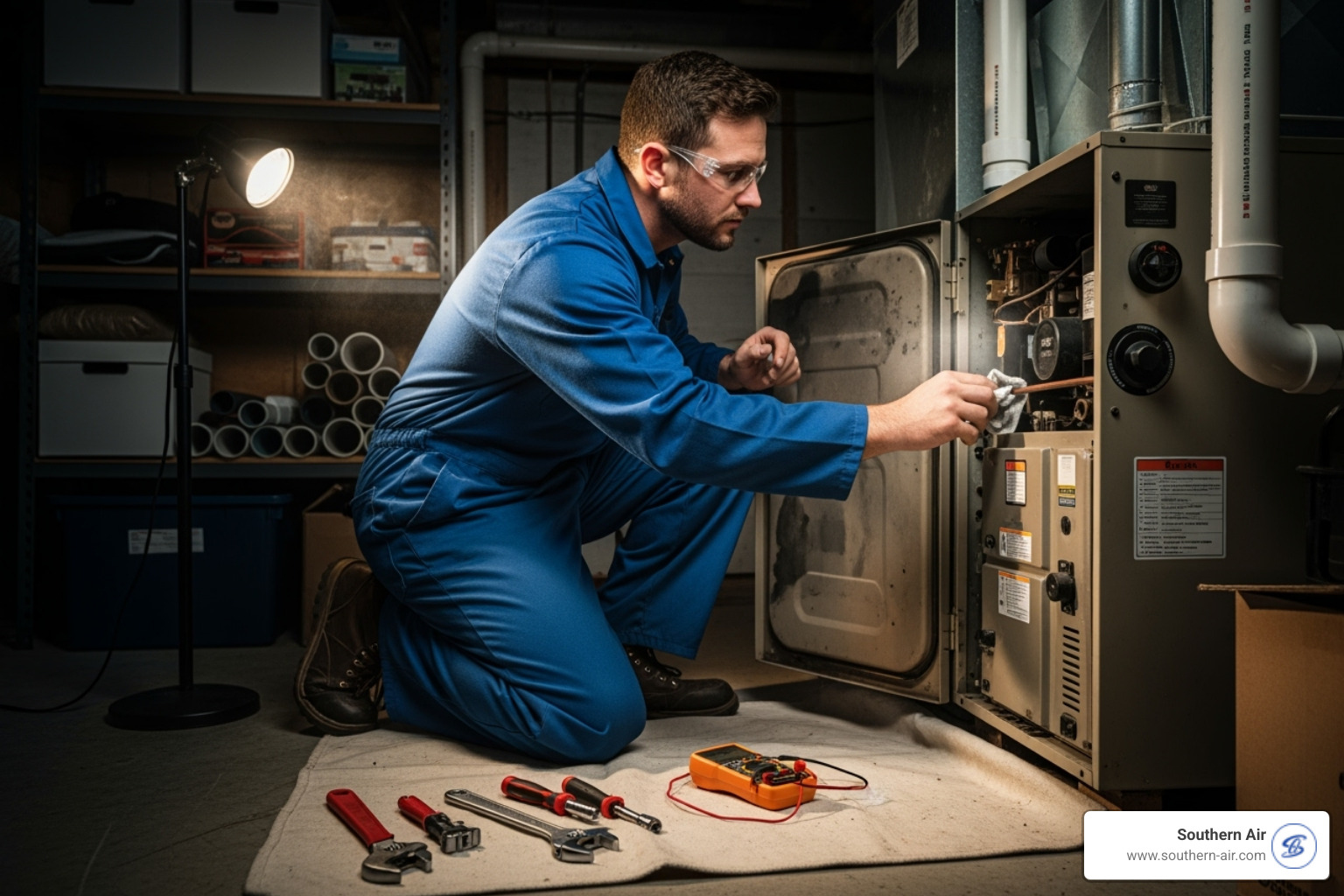
Few home issues escalate stress faster than a failing HVAC system—especially in extreme weather. In places where summers are long and intensely hot, or where winter cold snaps arrive unexpectedly, heating and cooling problems can quickly move from inconvenient to urgent. Understanding what qualifies as an HVAC emergency, how to respond, and how to reduce future risk can make all the difference when time is not on your side.
This article explores emergency HVAC situations from a practical, homeowner-focused perspective, with an emphasis on preparedness, safety, and smart decision-making.
What Counts as an HVAC Emergency?
Not every HVAC issue requires immediate action, but some situations demand fast professional attention. An HVAC emergency generally involves conditions that affect safety, health, or the basic livability of a space.
Common examples include:
- Complete system failure during extreme heat or cold
- Electrical issues, such as burning smells or tripped breakers linked to the unit
- Refrigerant leaks or hissing sounds near the system
- No airflow or sudden loss of temperature control
- Unusual noises like grinding, banging, or screeching
- Systems shutting down repeatedly (short cycling)
In climates with prolonged heat, a non-functioning air conditioner can cause indoor temperatures to rise rapidly, creating unsafe conditions—particularly for children, older adults, and pets.
Why Timing Matters More Than You Think
Delaying response during an HVAC emergency often compounds the problem. What starts as a single failing component can lead to broader system damage if the unit continues to run under stress—or if it stops entirely during peak demand.
Quick action helps:
- Prevent secondary damage to motors, compressors, or electrical components
- Reduce the likelihood of full system replacement
- Restore safe indoor conditions faster
- Avoid costly after-hours or last-minute solutions
Emergency service isn’t just about comfort—it’s about limiting risk and restoring stability as efficiently as possible.
First Steps to Take During an HVAC Emergency
Before professional help arrives, there are a few safe, common-sense steps homeowners can take. These actions won’t fix the system, but they may prevent further damage or help you communicate the issue more clearly.
- Turn the system off if you notice burning smells, sparks, or loud mechanical noises.
- Check the thermostat to rule out incorrect settings or dead batteries.
- Inspect the circuit breaker for a tripped switch related to the HVAC unit.
- Ensure vents are unobstructed and filters are not severely clogged.
- Document symptoms, such as error codes, noises, or timing patterns.
If indoor temperatures are becoming unsafe, prioritizing alternative cooling or heating solutions—like fans, hydration, or temporary relocation—may be necessary while waiting for service.
Why Emergency HVAC Services Are Different
Emergency HVAC service differs from routine maintenance or scheduled repairs in both urgency and scope. Technicians responding to emergencies must quickly diagnose the issue, stabilize the system, and recommend next steps—often outside of standard business hours.
In high-demand areas, emergency HVAC professionals are accustomed to:
- Working under time pressure
- Handling heat-related system failures
- Identifying whether a temporary fix or full repair is required
- Advising on immediate safety concerns
For homeowners seeking a better understanding of how urgent HVAC issues are typically handled in the region, reviewing information related to Emergency HVAC service San Antonio can provide helpful context about local expectations and response considerations.
Preventing Emergencies Before They Happen
While not all HVAC emergencies are avoidable, many stem from issues that develop gradually. Preventive care significantly lowers the likelihood of sudden breakdowns during peak weather conditions.
Effective prevention strategies include:
- Seasonal inspections before summer and winter
- Routine filter changes to protect airflow and components
- Monitoring system performance, such as longer run times or uneven cooling
- Addressing minor repairs promptly, rather than postponing them
Systems that are maintained regularly tend to fail less often—and when they do fail, the issues are usually less severe.
The Real Cost of Waiting
Some homeowners hesitate to call for emergency service due to cost concerns. While emergency repairs can be more expensive than scheduled maintenance, waiting too long often increases the final bill.
A struggling system may:
- Damage major components
- Consume excessive energy
- Create unsafe indoor conditions
- Lead to complete system replacement sooner than expected
In this context, timely emergency service can actually be the more cost-effective decision.
Staying Ready in a High-Heat Climate
In regions known for long, hot summers, HVAC systems aren’t a luxury—they’re essential infrastructure for daily life. Being prepared means knowing the warning signs, acting quickly when problems arise, and understanding when a situation crosses into emergency territory.
By staying informed and proactive, homeowners can reduce stress, protect their investment, and respond confidently when HVAC problems can’t wait. Emergency situations are never convenient, but with the right approach, they don’t have to become overwhelming.
