

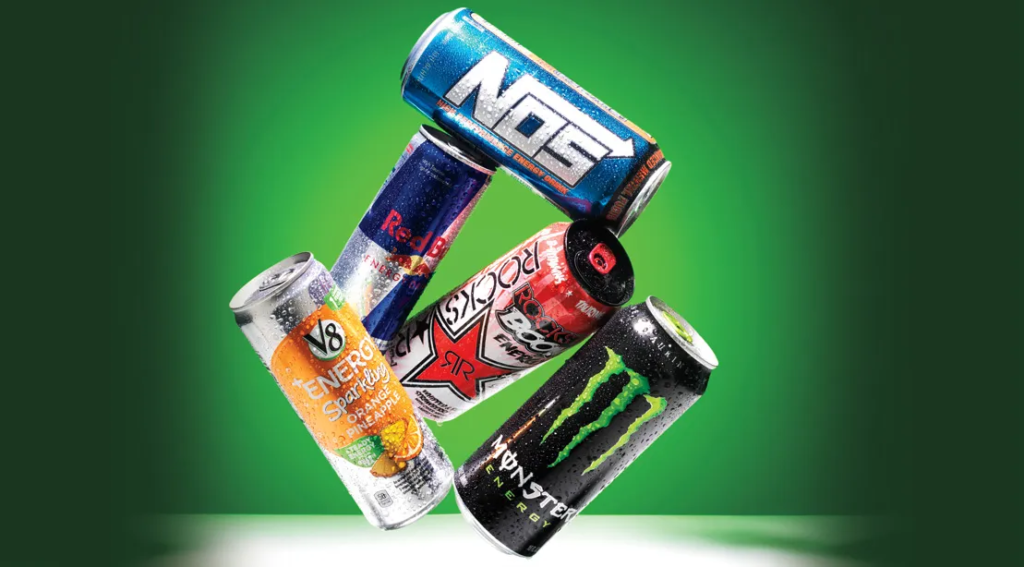
Energy workout drinks are easy to grab. Open the can. Take a few sips. Feel something shift. That is usually the idea. Before making it automatic, slow down and read the label. A lot of users check the ingredients in Celsius drinks and comparable products because they are trying to balance stimulation with long term comfort. Getting energy sounds simple enough. Human biology rarely is.
Why People Reach for Energy Support Before Training
Some workouts start strong. Others do not. You wake up tired. Or work drained you. Or motivation just is not there. So an energy drink feels like a shortcut back to focus. And sometimes it works.
Caffeine stimulates the nervous system. It can make effort feel slightly lower than it really is. That alone can change how a workout feels.
But here is where it gets personal. Tolerance builds. If you already drink coffee every morning, the extra boost may feel smaller than expected. So you increase the amount. Not dramatically. Just a little.
And that pattern can repeat.
Sometimes people are not chasing performance. They are chasing the feeling of being switched on.
Breaking Down What Actually Goes Into These Drinks
Turn the can around and read carefully. Most formulas follow a similar layout:
• Caffeine
• B vitamins
• Amino acids like taurine
• Plant extracts
• Sweeteners
Caffeine is the engine. Many cans contain 200 milligrams or more. That is strong. Not extreme, but strong.
B vitamins help convert food into energy. If your diet already covers your needs, extra amounts may not change much. They look impressive on the label though.
Taurine is often added for muscle support and hydration. Research shows mixed results depending on context. Some people notice a difference. Others honestly do not. And that is rarely mentioned clearly.
How Stimulants Affect Strength Endurance And Focus
Caffeine can improve alertness. That part is clear. Reaction time improves. Perceived effort decreases. Endurance may increase.
So yes, there are real performance benefits.
But dosage matters. Too much can lead to:
• Racing heartbeat
• Restlessness
• Poor sleep
• Upset stomach
Sleep is the quiet factor. You might fall asleep fine, yet deep sleep can still suffer. And recovery depends on deep sleep more than most people think.
So the boost you feel at 5 pm might cost you at midnight. Not always. But sometimes. That trade off is easy to ignore when the workout feels good.
Hidden Additions That Many People Overlook
Beyond caffeine, there are smaller details. Thermogenic blends sound intense. In reality, their effect is often mild. Marketing tends to amplify small changes.
Sweetener choice matters more than people think. Sugar free drinks reduce calories, which can fit specific plans. Still, some substitutes do not sit well with everyone.
Carbonation is another small detail. It seems harmless until you are mid session and your stomach feels overly full. Nothing here is extreme. Just subtle factors that affect comfort. Tiny things stack up.
Finding Balance Between Energy And Long Term Health
Energy workout drinks are not villains. They are not miracles either. Used occasionally before demanding sessions, they can sharpen focus and improve output. When taken every day without thinking about sleep or stress, they can slowly get in the way of proper recovery. Balance rarely makes a loud entrance. It works quietly in the background.
When you review the ingredients in Celsius drinks or similar formulas, look at the bigger picture. Your sleep schedule. Your daily caffeine habits. Your training load. All of it connects. Sometimes the desire for constant stimulation signals deeper fatigue. Maybe nutrition needs adjustment. Maybe recovery time is too short.
And sometimes you simply enjoy the taste and routine. That is honest too. Energy should support your performance, not replace your foundations.
Sometimes people reach for an energy workout drink without looking twice. Then later they realize the caffeine was higher than expected. Or that certain ingredients do not sit well. Knowing your own tolerance changes the whole decision. Awareness changes how tools are used. When you know what you are consuming and how it affects you over time, you can decide whether that can belongs in your routine or not.
