
In today’s competitive marketplace, small businesses must find smart ways to attract customers and keep them coming back. One of the most effective strategies for building long-term relationships with customers is through retail loyalty programs. These programs reward customers for their continued purchases and engagement, encouraging them to return more frequently and spend more over time.
With the help of technology and customer relationship management tools, businesses can now manage loyalty initiatives more efficiently through a crm loyalty program. This combination allows small businesses to track customer behavior, personalize rewards, and improve overall customer satisfaction. Let’s explore how retail loyalty programs can significantly benefit small businesses.
Understanding Retail Loyalty Programs
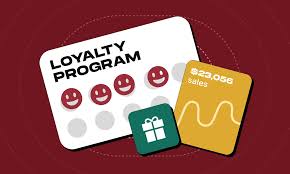
Retail loyalty programs are structured marketing strategies designed to encourage repeat purchases by offering rewards, discounts, or exclusive benefits to customers. When customers make purchases, they accumulate points or benefits that can later be redeemed for discounts, products, or special offers.
For small businesses, retail loyalty programs are not just about rewards—they are about building stronger customer relationships. Customers appreciate being recognized and rewarded for their loyalty, which increases trust and emotional connection with the brand.
When integrated with a crm loyalty program, businesses can track purchase history, preferences, and engagement patterns, allowing them to create more personalized offers and experiences.
Increasing Customer Retention
Customer retention is one of the biggest advantages of implementing retail loyalty programs. It is widely known that retaining an existing customer costs significantly less than acquiring a new one. Loyalty programs motivate customers to keep returning because they want to continue earning rewards.
For example, a coffee shop may offer a free drink after ten purchases, or a boutique may provide reward points for every purchase. These incentives encourage customers to choose the same store repeatedly instead of trying competitors.
A crm loyalty program enhances this process by collecting valuable customer data. Businesses can identify frequent shoppers and reward them with special promotions, birthday discounts, or exclusive access to new products.
Boosting Sales and Revenue
Retail loyalty programs are highly effective in increasing overall sales. When customers know they will earn rewards or points from their purchases, they often spend more to reach the next reward level.
For instance, a retail store might offer double points on certain products or special reward days. Such strategies encourage customers to buy more items or upgrade their purchases. Over time, these additional purchases can significantly boost revenue for small businesses.
With a crm loyalty program, businesses can analyze purchasing patterns and design targeted promotions that encourage higher spending. For example, if a customer frequently buys skincare products, the system can automatically offer personalized discounts on related items.
Building Strong Customer Relationships
Strong relationships are essential for the growth of small businesses. Retail loyalty programs create an emotional bond between the brand and the customer by showing appreciation for their continued support.
Customers feel valued when businesses acknowledge their loyalty with rewards or exclusive offers. This positive experience often leads to stronger trust and long-term relationships.
A crm loyalty program helps businesses communicate more effectively with customers. By storing customer preferences and purchase history, businesses can send personalized emails, special promotions, or recommendations that match each customer’s interests.
Gaining Valuable Customer Insights
Another major benefit of retail loyalty programs is the valuable customer data they generate. Every purchase, reward redemption, or program interaction provides useful insights into customer behavior.
This information helps small businesses understand which products are popular, how often customers shop, and what types of promotions work best. With these insights, businesses can make smarter decisions about pricing, inventory, and marketing strategies.
When combined with a crm loyalty program, this data becomes even more powerful. CRM systems organize customer information in one place, making it easier for businesses to analyze trends and adjust their strategies accordingly.
Enhancing Marketing Effectiveness
Retail loyalty programs can significantly improve the effectiveness of marketing campaigns. Instead of sending generic promotions to all customers, businesses can target specific groups based on their purchase behavior.
For example, businesses can create exclusive promotions for loyal customers, offer special rewards for high-value shoppers, or send reminders to inactive customers to bring them back.
A crm loyalty program allows businesses to segment customers based on different criteria such as purchase frequency, spending habits, and product preferences. This targeted approach ensures that marketing messages are more relevant and effective.
Encouraging Word-of-Mouth Promotion
Satisfied and loyal customers often become brand advocates. When customers enjoy the benefits of retail loyalty programs, they are more likely to recommend the business to friends and family.
Some loyalty programs even include referral rewards, where customers earn points or discounts for bringing new customers to the business. This approach not only encourages word-of-mouth promotion but also helps businesses discover the best place to advertise a business without spending heavily on traditional marketing.
A well-managed crm loyalty program can track referrals and reward customers automatically, making the process seamless and efficient.
Competing with Larger Retailers
Small businesses often struggle to compete with large retail chains that have bigger marketing budgets and resources. However, retail loyalty programs can help level the playing field.
By offering personalized rewards and creating a community of loyal customers, small businesses can differentiate themselves from larger competitors. Customers often prefer businesses that recognize and appreciate their loyalty.
Using a crm loyalty program, small businesses can deliver highly personalized experiences that even large retailers may struggle to replicate.
Improving Customer Experience
Customer experience plays a critical role in the success of any retail business. Retail loyalty programs contribute to a better shopping experience by making customers feel valued and appreciated.
From exclusive offers to personalized recommendations, loyalty programs create positive interactions that enhance the overall customer journey.
A crm loyalty program further improves the experience by ensuring that every interaction with the customer is informed by past behavior and preferences. This helps businesses deliver consistent and meaningful engagement.
Conclusion
For small businesses looking to grow and compete in today’s market, retail loyalty programs are a powerful tool. They help attract repeat customers, increase sales, strengthen relationships, and provide valuable insights into customer behavior.
When integrated with a crm loyalty program, these loyalty initiatives become even more effective. Businesses can automate rewards, personalize marketing campaigns, and build stronger connections with their customers.
By investing in well-designed retail loyalty programs, small businesses can create lasting customer relationships, encourage repeat purchases, and build a loyal customer base that supports long-term success.
