

Early pioneers who shaped Asian football identity
Asian football did not rise overnight. It was built through decades of discipline, talent, and players who carried their nations on their shoulders long before global attention arrived. In the early days, figures like Cha Bum-kun and the first wave of international professionals proved that Asian players could succeed beyond their domestic leagues. Their influence set the tone for everything that followed. Even modern platforms like cakhiatv often highlight how these pioneers laid the foundation for today’s global stars.
Key contributions of early Asian football pioneers
- Cha Bum-kun’s success in the German Bundesliga opened doors for Asian exports
- Early Japanese professionals helped shape structured technical development
- Korean national team growth in the late 20th century raised international competitiveness
- Grassroots football expansion across Asia increased talent discovery
These early icons did more than win matches. They changed perception. They proved that Asian footballers could adapt to European intensity and tactical systems. Their legacy still echoes in every major tournament appearance by Asian nations today.
The rise of East Asian technical brilliance
As football evolved, East Asia became a hub for technically gifted and intelligent players. Japan and South Korea, in particular, produced stars who combined discipline with creativity. Players like Hidetoshi Nakata and Park Ji-sung became global names not only for their skill but for their consistency at the highest level.
Defining traits of East Asian football excellence
- Exceptional tactical discipline and game awareness
- High stamina and relentless work rate
- Ability to adapt to multiple European leagues
- Strong emphasis on teamwork over individualism
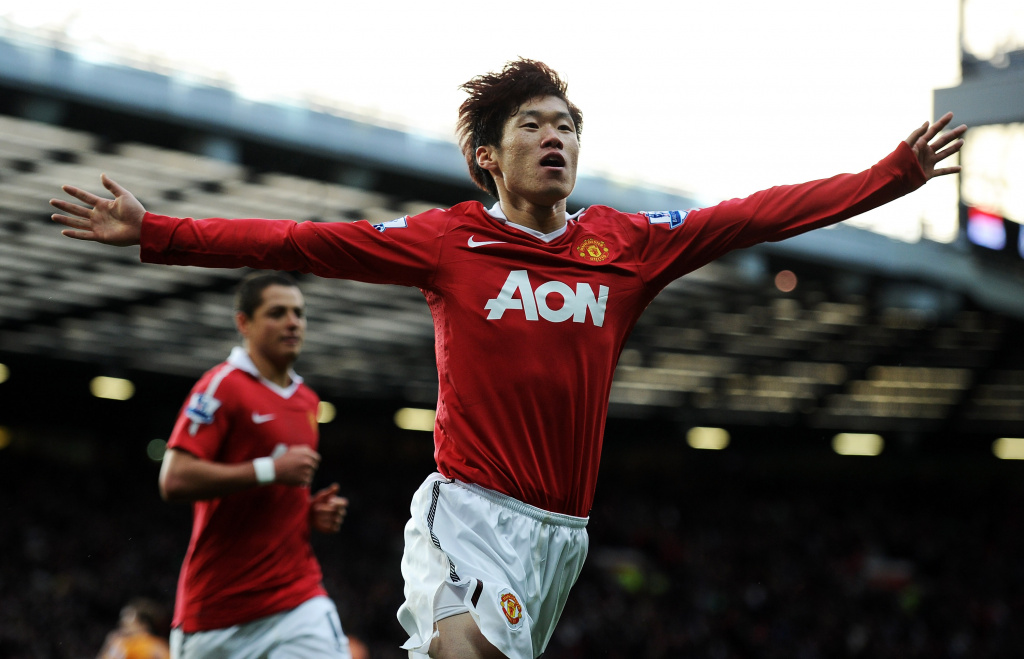
These players did not rely on physical dominance. Instead, they mastered positioning, timing, and decision-making. Nakata’s elegance in midfield and Park Ji-sung’s tireless pressing at Manchester United showed how intelligence can define success at the top level.
Middle Eastern legends who changed goal scoring records
The Middle East has produced some of the most lethal goal scorers in football history. Ali Daei of Iran stands as one of the most iconic figures, holding a long-standing international goal record that inspired generations. His presence symbolized a region capable of producing world-class attacking talent.
Impact of Middle Eastern football legends
- Ali Daei’s record-breaking international goal tally set global benchmarks
- Saudi Arabia and Iran consistently produced top continental performers
- Strong domestic leagues helped develop attacking instincts
- Strikers from the region became known for aerial strength and finishing
These players brought a different style to Asian football, focusing on direct attacking and clinical finishing. Their success proved that Asia was not limited to defensive or supportive roles but could dominate in front of goal.
Modern Premier League impact and global recognition
The modern era has seen Asian football fully integrated into top European leagues. Son Heung-min stands as the clearest example of global stardom, becoming one of the most influential forwards in the English Premier League. His pace, finishing, and versatility have made him a fan favorite worldwide.
Hallmarks of modern Asian football success
- Consistent performance in elite European competitions
- Increased visibility in global club tournaments
- Strong commercial and cultural influence in football markets
- Development of multi-role attacking players
Alongside Son, players like Shinji Kagawa and Takumi Minamino also contributed to Asia’s reputation in Europe. Their presence in major clubs showed that Asian players are no longer exceptions but essential contributors.
Asian stars in World Cup history
The FIFA World Cup has always been the ultimate stage for football greatness. Asian players have delivered memorable performances that elevated their nations and inspired millions. From South Korea’s historic 2002 semi-final run to Japan’s consistent knockout stage appearances, Asia has proven its competitiveness.
Memorable World Cup contributions from Asia
- South Korea’s 2002 semi-final achievement on home soil
- Japan’s repeated qualification and strong group stage performances
- Iran’s defensive organization against top-ranked teams
- Australia’s competitive performances after joining the AFC
These moments were not isolated. They represented steady progress and growing confidence. Asian players showed they could compete under pressure against the world’s strongest teams.
Leadership, versatility, and midfield mastery
Midfielders from Asia have often been the backbone of their teams. Players like Keisuke Honda and Park Ji-sung demonstrated leadership and adaptability across multiple systems. Their ability to control tempo and support both defense and attack made them invaluable.
Core strengths of Asian midfield leaders
- High tactical intelligence and spatial awareness
- Ability to transition between defense and attack smoothly
- Strong leadership qualities on and off the pitch
- Consistent performance in international tournaments
These midfielders were not always the most flashy, but they were often the most reliable. Their contribution shaped team identity and allowed attacking players to flourish.
New generation redefining Asian football excellence
A new wave of talent is now emerging across Asia. Players from Japan, South Korea, Iran, and other nations are entering top European academies earlier than ever before. This generation benefits from better training infrastructure and global exposure from a young age.
Characteristics of the modern Asian football generation
- Early integration into European youth systems
- Higher technical skill development from academy level
- Strong mental preparation for international competition
- Increased versatility across multiple playing positions
This new generation is not only matching global standards but increasingly setting them. With better scouting networks and professional development pathways, Asian football’s future looks stronger than ever.
Conclusion: Celebrating the enduring legacy and future rise of Asia’s greatest football icons across generations
The history of Asian football is a story of persistence, evolution, and pride. From early pioneers who broke barriers to modern superstars dominating Europe’s biggest stages, each generation has added a new layer of achievement. Players like Cha Bum-kun, Hidetoshi Nakata, Park Ji-sung, Ali Daei, and Son Heung-min represent different eras, but they share the same spirit of excellence.
What makes this journey remarkable is not just individual talent, but collective progress. Asia has moved from underrepresentation to consistent global presence. The pipeline of young players continues to grow, supported by better coaching, stronger leagues, and international exposure. As the game continues to evolve, Asian footballers are no longer chasing recognition. They are defining it.
