

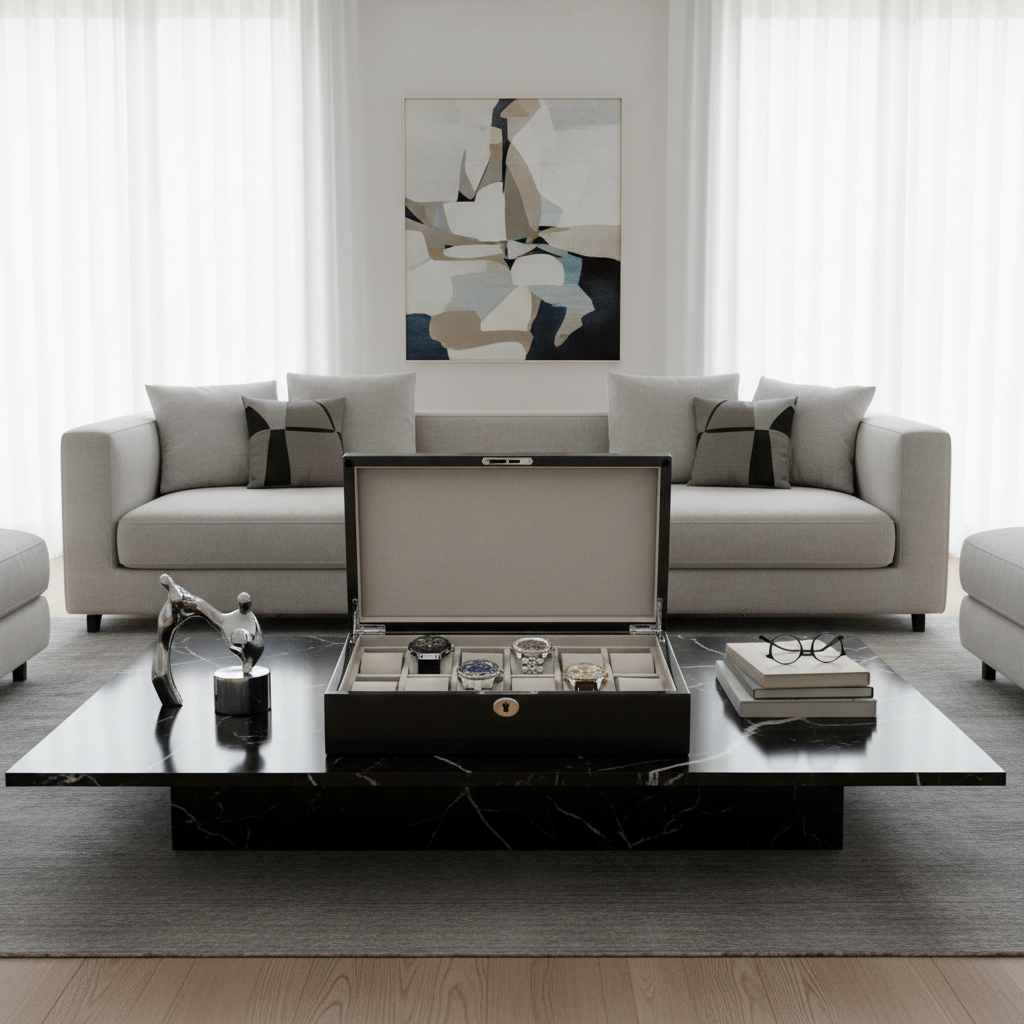
For any watch enthusiast, a timepiece is more than just a tool for telling time; it is an investment, a piece of history, and a reflection of personal style. Whether you own a single heirloom or a growing collection of luxury chronographs, how you store them is just as important as how you wear them. Leaving a high-quality watch on a bedside table or tucked loosely in a drawer exposes it to dust, moisture, and accidental scratches.
A dedicated storage solution is the hallmark of a serious collector. By choosing a premium case to house your collection, you ensure that your watches remain in pristine condition while being beautifully organized. In this guide, we will explore why high-quality storage is essential and how to find the perfect home for your horological investments.
What is a Watch Box and Why Does Every Collector Need One?
At its core, a watch box is a specialized storage case designed to keep timepieces secure, upright, and separated. Most quality cases feature individual compartments with soft cushions (or “pillows”) that the watch straps around, mimicking the shape of a human wrist. This prevents the bracelet from kinking and ensures the watch face doesn’t rub against other surfaces.
Beyond simple organization, these cases serve as a central hub for your collection. Instead of searching through various drawers, a luxury watch box allows you to view your entire rotation at a glance. This is particularly useful for those who enjoy matching their timepiece to their daily attire. Furthermore, for those with a significant collection, these boxes act as a layer of physical protection against environmental factors that can degrade lubricants inside a mechanical movement over time.
Key Features and Benefits of Premium Watch Storage
When moving beyond basic storage, several features distinguish a high-end case from a standard container.
1. Superior Material Construction
Premium cases are often crafted from solid wood, such as walnut or macassar, or wrapped in high-grade vegan or genuine leather. These materials aren’t just for aesthetics; they provide a sturdy framework that protects the contents from external impacts.
2. Scratch-Resistant Interior Lining
The interior of a quality watch display case is typically lined with soft velvet, microfiber, or suede. This ensures that the polished surfaces of your watch—especially the bezel and lugs—remain free from “desk diving” marks and micro-scratches.
3. Clear Viewing Windows
Many collectors prefer a “display” style box. These feature a glass or acrylic lid, allowing you to admire your collection without opening the case. This is also functional for solar-powered watches (like Citizen Eco-Drive), as it allows ambient light to reach the dial and keep the battery charged.
4. Secure Clearance and Spacing
One of the most overlooked benefits of a professional storage box is the “wall” height and compartment width. Large modern watches (44mm and above) require wider slots so that the crowns do not rub against the watch in the neighboring slot.
Who is a Professional Watch Box Best For?
Investing in a dedicated storage solution isn’t just for those with million-dollar collections. It is a practical choice for several different types of users:
- The Aspiring Collector: If you have just purchased your second or third “nice” watch, a 6-slot or 10-slot box provides room to grow while keeping your current pieces safe.
- The Luxury Investor: For those owning Rolex, Omega, or Patek Philippe pieces, a high-end box is a necessity to maintain the “mint condition” status that preserves the watch’s resale value.
- The Gift Giver: A beautifully crafted wooden watch box is a classic gift for graduations, weddings, or milestones, offering a blend of utility and sentimentality.
- The Interior Design Enthusiast: Many watch boxes are designed to be furniture-grade pieces that look stunning on a dresser, desk, or walk-in wardrobe shelf.
How to Choose the Right Watch Box for Your Collection
Selecting the right case requires a balance between your current inventory and your future goals. Here are the practical factors to consider:
Determine the Capacity
Do not buy a box that fits exactly what you have now. If you have four watches, consider a 6-slot or 8-slot watch box. This allows your collection to breathe and gives you a “goal” for your next acquisition.
Consider Your Watch Sizes
If you are a fan of “oversized” watches or divers, check the width of the pillows. You want to ensure the watches don’t touch each other when the lid is closed. Conversely, if you have smaller wrists, ensure the cushions are soft enough to compress so you don’t overstretch your leather straps.
Lid Style: Glass vs. Solid
If your watches are kept in a high-traffic area or a room with a lot of sunlight, a solid wood lid offers more privacy and protection from UV fading. If you want to show off the craftsmanship of your dials, a glass lid is the way to go.
Security Features
Some high-end boxes come with integrated locks. While not a substitute for a safe, a lockable lid prevents curious hands (or children) from mishandling delicate mechanical instruments.
Why a High-Quality Watch Box is a Smart Investment
Think of a watch box as an insurance policy for your wristwear. The cost of a professional storage solution is a fraction of the cost of a single service or a crystal replacement. By keeping your watches in a controlled environment, you reduce the risk of:
- Dust Contamination: Dust can enter the crown or case back during battery changes or servicing; a sealed box keeps the exterior clean.
- Accidental Drops: Most watches are damaged when they slide off a nightstand. A weighted, felt-bottomed box stays securely in place.
- Organisational Stress: Knowing exactly where your “grail” watch is at 7:00 AM saves time and maintains the ritualistic pleasure of choosing a watch for the day.
Common Mistakes Buyers Should Avoid
- Buying “Cheap” Liners: Avoid boxes with rough, synthetic felt. Over time, these can actually act as a mild abrasive on gold or polished steel surfaces.
- Ignoring Clearance: Ensure there is enough “headroom” between the top of the watch crystal and the lid. If the lid touches the watch, any pressure on the box could crack the glass.
- Forgetting About the “Winder” Factor: If you own many automatic watches that you don’t wear daily, you might eventually need a watch winder. However, for manual wind or quartz watches, a static box is the superior and more affordable choice.
- Neglecting Portability: If you travel often, a large 12-slot box isn’t helpful. Consider a watch roll or travel case to complement your main home storage.
Conclusion
A watch collection is a journey, and every journey deserves a proper home. By moving your timepieces into a professional-grade storage case, you are doing more than just tidying up a dresser; you are preserving the longevity and beauty of your horological investments.
Whether you prefer the classic warmth of a wooden watch box or the sleek modern look of carbon fiber, the right choice will provide peace of mind and a daily sense of pride in your collection. Protect your legacy, one slot at a time.
Frequently Asked Questions
1. Is a watch box necessary for quartz watches? Yes. While quartz watches don’t need to be kept “running” like mechanicals, they are still susceptible to scratches, dust, and moisture, all of which a box prevents.
2. Will a watch box magnetize my watches? A high-quality watch box made of wood or leather has no magnetic properties. Only boxes with very strong magnetic latches (usually cheap versions) pose a risk, but most professional cases use friction fits or traditional locks.
3. How do I clean my watch box? For wooden boxes, use a microfiber cloth and a tiny amount of wood polish. For the interior, a lint roller or compressed air is best for removing dust from the velvet.
4. Should I keep the original brand boxes instead? Original boxes are great for resale value, but they are often bulky and not designed for daily access. It’s best to store the original packaging in the attic and use a dedicated multi-slot box for your daily rotation.
5. Can I store jewelry in a watch box? Some watch boxes feature a “valet drawer” at the bottom. This is ideal for storing cufflinks, rings, or spare watch straps and spring bar tools.
6. What is the difference between a watch box and a watch winder? A watch box is for static storage. A watch winder is a motorized device that rotates automatic watches to keep them wound and the time set.
7. Does a glass lid cause watches to fade? Only if placed in direct, constant sunlight. In a normally lit room, a glass lid is perfectly safe and highly recommended for solar watches.
8. How tight should the watch be on the pillow? The watch should be snug but not stretched. If you have a very small wrist size, look for “M-shaped” cushions or soft-fill pillows that compress easily.
