

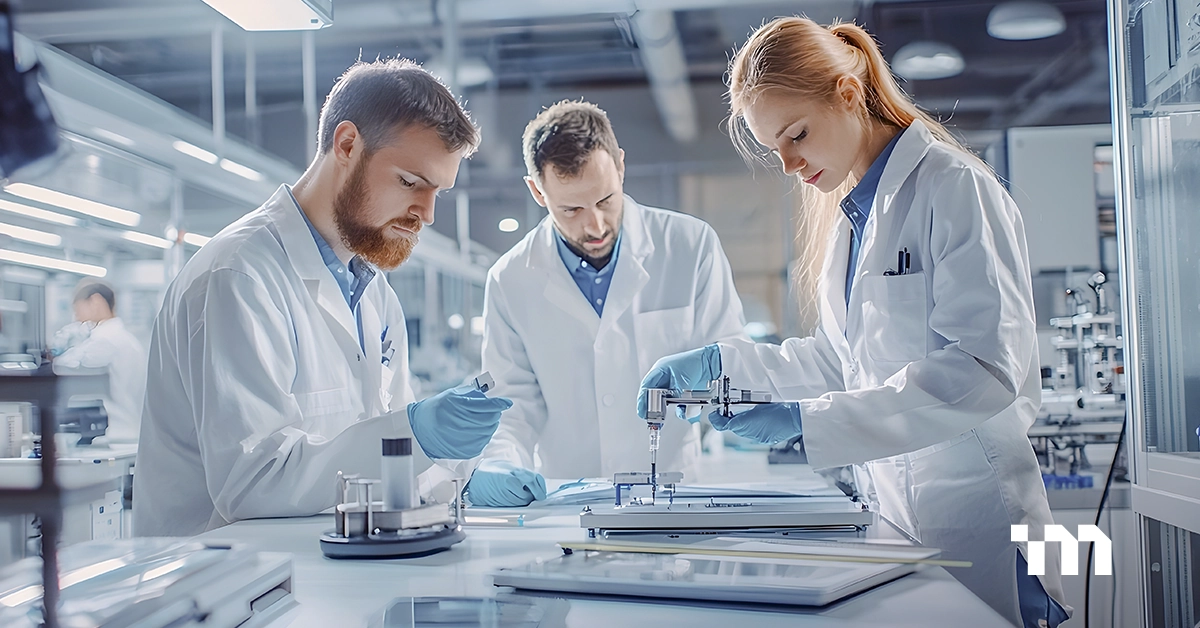
In the ever-evolving sphere of scientific discovery and innovation, the success of laboratory endeavours often hinges on the precision and reliability of equipment used. The meticulous nature of laboratory work demands instruments and apparatus that offer unparalleled accuracy and consistent performance. This article explores key laboratory essentials that are integral to the functioning of labs across a multitude of disciplines, from biology and chemistry to materials science and pharmacology.
Mastering Liquid Handling with Micro Pipettes
A mainstay in virtually every lab environment is the micro pipette. These precision instruments are critical for accurately measuring and transferring very small volumes of liquid. As an indispensable tool for tasks such as sample preparation, dilution, and reagent addition, micro pipettes come in various types to cater to different volume ranges and applications. Selecting the right micro pipette involves considering factors such as volume range, ergonomics, calibration needs, and the capacity for autoclaving to maintain sterility. Precision in liquid handling ensures reproducibility and accuracy of experimental results, making the choice of a quality micro pipette crucial in a laboratory setting.
Quality and Variety in Lab Beakers
Every science laboratory is defined by its glassware, and lab beakers are among the most widely recognized symbols of scientific work. Lab beakers serve as the workhorse for routine mixing, stirring, and heating of liquids. With their simple cylindrical shape and a spout for easy pouring, they come in various capacities and materials, including glass and plastic. While borosilicate glass beakers offer high thermal resistance for procedures involving extreme temperatures, plastic beakers are favoured for their durability and resistance to breakage. Choosing the right beaker is essential for the safety and effectiveness of laboratory work, where even mundane tasks require care and precision.
Efficient Liquid Transfer with Peristaltic Pumps
When it comes to moving fluids, the peristaltic pumps offer a reliable and sanitary solution. Particularly used in labs that require aseptic conditions, these pumps work by alternating compression and relaxation of a flexible tubing to move the liquid along. Since the liquid only comes in contact with the tubing and not the pump mechanism, the risk of contamination is considerably minimized. Peristaltic pumps are essential in scenarios where sterility is paramount, such as in pharmaceutical production and biological sample handling. The variety of tubing materials available also makes them compatible with a wide range of chemicals and substances, contributing to their versatility in the laboratory.
The Importance of Calibration and Maintenance
Regardless of the type of equipment, maintaining a strict protocol for calibration and maintenance is fundamental for ensuring laboratory precision and reliability. Calibrating instruments like micro pipettes is necessary to confirm that they are delivering volumes accurately. Regular maintenance of equipment, such as changing the tubing in peristaltic pumps and inspecting lab beakers for damage or imperfections, ensures equipments’ integrity and performance. In addition, following the manufacturer’s guidelines for use and keeping up with scheduled maintenance checks protects laboratory investments and upholds the standards of scientific work.
Ensuring the compatibility of equipment with the experiments conducted is another critical aspect of reliable laboratory work. Scientists must consider chemical compatibility, temperature ranges, and mechanical resistance when selecting their laboratory essentials. For instance, the choice between using glass or plastic lab beakers often depends on the chemicals involved and the required resistance to thermal shock.
Technology Integration in Modern Laboratory Equipment
Modern laboratories often integrate technology to enhance the accuracy and efficiency of their equipment. Micro pipettes, for instance, may feature electronic controls that allow for more precise adjustments and repeatability of measurements. Similarly, peristaltic pumps can be programmed for variable flow rates and can be interfaced with computers for automated processes. This integration of technology enables researchers to perform more complex tasks with greater precision and ease, ultimately leading to more significant breakthroughs and advancements.
Training and Competence in Equipment Use
Having cutting-edge laboratory equipment is only half the story; the personnel using the tools must be adequately trained to leverage their full potential. Proper training on how to use micro pipettes, lab beakers, peristaltic pumps, and other laboratory essentials is crucial. It ensures the safety of the personnel, the accuracy of the procedures, and the longevity of the equipment. In addition, skilled laboratory technicians and scientists are able to troubleshoot and mitigate issues that arise with equipment, further ensuring the smooth operation of the laboratory.
Investing in quality training programmes fosters a culture of excellence and precision within a laboratory setting. When users are well-versed in the operations, calibration, and maintenance of each piece of equipment, the risk of errors decreases significantly.
Lab Safety as a Priority
Hand in hand with precision and reliability is the emphasis on safety in the laboratory. Using lab beakers, for instance, requires knowledge of proper handling techniques, especially when dealing with hazardous chemicals or high temperatures. The correct use of peristaltic pumps involves recognising the limitations and safety features of the equipment to prevent accidents. Safety protocols should be established and rigorously followed to create an environment where scientific inquiry thrives without compromising the well-being of those involved.
Choosing the Right Laboratory Equipment Supplier
Finding a reputable supplier is pivotal to obtaining high-quality laboratory essentials that deliver precision and reliability. A distinguished supplier will not only provide a comprehensive range of products, including the finest micro pipettes, durable lab beakers, and efficient peristaltic pumps, but also offer valuable expertise and support services. Partnering with a supplier that understands the critical nature of laboratory work and the importance of each piece of equipment can be a beneficial resource for any laboratory striving for excellence.
Conclusion
In summary, navigating the world of laboratory essentials is a complex task that requires a thoughtful amalgamation of precision, reliability, and safety. Selecting the appropriate micro pipettes, lab beakers, and peristaltic pumps is just the beginning; the proper calibration, maintenance, and operation of these tools is equally important. By prioritizing the quality of laboratory essentials, scientific endeavours can be conducted with the utmost confidence, yielding accurate and reproducible results that stand the test of time.
