

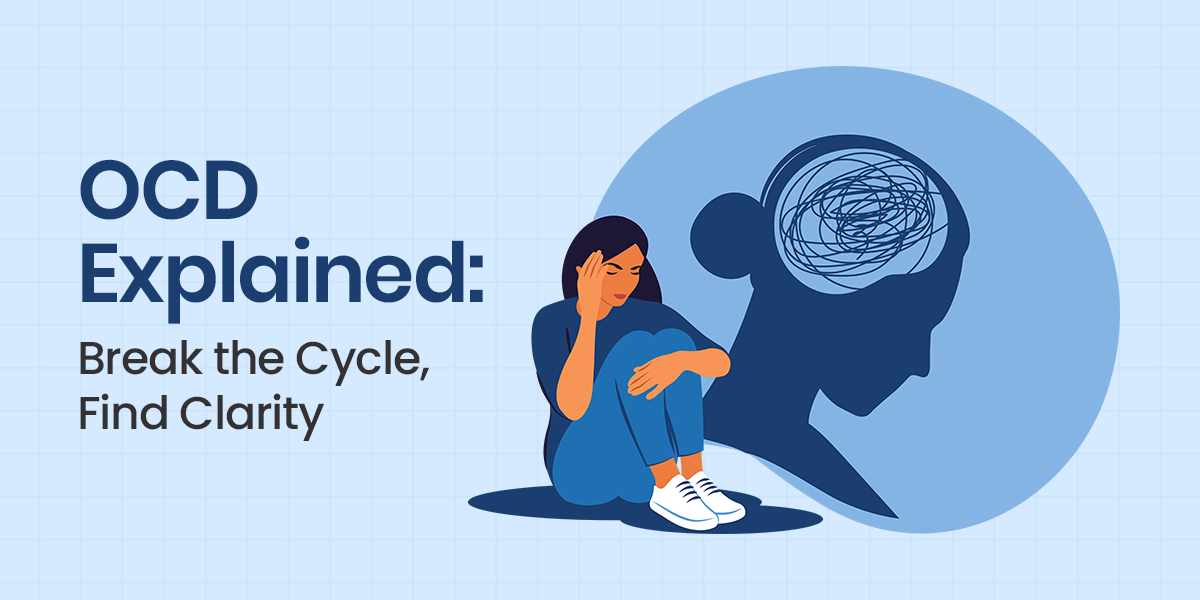
Obsessive-compulsive disorder, also referred to as OCD, is a mental disorder that afflicts millions of people worldwide. People tend to think that it is merely an excessive neatness or tidiness, but in the actual sense, OCD is a lot more sophisticated and may have a serious effect on the activity of a person. Seeking help from an experienced OCD specialist California can make a major difference in understanding the condition, identifying symptoms, and finding the right treatment approach.
OCD is associated with the process of obsessions and compulsions. Obsessions refer to unpleasant and uncontrollable thoughts, images, or impulses that are unpleasant and distressing or anxiety-inducing. In reaction to these obsessions, compulsions are recurrent actions or thoughts that individuals are compelled to carry out because of them. Although such behaviors can help alleviate anxiety in the short-term, it tends to perpetuate the loop, hence making OCD more challenging to overcome in the long-term.
To achieve treatment success, it is worthwhile to understand the symptoms and the causes of OCD. Through appropriate counseling and treatment, patients are capable of knowing how to deal with their symptoms and improve their life quality.
Learning about OCD and Its Implications on Daily Life
It is not only about habits or preferences. It is a disorder that is capable of disrupting daily life activities, relationships, and duties. Individuals who have OCD might take up to hours in a day to address intrusive thoughts as well as compulsive activities. This may cause stress, exhaustion, and insufficient concentration on work or personal life.
An OCD specialist in California often explains that OCD symptoms vary from person to person. Other people can have mild symptoms, whereas others cope with severe difficulties, which make their everyday life hard. OCD severity may vary with time, particularly when under extreme stress or due to significant life transitions.
OCD may also impact emotional well-being. The regular anxiety and fear may result in frustration, guilt, or even depression. This explains the need to identify the condition early and provide professional help in order to control the condition.
OCD and Common Obsessive Thoughts
One of the components of OCD is obsessions. These are thoughts or urges that cannot be controlled and end up being very distressing. OCD is recognized by many as the reason why the thoughts cannot be rational, yet they find it hard to disregard them.
Easily seen obsessions usually relate to contamination fears, e.g., dirt or germs. People can be too concerned about falling ill or the contagion of others. Other obsessions would be the fear of causing injury, like an accidental injury to someone, or the possibility of making an error that will cause severe consequences.
Others undergo intrusive thoughts that are connected to the sense of symmetry or order, so that everything has to be organized in a particular manner. The unwanted thoughts that others get may be against their values, and this can be very disturbing. An experienced OCD specialist in California helps individuals understand that these thoughts are a symptom of the condition and do not define who they are.
Frequent Compulsive Disorders
Compulsions are the things that people do to alleviate the anxiety that is brought about by the obsessions. These habits can be a short-term solution, but they can be habitual and time-wasting.
Excessive cleaning or handwashing has been pointed out as one of the most prevalent compulsions. Patients might want to wash their hands many times to get rid of perceived contamination. Checking behaviors are also typical, including checking the locks and appliances or tasks to be done at work many times to avoid damage or errors.
Other compulsions can be counting, repeating words, actions, or organizing items in a certain sequence. Others perform mental rituals, e.g., repeatedly murmuring phrases or prayers to ease tension. Although such behaviors might appear to be beneficial at that time, they strengthen the OCD cycle and complicate the process of getting out of the situation.
The OCD Cycle Explained
OCD is a cyclic phenomenon that may be hard to overcome without professional assistance. It starts with an intrusion or obsession, which causes anxiety. To get rid of this anxiety, the subject engages in a compulsion. Although the compulsion can be temporary, it strengthens the notion that the action is needed, which results in repetitive cycles.
An OCD specialist in California focuses on breaking this cycle through evidence-based treatments. By treating the thoughts and the actions related to OCD, the sufferers can learn how to react to the anxieties in more healthy ways and minimize the effects of the symptoms in the long run.
Causes of OCD
OCD is not well understood in terms of its true cause, although studies have identified a combination of factors as the cause of the disorder. These are biological, psychological, and environmental factors that lead to the development of the condition.
There is a possibility that genetics is involved in OCD. The risk of developing OCD may be increased in people who have a family history of the disorder or other anxiety disorders. It is also thought that brain structure and functioning are at play, especially in decision-making, impulse control, and emotional regulation areas.
Environmental influences can also cause OCD. Symptoms can be provoked in people who are already weak by traumatic or stressful life events. Childhood events like being raised in a strict environment or having high expectations may have a role in the development of OCD as well.
The Role of Anxiety in OCD
OCD is closely associated with anxiety. Obsessions cause great fear or discomfort, and compulsions are done to alleviate this anxiety. This cycle may turn out to be more permanent and intractable with time.
An OCD specialist California helps individuals understand the connection between anxiety and OCD. People can stop depending on compulsive behaviors by learning how to live with uncertainty and address anxious thoughts.
How OCD Is Diagnosed
OCD can be diagnosed through an in-depth examination carried out by a professional psychologist. It involves the discussion of the symptoms, medical history, and the effects of OCD on everyday life.
The reason why OCD requires a proper diagnosis is that, in some cases, it may be confused with other disorders like generalized anxiety disorder or depression. A qualified expert can make a proper diagnosis and create a treatment strategy that would suit the needs of the individual.
Treatment Options for OCD
OCD is a disease that can be treated, and most patients can feel a lot better with the appropriate help. Cognitive-behavioral therapy (CBT), in particular, a method known as exposure and response prevention (ERP), can be regarded as one of the most effective methods.
ERP entails a gradual exposure of the patient to activities that provoke his obsessions to enable him to resist the temptation to engage in compulsions. This, in the long run, alleviates anxiety and weakens the OCD cycle.
Treatment may also include medication use, especially selective serotonin reuptake inhibitors (SSRIs), which assist in the regulation of brain chemistry as well as reduce symptoms.
Working with an experienced OCD specialist in California ensures that individuals receive a personalized treatment plan that addresses their specific symptoms and challenges.
The significance of Early Intervention
Early intervention is very important in the treatment of OCD. The faster people obtain assistance, the easier it is to ensure that the symptoms do not get worse. Failure to seek treatment in time may result in disruption of normal life, increased anxiety, and intense compulsion.
Early identification of symptoms and seeking support may help people come up with coping mechanisms that enhance their quality of life and minimize the effects of OCD in the long run.
Existence with OCD and Discovering Balance
With the help of the appropriate support, OCD may be a difficult condition to live with, but it is possible to live a good life full of balance. Therapy teaches people to be resilient, learn how to cope with stress, and have healthier habits.
The family and friends also make a significant contribution to recovery. The presence of understanding and support from loved ones can play a huge role in the healing process.
An OCD specialist in California often emphasizes that recovery is a gradual journey. The gradual process of improvement is possible, yet through regular work and professional support, people can minimize the manifestations and re-establish their positions in life.
Conclusion
OCD is not an easy task as simple as habits or preferences. It has a repetitive nature of intrusive thoughts and compulsive acts, which may severely affect everyday life. The knowledge of symptoms and causes of OCD is the initial move towards effective treatment and recovery.
With the help of an experienced OCD specialist in California individuals can learn to manage their symptoms, break the OCD cycle, and improve their overall well-being. Professional support offers the resources and directions that should be used to overcome the difficulties and create a healthier future. Most OCD patients who need special attention are referred to reliable services such as California Mental Health, where the selected individuals receive specialized care and attentive assistance that can enable them to take the first steps to achieve recovery.
