

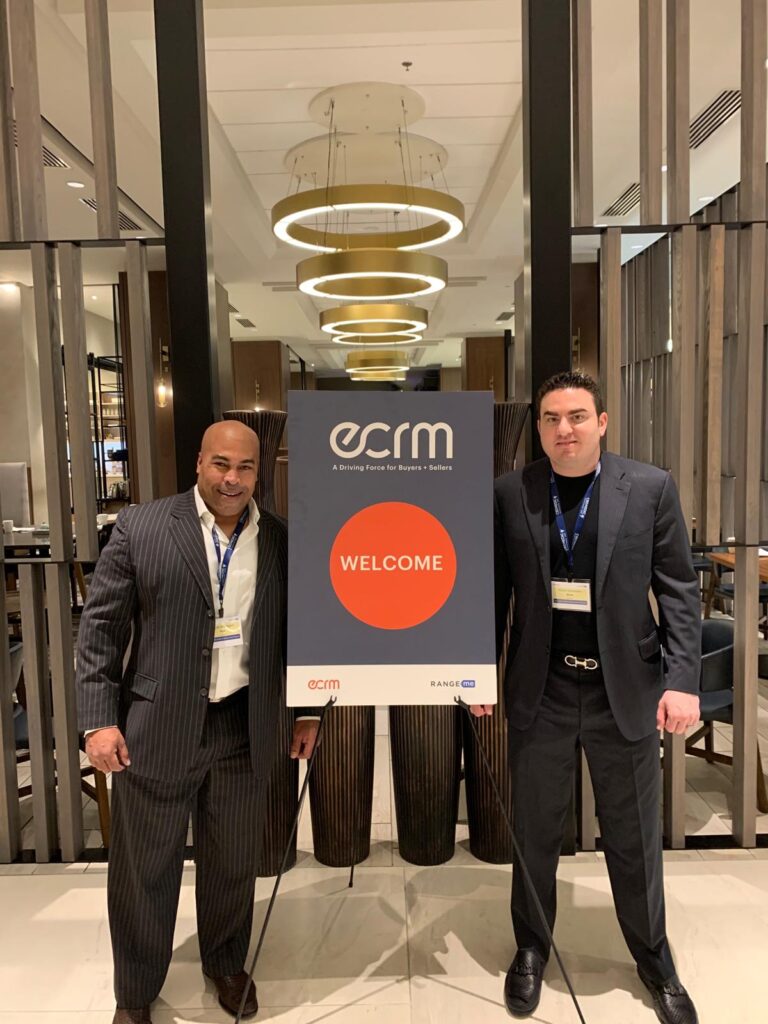
Introduction: The Operator Who Turns Retail Into a Repeatable Outcome
Brian Gould didn’t learn retail from a book, he learned it in the trenches
Brian Gould didn’t enter retail through theory or luck. He came up through real selling, where numbers, store relationships, and weekly performance decide who stays in the game. He also grew up around a family legacy connected to manufacturing and retail distribution, so the business wasn’t “new” to him, it was familiar territory. That matters because retail has its own rules: buyers want confidence, clean execution, and people who don’t freeze when pressure hits. Brian’s advantage is that he learned those rules early, long before most founders even think about retail. And over time, he built more than experience, he built a repeatable way of thinking: fix the foundation first, then scale. That mindset is the reason his story stands out in health and wellness, where trust and consistency matter just as much as the product itself.
The 1999–2002 years: high-pressure sales and learning what retailers actually respect
In 1999, at just 18, Brian stepped into a serious sales role with Reed and Associates, and it wasn’t a small learning job. His territory was Arizona, covering more than 55 stores, and he represented around 20 different brands, which meant constant movement, constant competition, and constant expectations. This is the kind of environment where you learn fast what gets attention and what gets ignored. You learn how to keep brands visible, how to stay sharp in conversations, and how to build trust in the same accounts repeatedly. If you’re thinking, “That sounds intense,” it was, and that pressure builds real instincts. It teaches you that retailers don’t care how excited you are, they care if you can show up prepared, communicate clearly, and deliver without excuses. Those years shaped his retail discipline and his ability to handle growth when it starts moving quickly.
The 2002–2008 turning point: national brand exposure and modern e-commerce scale
After relocating to Florida in 2002, Brian joined the family business full-time and became part of major retail-facing work that wasn’t limited to one region. During that time, Mitch Gould helped establish Steven Seagal Enterprises, creating products like Pure Force Energy Bars and Lightning Bolt Energy Drink, which were introduced to retailers across the country, and Brian was involved in that push. Then in 2006, Brian expanded into a new kind of scale by working with Amazon.com during the development and launch of Health & Personal Care and Sports Nutrition categories. Between 2006 and 2008, he moved at high volume, selling over 5,000 different products through roughly 250 vendors, which is the kind of workload that forces you to build systems, not just hustle. On top of that, he helped establish distribution channels for more than 30 vendors across platforms like Walmart.com, LuckyVitamin.com, and others, generating millions in revenue through structured growth. And in the same year, he joined Nutritional Products International, starting as Director of Sales, moving to Vice President of Retail Operations in 2012, and becoming President in 2017, a run that sharpened his leadership in real retail execution. After years of building revenue and scaling operations, he launched TruLife Distribution to give brands a clearer, safer path into U.S. retail. That’s why the title Brian 4th generation retail distribution specialist isn’t a catchy phrase, it’s a direct reflection of a career built on real retail pressure, real scale, and repeatable outcomes.
Brian Gould 4th generation retail distribution specialist
What “fourth-generation” really signals in buyer rooms
When you hear “fourth-generation” in retail distribution, it’s not just a fancy label. It usually means someone grew up around the real mechanics of the business, how products get placed, how retailers think, and why small mistakes can kill a deal fast. Brian Gould brings that kind of background into every conversation, which is why buyers and brands take him seriously from the start. Here’s the thing: buyer rooms don’t reward excitement, they reward confidence. They want to feel like the person across the table understands timelines, retail expectations, and what happens after the first order. That’s what this kind of experience signals. It tells people you’ve seen the pressure points before, and you know how to navigate them without panic.
The difference between having access and building outcomes
A lot of people can get a meeting. That part isn’t always the hardest. The real challenge is what happens next, turning interest into action, and action into repeatable growth. This is where Brian’s approach feels different, because he doesn’t rely on “just connections.” He focuses on the work that actually moves the needle: tightening retail readiness, improving how a brand shows up, and making sure execution doesn’t fall apart once the buyer says yes. If you’re thinking, “But isn’t distribution just logistics?” not in real retail. Real distribution is about building a path that retailers can trust. And that trust is earned through clear communication, reliable follow-through, and a plan that makes the buyer’s job easier.
Why leadership matters when brands hit the “scale pressure” moment
Most brands feel confident when things are small. The pressure shows up when growth speeds up. Suddenly, buyers want answers fast, inventory needs to move smoothly, and every detail gets judged harder than before. That’s the scale pressure moment, and it’s where leadership truly shows. Brian Gould’s style is built for that reality. He’s focused, disciplined, and execution-driven, which helps brands stay stable when opportunities start coming quickly. A simple example: a retailer shows interest, but now they want timelines, support materials, and proof the brand can keep up. If your response is slow or unclear, momentum dies. Strong leadership keeps the brand steady, keeps communication sharp, and keeps growth from turning into chaos.
TruLife Distribution: The Business Model Built Around Brand Readiness
What TruLife Distribution is designed to solve for growing brands
TruLife Distribution exists for brands that are ready to grow, but don’t want to learn retail the hard way. Because here’s the truth: even a great product can get stuck if the brand behind it isn’t “retail-ready.” That doesn’t always mean the product is bad. It usually means the basics aren’t tight yet, the messaging feels unclear, the execution plan looks shaky, or the brand can’t answer buyer questions fast. TruLife Distribution helps solve that gap by bringing structure to the behind-the-scenes work that makes growth possible. If you’re trying to move from online traction to bigger retail opportunities, this is the kind of support that keeps the process clean, professional, and scalable.
Why brands choose a partner instead of guessing their way into retail
A lot of founders try to figure retail out by trial and error. And honestly, that’s where time and money disappear. You might get a buyer meeting, but then the follow-up slows down because the brand isn’t prepared, the materials aren’t sharp, or the next steps feel messy. Retail moves fast, and buyers don’t wait around while a brand “figures it out.” That’s why brands work with TruLife Distribution. It gives them guidance, organization, and a clearer path forward when the stakes get higher. Think of it like this: you can either spend months guessing what buyers want, or you can show up with a system that helps you look confident, responsive, and ready from the start.
The TruLife approach: structure first, expansion second
TruLife Distribution doesn’t treat growth like a gamble. The focus is on building the foundation before chasing the bigger opportunities. That means making sure the brand’s positioning is clear, the rollout plan makes sense, and the execution won’t fall apart once demand increases. Let’s break it down: expansion only works when the brand can support it. If you rush into retail too early, small weak points turn into big problems fast. But when structure comes first, growth feels smoother, more predictable, and far less stressful. That’s the TruLife approach, make the brand ready, then make the market bigger.
Why Retail Buyers Say “Not Yet” Even When They Like the Product
The hidden deal-breakers: clarity, speed, consistency, and risk
Retail buyers don’t reject products just because they don’t like them. Most of the time, they pause because something feels uncertain. Here’s the thing: buyers are protecting shelf space, budgets, and timelines, so they’re trained to spot risk fast. If your packaging takes too long to understand, or your claims feel questionable, that’s an easy “not yet.” Speed matters too. If a buyer asks a simple question and your response is slow or unclear, confidence drops. And consistency is a big one, because even a great launch doesn’t matter if the brand can’t keep inventory moving smoothly. Buyers love great products, but they love predictable execution even more.
Where most brands look strong online but look weak in retail
A brand can look unstoppable online and still struggle in retail. Why? Because online success doesn’t always prove you’re ready for buyer expectations. Online, you control the customer experience. In retail, the buyer needs proof that you can support the product after placement, not just sell it once. For example, an online brand might have strong reviews and solid sales, but if the retail packaging doesn’t communicate fast, or the positioning isn’t clear in a five-second glance, the buyer gets hesitant. Retail also pressures operations harder, because restocks, logistics, and timelines become more visible. That’s why some brands feel confident walking in, then realize retail is judging a completely different skillset.
The moment opportunities quietly die (and founders don’t notice)
A lot of retail opportunities don’t “end” with a no. They fade out. And that’s what frustrates founders the most, because it feels like the buyer just disappeared. But usually, something happened in the background. The follow-up wasn’t tight. The brand materials weren’t strong. The buyer didn’t feel urgency or confidence. Here’s a realistic example: you send a pitch, the buyer replies with interest, asks for details, and then the brand takes a week to respond or sends a messy answer. That single gap can cool off the entire opportunity. Buyers move fast and they move on fast. If you’re building toward retail growth, this is an important point to understand: silence usually means uncertainty, not hatred. The goal is to remove the uncertainty before it turns into lost momentum.
The TruLife Distribution Execution Stack (What Happens Behind the Scenes)
Positioning and messaging that reads “buyer-safe”
Retail buyers don’t have time to decode a brand. They want to understand what the product is, who it’s for, and why it belongs on the shelf in seconds. That’s why TruLife Distribution focuses heavily on positioning and messaging that feels clean, clear, and buyer-safe. Here’s the thing: a product can be amazing, but if the story sounds confusing or too “salesy,” buyers get cautious fast. TruLife Distribution helps brands tighten how they explain their benefits and value so it sounds professional, realistic, and easy to trust. If you’re thinking, “Our product sells online, so our message is fine,” retail is different. In retail, the best message is the one that reduces questions, not the one that tries to impress.
Compliance, packaging confidence, and operational alignment
One of the fastest ways to slow down a retail opportunity is to look unprepared behind the scenes. Buyers notice when packaging feels unclear, claims feel risky, or the brand seems unsure about basics. TruLife Distribution supports brands by bringing confidence to those details and helping everything feel aligned before the conversation gets serious. That includes making sure packaging communicates clearly, the product story stays within safe lines, and the operational plan makes sense when questions come up. Let’s break it down: retail buyers aren’t just judging the product, they’re judging whether you’ll be an easy partner to work with. When your packaging and execution plan feel organized, you don’t just look ready, you feel reliable.
Launch support that keeps the product from stalling after the first order
Getting a first purchase order feels like the win, but the real test starts right after that. Many brands lose momentum because they don’t have a smooth plan for restocks, communication, and support once the product is live. TruLife Distribution helps prevent that by supporting the brand through the launch phase, not just the pitch phase. For example, if a retailer needs updates, follow-up materials, or quick answers about inventory timing, those details can’t be delayed. A single slow response can cool off the relationship. The goal is simple: keep the rollout steady, protect buyer confidence, and make sure the product doesn’t stall after the first “yes.” That’s the behind-the-scenes work that turns placement into long-term shelf presence.
Real-World Outcomes: How TruLife Distribution Protects Momentum
Scenario A: Interest is real, but the brand isn’t presentation-ready
This happens more than most founders expect. A buyer shows interest, the product seems like a fit, and the opportunity feels close, but the brand’s presentation doesn’t hold up under real retail attention. Maybe the messaging is too broad. Maybe the packaging doesn’t explain the benefit fast enough. Or maybe the sales materials look rushed, so the buyer can’t confidently share it with their team. Here’s the thing: retail buyers don’t only buy products, they buy clarity. TruLife Distribution helps brands tighten how they present themselves so the offer feels sharp, confident, and easy to say yes to. If you’re thinking, “We’ll fix that later,” retail usually doesn’t give you “later.” You either show up ready, or the moment fades.
Scenario B: The buyer wants proof the brand can restock cleanly
Buyers don’t just want a first shipment, they want stability. Even if they love the product, they’ll hesitate if they’re unsure you can support demand after launch. That’s why restock confidence matters so much. A buyer may ask simple questions like, “How fast can you replenish?” or “What happens if this sells quicker than expected?” If the brand’s answers feel uncertain, the buyer slows down. TruLife Distribution helps brands think through the operational side so restocking isn’t a guess, it’s a plan. This makes a huge difference because buyers feel safer when they know they won’t be stuck with empty shelves, delayed deliveries, or unpredictable supply issues. Momentum stays alive when the brand looks prepared for success, not surprised by it.
Scenario C: The product launches, but the system behind it breaks
Here’s a hard truth: many brands lose retail momentum after they finally “get in.” The launch happens, the first orders ship, and then the problems start. Inventory gets messy. Communication slows down. The brand can’t keep up with updates, questions, or follow-through. And once that happens, the buyer’s trust drops quickly. TruLife Distribution helps protect brands during this phase because retail success isn’t just about placement, it’s about staying power. For example, if a retailer asks for a quick update on timing or support materials and the brand goes silent for days, the relationship cools off. The goal is to keep execution steady after launch, so the product doesn’t stall right when it should be growing. That’s how TruLife Distribution helps turn retail momentum into long-term shelf presence.
Conclusion: The Advantage Isn’t Noise, It’s Execution That Holds Up
Retail growth isn’t won by the brand that talks the loudest. It’s won by the brand that shows up prepared, stays organized, and can handle pressure when things start moving fast. If you’re trying to grow in the U.S. market, this is the part you can’t skip. Readiness has to be built early, before the buyer meeting, before the first order, and definitely before the demand spike. Because once momentum starts, retail doesn’t slow down so you can “catch up.”
That’s the mindset Brian Gould brings to the table. He understands retail like an operator, not a cheerleader, and that’s why his approach is rooted in structure, discipline, and long-term trust. TruLife Distribution exists for one clear reason: to help brands avoid guesswork and build the kind of foundation that retailers feel confident supporting. It’s not about chasing quick placement, it’s about building a system that holds up after placement.
So if you’ve been thinking, “We have a strong product, now we just need retail,” here’s the real answer: you need readiness first. When the foundation is real, growth becomes repeatable. And that’s exactly what the Brian 4th generation retail distribution specialist mindset is all about.
