

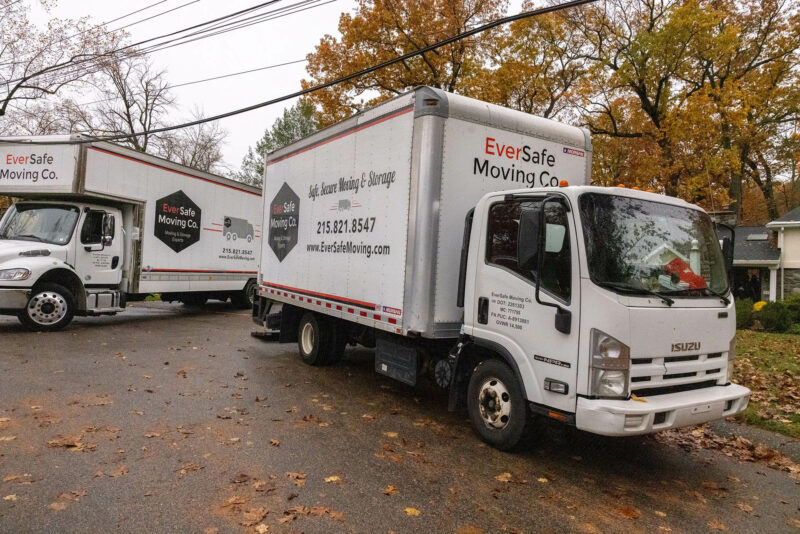
Most people expect moving to be tiring. What catches them off guard is the mental clutter that comes with it. The missed utility appointments. The misplaced paperwork. The couch that suddenly doesn’t fit through the doorway after a six-hour moving day. Relocation has a way of creating small problems that pile up fast, and usually all at once.
That is the exact reason why many individuals prefer to use South Jersey & Philadelphia Movers instead of doing it all on their own. The moving business is not just about helping people move their furniture. Sometimes, the real value of moving businesses comes in behind the scenes by making sure everything works out well without the madness of anything else going wrong.
And honestly, that hidden support matters more than most people realize until they’re deep into the process.
Moving Chaos Usually Starts Before Moving Day
People tend to picture relocation as a one-day event. In reality, the stress starts weeks earlier.
Schedules begin overlapping. Lease dates shift. Packing drags longer than expected. Families still have jobs, school pickups, pets, and deadlines. Life doesn’t pause because someone’s moving.
One subtle industry truth: The most stressful relocations usually aren’t caused by major disasters. They come from dozens of tiny, unmanaged details. Professional movers help create structure around that uncertainty.
Companies often deal with:
- Tight urban parking situations
- Apartment access restrictions
- Older homes with narrow staircases
- Multi-stop relocations
- Last-minute schedule adjustments
Experience in those situations changes everything. A seasoned moving crew anticipates problems before customers even notice them developing.
Packing Is More Strategic Than People Think
Packing seems simple until fragile items start breaking or boxes become impossible to unpack logically later. A lot of DIY movers pack based on urgency instead of organization. They throw unrelated items together just to “get it done.” Then they arrive at the new place exhausted and surrounded by confusion.
Professional movers approach packing differently.
| DIY Packing Habit | Professional Approach |
| Random box labeling | Room-by-room organization |
| Overpacked heavy boxes | Balanced weight distribution |
| Minimal fragile protection | Layered protective materials |
| Last-minute packing | Planned sequencing |
| Disorganized loading | Inventory-focused handling |
That structure speeds up unpacking later, too. And after a move, energy becomes a limited resource surprisingly fast.
Professional Movers Reduce Decision Fatigue
Moving forces people into nonstop decision-making:
- What stays?
- What gets donated?
- Which utilities transfer first?
- How should furniture be arranged?
- Which boxes need immediate access?
After several days, even organized people start making rushed choices just to move things along. Professional movers reduce that cognitive load.
Reliable teams already know how to:
- Protect delicate furniture
- Navigate difficult entryways
- Load trucks efficiently
- Manage timelines realistically
- Handle bulky or specialty items safely
That operational confidence has a calming effect that people don’t always expect. A family managing a local move while balancing work schedules and childcare doesn’t just need manpower. They need fewer things to worry about.
The Real Cost of DIY Moving Isn’t Always Financial
At first glance, a DIY move can look cheaper. Then hidden costs start surfacing:
- Truck rentals
- Fuel
- Equipment purchases
- Missed workdays
- Physical injuries
- Damaged belongings
- Emergency storage fees
And there’s another cost people rarely calculate properly, which is recovery time.
The pattern is common enough to be predictable. A weekend spent moving solo, a Monday return to work completely drained, and a week of scattered focus that nobody planned for. That exhaustion rarely stays physical — it bleeds into productivity, disrupts sleep, and slows the mental adjustment to a new environment in ways that add up quietly.
Professional moving services compress the disruption period. Instead of dragging relocation stress across several weeks, they help create a cleaner transition. For busy professionals, families, seniors, or business owners, that time savings becomes valuable very quickly.
Why Local Experience Matters
Not all moves are straightforward suburban relocations. There are also some special considerations about moving in Philadelphia neighborhoods that out-of-town movers tend to overlook:
- Narrow rowhome staircases
- Limited street parking
- Tight loading zones
- Building move-in regulations
- Older infrastructure
The same goes for parts of South Jersey where longer driveway access, shore-area traffic, or seasonal moving demand can complicate scheduling.
That is the reason why using South Jersey & Philadelphia Movers, who understand the entire process, makes it much easier. Good movers don’t just react well under pressure. They prepare for pressure ahead of time. And customers notice the difference almost immediately.
What People Should Look for Before Hiring Movers
Not all moving companies operate at the same standard, even if their quotes look similar online. It’s quite easy to tell whether a moving company is reliable by looking for certain clues at the beginning of the process:
- Clear communication
- Transparent estimates
- Licensed and insured operations
- Strong local reputation
- Organized scheduling systems
- Professional handling procedures
Companies like Sinclair Moving position themselves around reliability and customer trust rather than simply competing on the lowest price. That distinction matters because most people hiring movers aren’t just buying transportation.
They’re buying predictability. And during relocation, predictability feels incredibly valuable.
A Smooth Move Feels Smaller Than It Really Is
Funny enough, the best relocations often feel uneventful. No major delays. No broken furniture. No frantic searching for important documents at midnight. Things simply move forward the way they’re supposed to.
That doesn’t happen accidentally. Movers devise procedures concerning time management, organizing, packing, and coordinating that discreetly neutralize many potential sources of stress even before they become an issue.
In the final analysis, what tends to stick in people’s minds is not necessarily the truck or boxes. What’s important is whether the move enabled them to adjust to the new chapter of life without becoming completely overwhelmed by it.
