

Vacuum suction works by creating a seal against the skin and drawing the tissue upward into a cup or handpiece. This action produces several physiological effects.
The first effect is mechanical stimulation. The suction stretches the skin and the connective tissue beneath it. This helps to break up fibrous bands that cause cellulite and stimulates fibroblasts to produce collagen and elastin.
The second effect is improved circulation. The negative pressure draws blood into the treated area, delivering oxygen and nutrients while removing metabolic waste. This can improve skin tone and accelerate healing.
The third effect is lymphatic drainage. The suction helps move lymph fluid through the lymphatic vessels, reducing puffiness and promoting the elimination of toxins and excess fluid.
The fourth effect is deep cleansing. When used with a specialized tip, the vacuum suction can extract debris from pores, removing blackheads and excess oil.
The Different Types of Vacuum Suction Devices
Vacuum suction devices are available in several configurations, each suited to different applications and markets.
Facial vacuum suction devices are designed for delicate use on the face and neck. They typically have smaller handpieces and gentler suction levels. They are used for lymphatic drainage, deep cleansing, and improving skin tone.
Body vacuum suction devices are designed for larger areas such as the abdomen, thighs, buttocks, and arms. They have larger handpieces and stronger suction levels. They are used for cellulite reduction, body contouring, and lymphatic drainage.
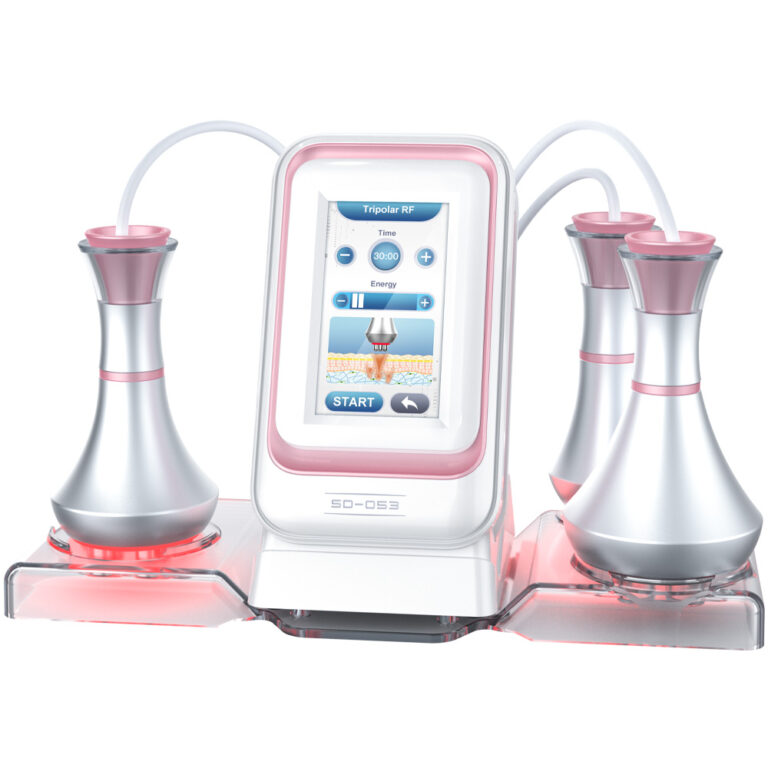
Combination devices integrate vacuum suction with other technologies, such as radio frequency, ultrasonic cavitation, or LED light therapy. These multifunctional platforms allow practitioners to address multiple concerns in a single session.
Home-use vacuum suction devices are designed for consumer use. They are smaller, less powerful, and simpler to operate. They typically have safety features that prevent excessive suction and are designed for gentle, gradual improvement.
Key Specifications to Understand
When evaluating a beauty equipment vacuum suction device, several specifications determine its capabilities and intended use.
Suction power is the most important specification. It is measured in kilopascals or millimeters of mercury. Professional devices typically range from minus 60 to minus 80 kilopascals or higher. Home devices usually operate at lower levels, often minus 20 to minus 50 kilopascals.
Number of suction levels determines the degree of control. Professional devices offer multiple adjustable levels to suit different treatment areas and client tolerances. Home devices may offer fewer levels.
Handpiece size and shape affect the treatment area and the type of application. Smaller handpieces are used for facial treatments and precise work. Larger handpieces cover more area and are used for body treatments. Some devices come with interchangeable heads for different purposes.
Material and construction affect durability and hygiene. Handpieces should be made from materials that are easy to clean and disinfect. Stainless steel and medical-grade plastics are common choices.
Noise level affects the treatment experience. Professional devices are typically quieter than budget home devices.
What the Treatment Involves
A vacuum suction treatment follows a structured protocol designed to maximize results and ensure client comfort.
The treatment area is cleaned and prepared. A conductive gel or massage oil is applied to allow the handpiece to glide smoothly and to protect the skin.
The practitioner selects the appropriate handpiece and adjusts the suction level. The handpiece is moved slowly over the treatment area in a consistent pattern, typically in the direction of lymphatic flow.
The duration of treatment depends on the area being treated. Facial treatments may last 15 to 20 minutes. Body treatments may last 30 to 45 minutes.
After treatment, the skin may appear slightly red or flushed. This is normal and typically subsides within a few hours. Clients are advised to drink water to help flush the released toxins and to avoid strenuous activity for a short period.
What to Consider Before Buying
The selection of a beauty equipment vacuum suction device requires careful evaluation of several factors.
The first factor is the intended use. A clinic or spa may need a professional-grade device with multiple handpieces and adjustable suction levels. A home user may prefer a simpler, more affordable device with safety features designed for self-treatment.
The second factor is safety. The device should have adjustable suction levels, automatic shutoff, and clear operating instructions. It should be constructed from materials that are easy to clean and disinfect. If the device makes medical claims, it should be cleared by the appropriate regulatory agency.
The third factor is quality and durability. The device should be built to withstand regular use. Handpieces should fit securely and not leak. The motor should be powerful enough to maintain consistent suction.
The fourth factor is support and warranty. A reputable supplier should offer technical support, training resources, and a warranty that covers parts and service.
The fifth factor is budget. Professional-grade devices range from a few hundred dollars to several thousand dollars. The investment should be balanced against the expected use and the revenue the device will generate.
The Benefits of Vacuum Suction
Vacuum suction offers several benefits over other treatment modalities.
The first benefit is that it is non-invasive. There are no incisions, no needles, and no downtime. Clients can return to their normal activities immediately.
The second benefit is that it is versatile. The same device can be used for facial treatments, body treatments, and lymphatic drainage with the appropriate handpieces.
The third benefit is that it is safe when used correctly. The technology has been used in clinical settings for decades and has a good safety record.
The fourth benefit is that it is relaxing. Many clients find the treatment pleasant and compare it to a massage.
The fifth benefit is that it can be combined with other treatments. Vacuum suction is often used in conjunction with radio frequency, ultrasonic cavitation, or LED therapy to enhance results.
The Limitations of Vacuum Suction
Vacuum suction is not a miracle cure. It has limitations that should be understood.
The first limitation is that results are gradual. Multiple sessions are required to achieve noticeable improvement.
The second limitation is that results are not permanent. Maintenance sessions are recommended to sustain the results.
The third limitation is that it is not suitable for everyone. People with certain medical conditions, such as thrombosis, severe varicose veins, or skin infections, should not use vacuum suction.
The fourth limitation is that results vary. Individual results depend on factors such as age, skin condition, lifestyle, and the number of sessions completed.
The Bottom Line
A beauty equipment vacuum suction device is a versatile tool that uses negative pressure to lift, stretch, and manipulate the skin and underlying tissue. It is used for lymphatic drainage, cellulite reduction, skin tightening, and deep cleansing. For professionals, it is a valuable addition to a treatment menu. For home users, it offers a convenient way to maintain skin health between professional treatments. Understanding the technology, specifications, and practical considerations will help you determine whether this type of device is the right fit for your needs.
