

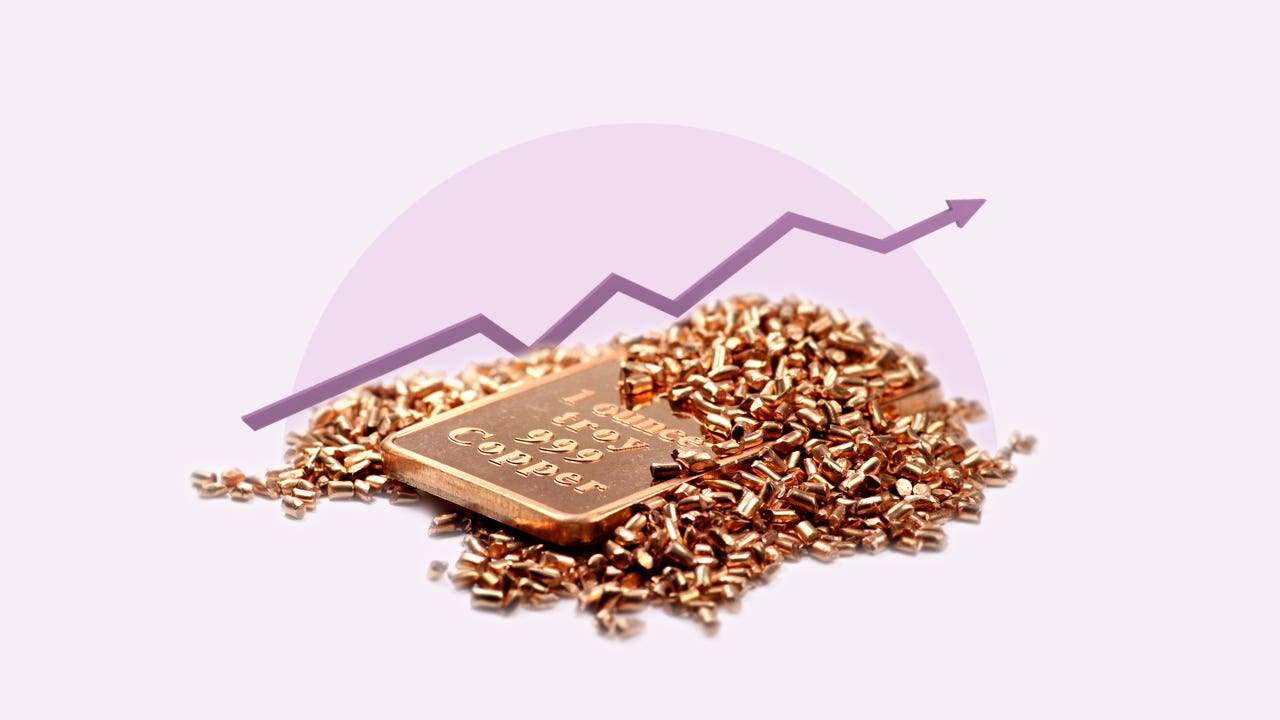
You likely already notice copper showing up in headlines about electrification, AI data centers, and infrastructure — and for good reason. If you want exposure to a commodity that links industrial demand, clean-energy transition, and long-term supply constraints, copper investing can play a clear role in your portfolio. This article shows how market drivers move copper prices and how you might add copper through stocks, ETFs, futures, or physical holdings.
You’ll get a concise view of the fundamentals that matter — demand from renewables and electronics, supply risks at mines and refineries, and macro forces — then practical strategies and risk trade-offs to help you decide where copper fits in your asset allocation.
Fundamental Market Drivers
Copper’s price moves reflect a tight balance between constrained supply, surging demand from electrification and construction, and rising influence from major consuming countries. These forces combine to shape short-term volatility and long-term price trends you need to watch.
Global Supply and Demand Dynamics
Mine production growth has been limited relative to projected demand from electrification and grid expansion. New large-scale mines face long lead times and rising capital costs, so much of near-term supply relies on brownfield expansions and output from established producers.
Stock levels in LME and SHFE warehouses and refined cathode premiums signal short-term tightness. You should track inventory releases, treatment and refining charges, and regional premiums for indications of stress or relief in markets.
Political risk in key producing countries—Chile, Peru, and Congo—adds volatility. Labor strikes, permitting delays, and policy shifts can cut output quickly, pushing prices higher. Keep an eye on project timelines and national export policies.
Industrial and Technological Applications
Copper demand is driven by three concentrated application areas: power generation and transmission, electric vehicles and charging infrastructure, and construction wiring and plumbing. Each EV typically uses several tens of kilograms of copper, so EV adoption rates materially alter demand trajectories.
Grid upgrades for renewables and electrified heating increase conductors and transformer requirements. You should monitor utility capex plans, renewable build-out targets, and government incentives that accelerate electrification.
Efficiency gains and recycling blunt some demand growth, but recycled copper supply alone will not match projected incremental demand over the next decade. Technology shifts that substitute copper are limited in scale and often add cost or performance trade-offs.
Role of Emerging Markets
China remains the single largest copper consumer; its infrastructure spending, property activity, and industrial PMIs provide early signals for global copper demand. You should follow Chinese import volumes, port inventories, and state stimulus measures for rapid insight into demand shifts.
Other emerging markets—India, Southeast Asia, and parts of Africa—are increasing consumption through urbanization and electrification projects. Electrified public transit and household electrification programs in these regions will raise per-capita copper use.
Trade patterns and regional premiums evolve as deglobalization and supply-chain diversification push buyers to secure nearby sources. Watch regional stock flows and freight dynamics for signs of structural demand redistribution.
Strategies and Risks in Asset Allocation
You will balance choices between holding physical metal and using financial instruments, allocate copper exposure across core and satellite positions, and apply risk controls for price swings, supply disruptions, and policy shifts.
Physical Copper vs. Financial Instruments
Physical copper gives you direct ownership and a potential inflation hedge, but it demands secure storage, insurance, and logistics. Buying cathodes, wire, or copper bars ties up capital and incurs storage costs typically expressed as a percentage of value annually.
Financial instruments include ETFs, futures, options, and mining equities. ETFs offer liquid, low-friction exposure with management fees and tracking error. Futures and options provide precise price exposure and leverage, but require margin, rollover management, and familiarity with contango/backwardation. Mining stocks add operational and corporate risks—management, grades, capex—and can amplify returns or losses relative to metal prices.
Match instrument choice to your horizon and operational capacity. Use physical copper if you need tangible hedge and can manage custody. Use ETFs and equities for easier portfolio integration. Use futures/options only if you can meet margin calls and implement disciplined risk limits.
Portfolio Diversification Benefits
Copper exposure can diversify a commodity sleeve within a broader portfolio, because copper often responds to industrial demand drivers distinct from equities and bonds. You gain cyclical upside during manufacturing, construction, and electrification booms.
Allocate using a core-satellite approach: 50–60% of copper exposure in large, diversified producers or ETFs for stability; 20–30% in growth-oriented juniors or project-specific plays; remainder in short-duration futures or options for tactical positioning. This balances steady cash-generation and growth potential.
Size your copper allocation relative to your goals and risk tolerance. For example, long-term investors focused on electrification might allocate 2–5% of total portfolio to copper-related assets, while traders might concentrate positions in futures with strict stop-loss rules.
Market Volatility and Risk Management
Copper markets react to demand shocks, supply disruptions, exchange inventory moves, and macro variables like interest rates and the dollar. Expect price swings from mine strikes, geopolitical events in producer countries, and changes in global manufacturing PMI readings.
Manage volatility with position sizing, stop-losses, and option collars to cap downside while retaining upside. Monitor real-time inventory data (e.g., exchange stocks), freight and concentrate treatment charges, and permit/capex news from major projects. Stress-test your allocation under scenarios: prolonged demand slowdown, sudden supply shortfall, and sharp rate hikes.
Hedge tactically: use short-dated futures for timing trades, and longer-dated swaps to lock prices for mining exposure or contract commitments. Keep margin buffers and liquidity reserves to avoid forced liquidation in stressed markets.
