

Wearing a white coat and dedicating one’s life to healing others is every aspiring medical student’s dream. From the path that leads to this commitment in India, one of the most competitive exams is NEET UG. When several thousand students are struggling to get seats in medical colleges through the exam, understanding the process for NEET UG counseling is equally important for success. On the other hand, while future doctors get ready for their careers, it’s similarly important to be aware of real-life health issues, such as Kwashiorkor symptoms which happens to be a severe form of malnutrition still affecting a number of regions around the world.
In this article, a pathway to becoming a medical student through NEET UG counseling is described, as is medical understanding regarding symptoms of Kwashiorkor. Both reflect important features of healthcare at their very core: education and empathy.
Understanding NEET UG Counselling: A Roadmap to Your Medical Dream
Following the declaration of the results of NEET UG, aspirants then wait for the next crucial round, which is counselling. Candidates will be given admission to MBBS, BDS, and other allied medical courses in India through this process. Counselling will be done to carry out admissions in a completely transparent manner based on merit.
- What is NEET UG Counselling?
NEET UG conducts a counseling process that is the formally approved admissions procedure to various medical and dental colleges that the qualified candidates could aspire for. It will start offering both the central and state-level counseling.
- Central Counselling: This is done through all the Medical Counselling Committee, MCC for 15% of All India Quota seats, deemed universities, central universities.
- State Counselling: This is conducted for the 85% of the state quota seats in government as well as private medical colleges by respective State Counselling Authorities.
- Suitability for Counselling
Candidates seeking admission to the NEET UG counseling have to:
- Qualify for the NEET-UG with a minimum required percentile for respective categories.
- Be registered with MCC or state authority for the counselling process.
- The candidate must have with them all documents relevant for admission, such as the scorecard for NEET, admit card, class 10 &12 certificates, domicile certificate, proof of identity, etc.
- Step-by-Step NEET UG Counselling Process
Step 1: Registration
The candidate should register themselves with the official website of MCC or state authority with the help of the NEET roll number and rank, personal information, and online fee payment.
Step 2: Filling Choices & Locking
Applicants are required to fill the college and course choice, keeping in view their rank and eligibility. The filled choices have to be locked before the deadline to confirm the preference.
Step 3: Seat Allotment
A seat is allotted automatically which is based on the candidate’s NEET rank, preference, and seat availability. The result of each round is uploaded online in the form of a list, known as a seat allotment list.
Step 4: Reporting and the verification of documents
It is the responsibility of candidate to report to the allotted college for seat allotment within the specified period of time, where verification of documents and admission will take place. If a candidate fails to do so, then their seat will be canceled.
Step 5: Further Rounds
The student who does not get his/her desired college in the first round can take part in the second, mop-up round and stray vacancy round for better opportunities.
- Important Tips for NEET UG Counselling
- College Research: Past cut-offs, reputation of college, location, and fees.
- Keep yourself updated: Regularly check official websites for the counselling schedule and dates.
- Keep Documents Ready: All the required certificates and ID proofs must be valid and updated.
- Be Realistic: Choose your colleges falling in your rank and category to increase seat allotment.
Counseling for NEET UG is a career turning point for every medical aspirant. This acts as a bridge between hard work and the dream of being a doctor.
Kwashiorkor: Recognizing the Symptoms of Protein Deficiency
While aspirants prepare for entry into the healthcare world, diseases due to malnutrition should be understood. One of the severe conditions caused by protein deficiency is Kwashiorkor; this usually affects children in developing regions. It shows how nutrition is basically linked with human health.
- What is Kwashiorkor?
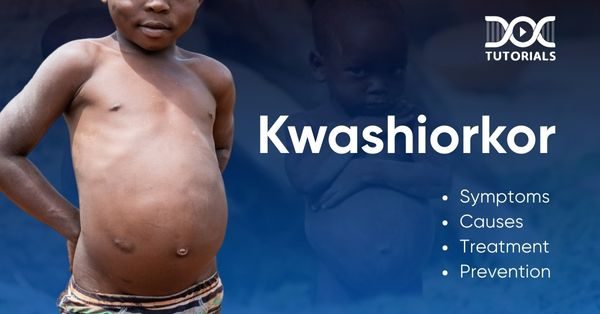
Kwashiorkor is a severe form of protein-energy malnutrition that targets mostly children between the ages of 1 to 5 years and is common in countries where the staple diet consists mainly of carbohydrates with very low protein value, such as maize, cassava, or rice.
The term Kwashiorkor is a Ghanaian word meaning “the sickness the baby gets when the new baby comes”, and indicates how the older child may suffer when they are weaned off protein-rich milk after the birth of a sibling.
- Causes of Kwashiorkor
The main cause is poor intake of protein even though the overall calorie intake might be sufficient. Other causes contributing to this include :
- Poverty and a lack of access to healthy, balanced diets.
- Early weaning and inappropriate feeding practices.
- Infections with the increase in nutritional demand.
- Poor nutrition education among the caregivers.
- Major Symptoms of Kwashiorkor
Early symptoms can save lives. Symptoms of a bleeding disorder may include:
- The edema is a classic symptom as a result of fluid build-up, especially in the feet, legs, and face.
- Distended Abdomen: It is basically swollen due to the fluid buildup and enlargement of the liver.
- Stunted Growth: The children fail to grow or gain weight as anticipated. Skin and Hair Changes: The skin is dry, flaky, with depigmentation. Hair becomes thin, brittle, and may lose its color, ”flag sign”.
- Fatigue and irritability: The child becomes weak, tired, and less active.
- Anorexia: Loss of appetite, or the inability to swallow food. Weakened immunity-increased susceptibility to infections such as pneumonia, diarrhea, and measles.
Conclusion:
Whether it is the aspiring medicos taking part in the NEET UG counselling or learning about fatal conditions like Kwashiorkor, everything points toward the same aspects-a call for medical education and a compassionate heart. Counselling opens the door to a career that can save lives, whereas the awareness of diseases like Kwashiorkor reminds us of the responsibility that comes along-seeing that no child has to suffer due to malnutrition, which can easily be prevented.
